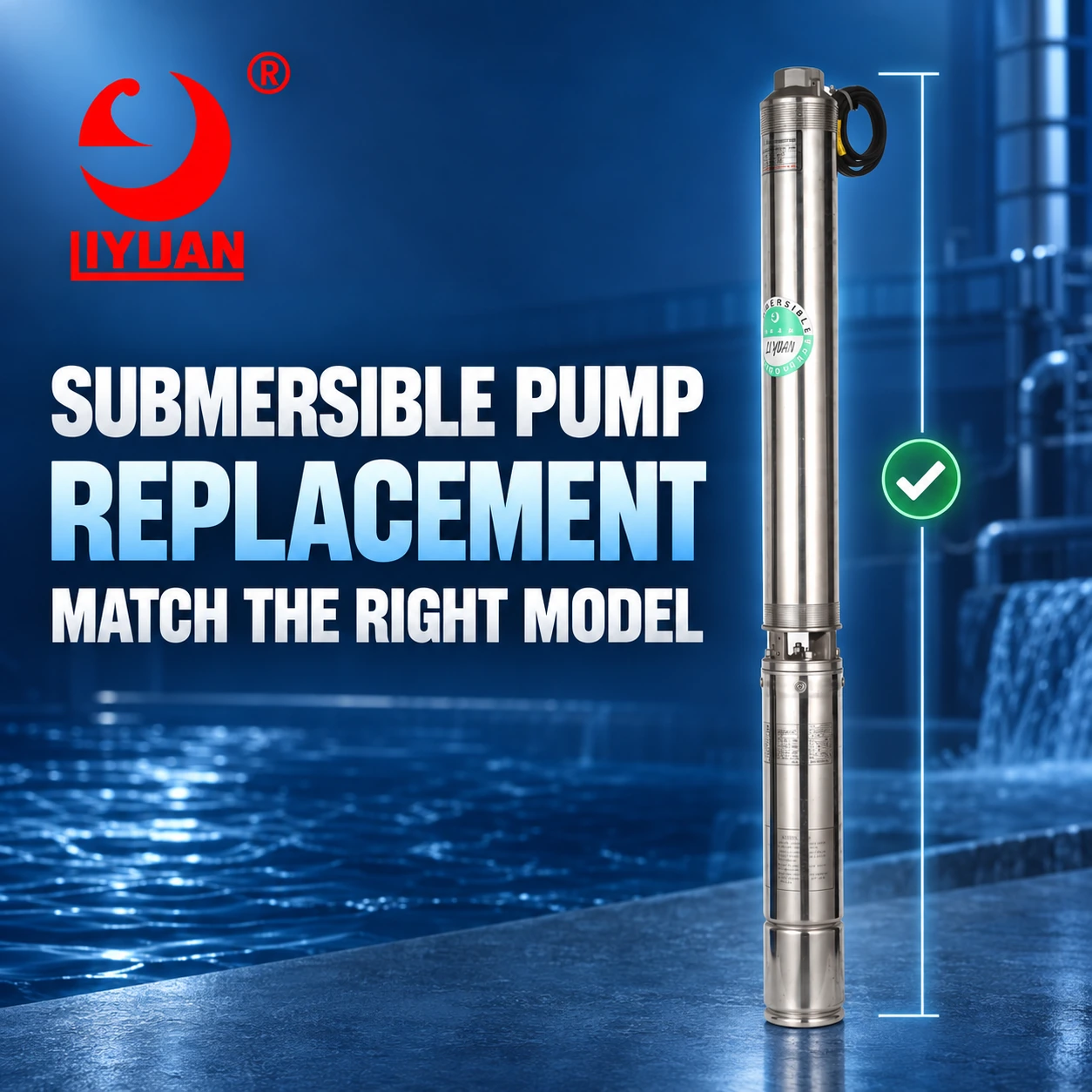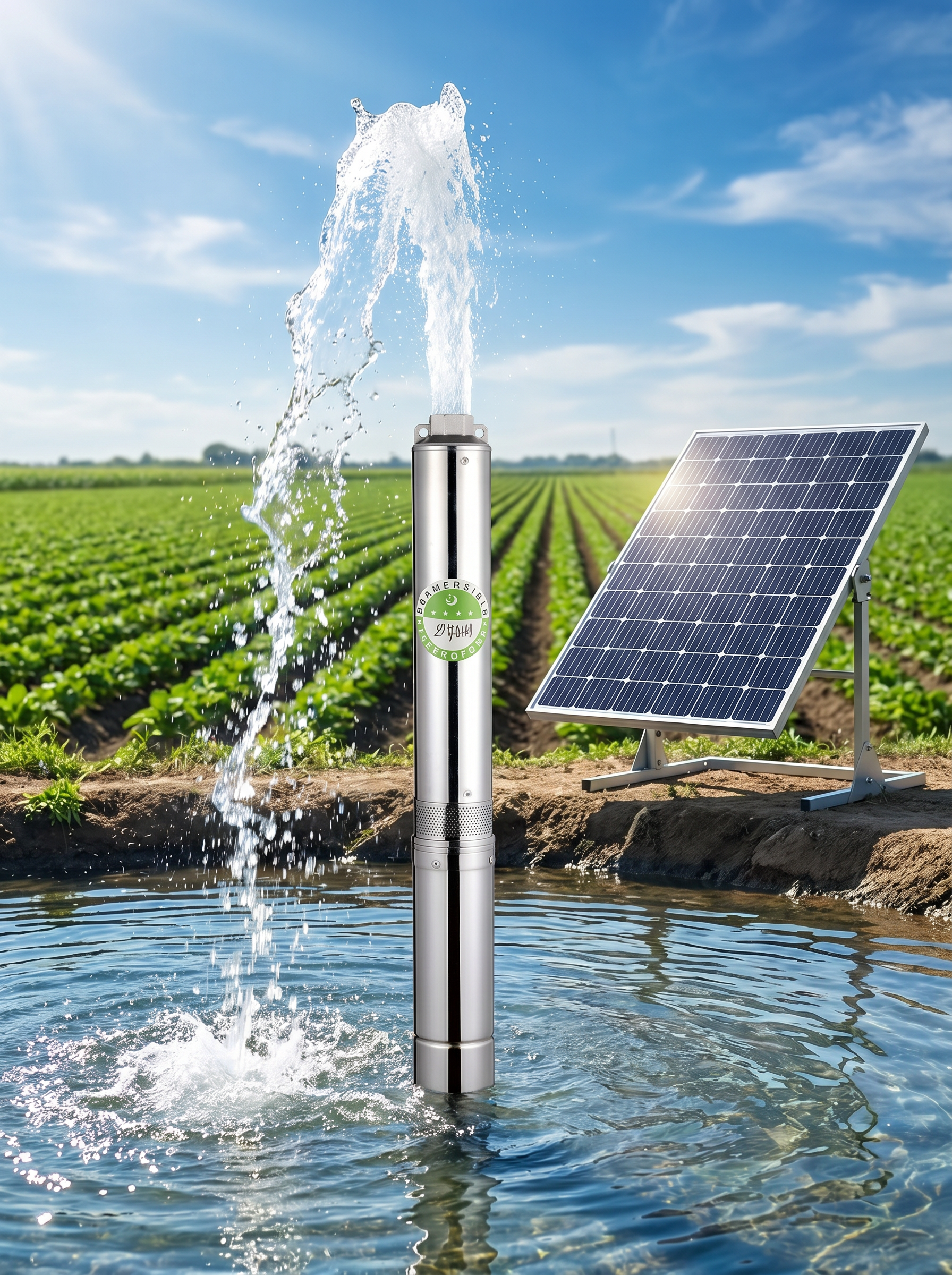
A Solar Energy Pump uses sunlight to move water for homes, farms, ponds, gardens, livestock, and remote water systems. It connects solar power with efficient pump technology, so users can reduce grid dependence and lower long-term operating costs. For many off-grid sites, rural wells, and agricultural projects, a solar pumping system offers a practical way to deliver water where traditional electricity is limited or expensive.
What Is A Solar Energy Pump?
A Solar Energy Pump is a water pump powered by solar panels. The panels collect sunlight and convert it into electricity. Then, the power runs the pump motor and moves water from a well, pond, tank, stream, or borehole.
Many systems use a Solar Pump Controller to manage voltage, protect the motor, and improve performance during changing sunlight. Some systems also include batteries, but many solar pumps work directly from solar panels during the day.
Common types include DC Solar Water Pump, Solar Submersible Pump, Solar Surface Pump, Deep Well Solar Pump, and Solar Borehole Pump.
How Does A Solar Energy Pump Work?
A solar pumping system starts with photovoltaic panels. These panels generate electricity when sunlight hits them. The controller sends stable power to the pump. Then, the pump pushes or lifts water to the required location.
For example, a Solar Powered Well Pump can lift groundwater from a deep well into a storage tank. A Solar Water Pump For Pond can circulate pond water, support aeration, or create a small fountain. A Water Pump With Solar Power can also support garden irrigation, livestock watering, and remote water transfer.
Because sunlight changes during the day, water flow may also change. However, a well-sized system can still provide reliable daily water output.
Main Applications Of Solar Energy Pumps
Solar Powered Well Pump For Deep Wells
A Solar Powered Well Pump is a strong choice for rural homes, farms, cabins, and off-grid water supply systems. It can lift water from underground sources without relying on grid electricity.
For deep wells, users often choose a Solar Submersible Well Pump because it works inside the water. This design improves lifting performance and helps maintain steady operation. It is also useful for boreholes, agricultural wells, and groundwater extraction.
Solar Water Pump For Irrigation
A Solar Water Pump can support crop irrigation, greenhouse watering, orchard irrigation, and farmland water transfer. Farmers often use solar pumping to reduce fuel costs and improve water access in remote areas.
A Solar Irrigation Pump works especially well in sunny locations. It can move water during peak daylight hours, which often matches crop watering needs. For larger farms, a high-flow solar pump can connect with drip irrigation or sprinkler systems.
Solar Water Pumps For Ponds
Solar Water Pumps For Ponds help circulate water in decorative ponds, fish ponds, and garden water features. They can improve water movement, reduce stagnant areas, and support a healthier pond environment.
A Solar Water Pump For Pond is also popular for small fountains, landscape ponds, and backyard water circulation. It offers a clean and simple solution without long electrical wiring.
Water Pump With Solar Power For Remote Areas
A Water Pump With Solar Power is useful for locations without stable electricity. It can serve ranches, mountain homes, construction sites, livestock farms, and remote water storage systems.
For areas with high sunlight, solar pumping can reduce dependence on diesel generators. It also lowers noise and maintenance compared with fuel-powered pumping.
Benefits Of Using A Solar Energy Pumps
A Solar Energy Pump offers several practical benefits for long-term water use.
First, it reduces electricity costs because it uses sunlight as the power source. Second, it supports off-grid water pumping where grid power is not available. Third, it requires less fuel and produces lower operating noise than gasoline or diesel pumps.
In addition, many solar pump systems have simple structures. With the right pump size, panel capacity, and controller, users can build a stable Solar Powered Water Pump System for daily water supply.
How To Choose The Right Solar Energy Pump
Choosing the right pump depends on water source, lift height, flow demand, and sunlight conditions.
For wells and boreholes, check the well depth, water level, pipe diameter, and required daily water volume. A Deep Well Solar Pump or Solar Borehole Pump may be better for high-lift applications.
For ponds, check the pond size, flow rate, fountain height, and circulation needs. A Solar Water Pump For Pond should match both the water volume and the desired water feature.
For farms, calculate irrigation area, crop water demand, pipe distance, and pressure requirements. A Solar Irrigation Water Pump should provide enough flow during available sunlight hours.
Important selection factors include:
- Pump Type
- Flow Rate
- Total Head
- Solar Panel Power
- Motor Voltage
- Controller Quality
- Cable Length
- Water Quality
- Installation Depth
- Daily Water Demand
Solar Energy Pumps Vs Traditional Electric Pump
A traditional electric pump depends on grid power. This works well in areas with stable electricity. However, it may create high operating costs in long-term irrigation or deep well pumping.
A Solar Energy Pump uses renewable power. It is more suitable for remote wells, farms, ponds, and off-grid water systems. Although the initial setup may cost more, the long-term energy savings can make it a valuable investment.
For users who need continuous night operation, a storage tank or battery system may be added. In many cases, a water tank is more cost-effective than batteries because it stores water instead of electricity.
Maintenance Tips For Solar Energy Pumps
Regular maintenance helps protect the pump and improve service life. Clean the solar panels when dust or dirt reduces sunlight absorption. Check cable connections, controller status, pipe fittings, and water flow.
For a Solar Submersible Pump, users should also check water level and avoid dry running. For pond pumps, clean filters and remove leaves, algae, or debris around the inlet.
Good maintenance keeps the Solar Water Pump System efficient and reliable.
Conclusion
A Solar Energy Pump is a practical solution for wells, ponds, irrigation, livestock watering, and remote water supply. Whether users need a Solar Powered Well Pump, Solar Water Pump, Solar Water Pumps For Ponds, Solar Water Pump For Pond, or Water Pump With Solar Power, the right system can reduce energy costs and improve water access.
For farms, homes, gardens, and off-grid projects, solar pumping offers clean power, flexible installation, and dependable long-term performance.
 Request Finish Swatches & Project Pricing
 Request Finish Swatches & Project Pricing
 For export quotations, bulk orders, or project cooperation, Get in Touch with our sales team.
Email:Liyuan@liyuan-pump.com
WhatsApp:+86 181-2828-2767