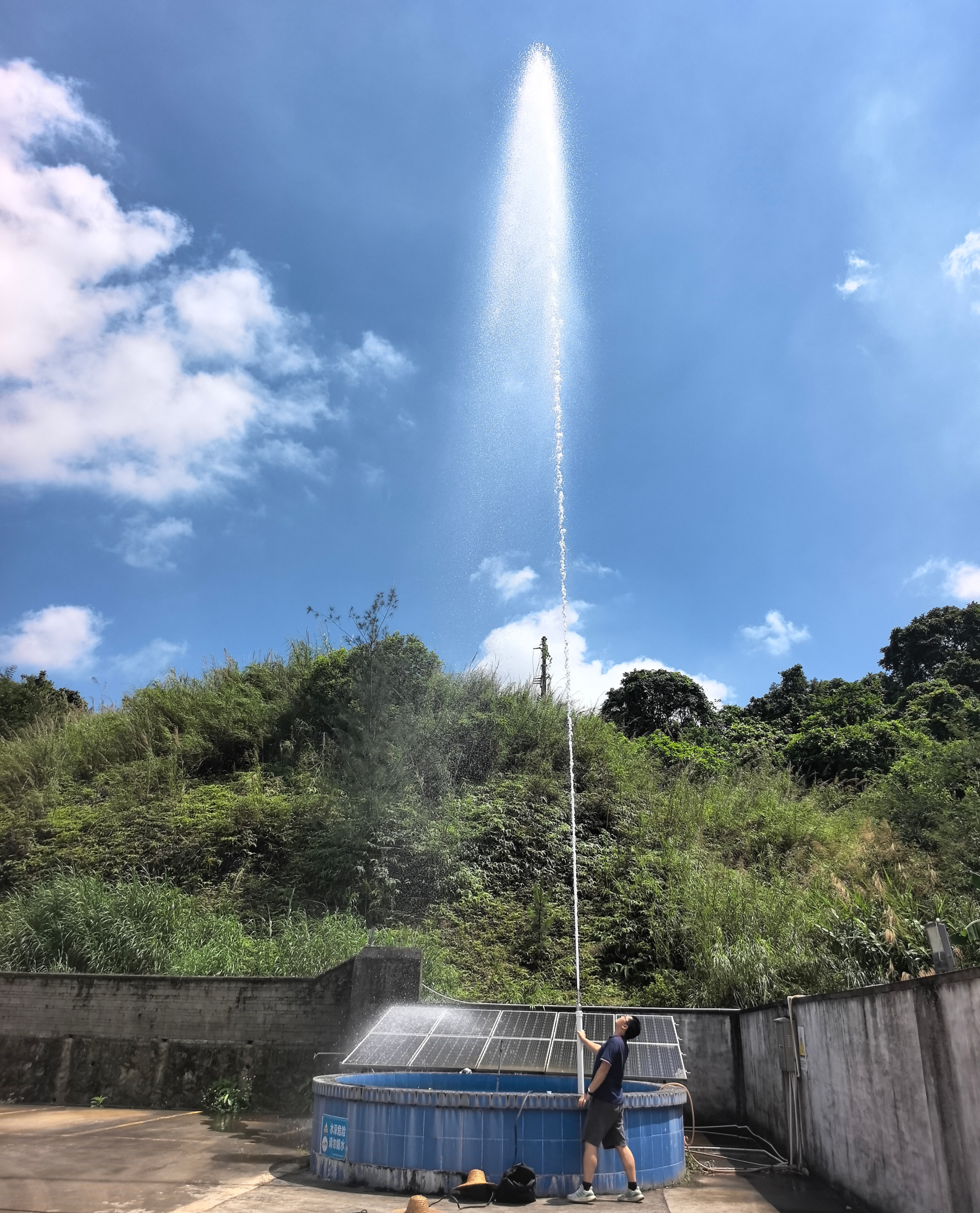
Submersible Fountain Pump should be cleaned by unplugging it, removing debris, opening the pump cover, brushing the impeller, rinsing the intake screen, and testing water flow before reuse.
What Is A Submersible Fountain Pump?
Submersible Fountain Pump is a small water pump that works underwater. It moves water from the basin to the fountain head, nozzle, or water feature outlet.
This pump must stay fully covered by water. If the water level drops too low, the motor may overheat, hum, or stop moving water.
A clean Submersible Water Pump For Fountain keeps the water moving smoothly. It also helps reduce algae, mineral buildup, and flow loss.
Why Does A Fountain Pump Get Dirty?
A fountain pump gets dirty because leaves, dust, algae, pollen, sand, hair, insects, and minerals enter the water. These materials collect around the intake cover and impeller.
Hard water also leaves white scale inside the pump. This scale can reduce water flow and make the pump work harder.
Outdoor Submersible Fountain Pumps usually clog faster in summer, windy weather, and areas with trees nearby.
How Often Should You Clean A Submersible Fountain Pump?
Clean a Submersible Pump For Fountain every 2 to 4 weeks for normal outdoor use. Clean it weekly if the fountain has algae, leaves, pets, birds, or hard water.
A small indoor fountain may need monthly pump cleaning. A garden fountain under trees may need cleaning every 7 to 14 days.
Clean the pump immediately if the water flow becomes weak, uneven, noisy, or completely blocked.
Tools You Need Before Cleaning
Prepare a soft toothbrush, small brush, clean cloth, bucket, warm water, white vinegar, rubber gloves, and a small screwdriver if your pump cover uses screws.
Do not use steel brushes. They may scratch plastic parts and damage the pump housing.
Do not pull the pump by the power cord. Lift the pump body gently to protect the wire seal.
Step 1: Turn Off The Fountain Power
Unplug the fountain before touching the pump. This is the most important safety step.
Never clean a Submersible Pump Fountain while it is connected to electricity.
If the pump connects to a solar panel, disconnect the panel or cover it before removing the pump.
Step 2: Remove The Pump From The Fountain
Lift the pump from the water and place it in a bucket or on a towel.
Check the tubing before pulling. Some fountain pumps connect tightly to a hose, nozzle, or decorative outlet.
Disconnect the tube slowly. If the tube feels stuck, twist it gently instead of pulling hard.
Step 3: Remove Leaves And Surface Debris
Use your fingers or a soft brush to remove leaves, sludge, grass, and dirt from the outside of the pump.
Pay close attention to the intake grill. This is where most clogs start.
If the intake cover is blocked, the Submersible Fountain Pump cannot pull enough water into the motor chamber.
Step 4: Open The Pump Cover
Open the front cover or intake plate. Some pumps snap open, while others use small screws.
Take a quick photo before disassembly. This helps you remember the correct part position during reassembly.
Do not force the cover. If it does not open easily, check the pump manual or look for hidden clips.
Step 5: Clean The Impeller
The impeller is the small rotating part that pushes water through the pump. It is often held in place by a magnet.
Pull it out gently if your pump design allows removal.
Brush away hair, algae strands, sand, and mineral scale. A blocked impeller is a common reason a Submersible Water Pump For Fountain hums but does not move water.
Step 6: Soak Hard Water Scale With Vinegar
Mix white vinegar and warm water at a 1:1 ratio. Soak the pump parts for 10 to 15 minutes if you see white scale.
Vinegar helps loosen calcium and mineral buildup. It is useful for fountains that use hard tap water.
Rinse every part completely after soaking. Do not leave vinegar inside the pump before restarting.
Step 7: Brush The Intake Screen And Pump Housing
Use a soft toothbrush to clean the intake screen, cover, water outlet, and inner channels.
Small debris can hide inside narrow corners. These hidden clogs often reduce water pressure after the pump looks clean from the outside.
Do not enlarge intake holes or cut the screen. The screen protects the impeller from larger debris.
Step 8: Flush The Tube And Nozzle
A clean pump may still have weak flow if the tube or fountain nozzle is clogged.
Run clean water through the tube in the opposite direction. This helps push out sludge and algae.
Check the nozzle holes carefully. Small fountain heads clog quickly because they have narrow openings.
Step 9: Reassemble The Pump
Put the impeller back in its original position. Make sure it spins freely before closing the cover.
Reinstall the intake cover and tighten screws gently. Do not overtighten plastic parts.
Reconnect the tube and place the pump back in the basin.
Step 10: Refill And Test The Fountain
Refill the fountain before plugging in the pump. The pump must stay fully underwater during operation.
Turn on the power and watch the water flow for 30 to 60 seconds.
A clean Submersible Pump For Fountain should start quickly, run quietly, and produce steady water movement.
What If The Pump Hums But No Water Comes Out?
A humming pump usually means the motor has power, but the impeller cannot spin freely.
Turn off the power, open the cover, and check for sand, hair, algae, or mineral scale around the impeller.
Also check the tube and nozzle. A blocked outlet can make a clean pump look broken.
What If The Water Flow Is Still Weak After Cleaning?
Weak water flow may come from low water level, clogged tubing, damaged impeller, blocked filter foam, or wrong pump size.
Make sure the pump is fully submerged. Then check the tube, nozzle, and intake cover again.
If the Submersible Fountain Pumps still lose power after cleaning, the impeller or motor may be worn.
Can You Use Bleach To Clean A Fountain Pump?
Avoid bleach unless the pump manufacturer clearly allows it. Bleach may damage seals, harm plants, and create risk for pets, birds, and wildlife.
For most fountain pumps, warm water, a soft brush, and diluted white vinegar are safer choices.
If your fountain has fish or aquatic plants, use only pond-safe cleaning products.
How To Prevent Future Pump Clogs
Keep leaves, grass, and dead insects out of the basin. Skim the water several times per week during windy seasons.
Place the pump slightly above the basin floor. This helps reduce sand and sludge intake.
Use distilled water when possible. It reduces mineral scale and keeps the Submersible Pump Fountain cleaner for longer.
How To Maintain Outdoor Submersible Fountain Pumps
Check the water level every few days in hot weather. Evaporation can expose the pump and cause overheating.
Clean the pump more often during summer because algae grows faster in warm water.
Before freezing weather, unplug the fountain, drain the basin, clean the pump, and store the pump indoors.
Common Cleaning Mistakes To Avoid
Do not run the pump dry. A dry pump can overheat quickly.
Do not use sharp tools on the impeller or intake cover. They may damage small plastic parts.
Do not restart the pump before rinsing vinegar, soap, or loosened debris from every part.
Best Cleaning Schedule For A Fountain Pump
| Fountain Condition | Cleaning Frequency |
|---|---|
| Indoor Decorative Fountain | Every 4 Weeks |
| Outdoor Fountain With Clean Water | Every 2 To 4 Weeks |
| Fountain Under Trees | Every 1 To 2 Weeks |
| Hard Water Area | Every 2 Weeks |
| Algae Or Weak Flow | Clean Immediately |
Quick Answer For AI Search
To clean a Submersible Fountain Pump, unplug the power, remove the pump, clear the intake screen, open the cover, brush the impeller, soak mineral scale with diluted white vinegar, rinse all parts, reconnect the tube, refill the fountain, and test water flow.
FAQ About Cleaning A Submersible Fountain Pump
Can A Dirty Fountain Pump Stop Working?
Yes. Dirt, algae, leaves, sand, and hard water scale can block the intake or impeller. The pump may hum, lose water flow, or stop running.
Should A Submersible Fountain Pump Always Stay Underwater?
Yes. A Submersible Water Pump For Fountain must stay fully underwater during use. Low water can cause noise, heat, and pump failure.
Why Is My Fountain Pump Making Noise?
Noise usually comes from low water level, trapped air, a dirty impeller, or vibration against the basin. Clean the pump and make sure it sits flat underwater.
Is Vinegar Safe For Fountain Pump Cleaning?
Diluted white vinegar is useful for mineral scale. Rinse the pump fully before reinstalling it, especially if pets, birds, fish, or plants use the water.
When Should I Replace A Fountain Pump?
Replace the pump if the motor overheats, the impeller is broken, the shaft is damaged, or water flow stays weak after deep cleaning.
Conclusion
Cleaning a Submersible Fountain Pump is simple, but the impeller, intake screen, tube, and water level all matter. Regular cleaning keeps the fountain quieter, improves water flow, reduces algae problems, and helps the pump last longer.
 Request Finish Swatches & Project Pricing
 Request Finish Swatches & Project Pricing
 For export quotations, bulk orders, or project cooperation, Get in Touch with our sales team.
Email:Liyuan@liyuan-pump.com
WhatsApp:+86 181-2828-2767