What Is a Submersible Motor? Definition, Design, and Applications
Over 70% of the Earth’s surface is covered by wateotorr, making it essential for electrical and mechanical systems to operate reliably in submerged environments. One of the most critical components designed for such conditions is the submersible motor.
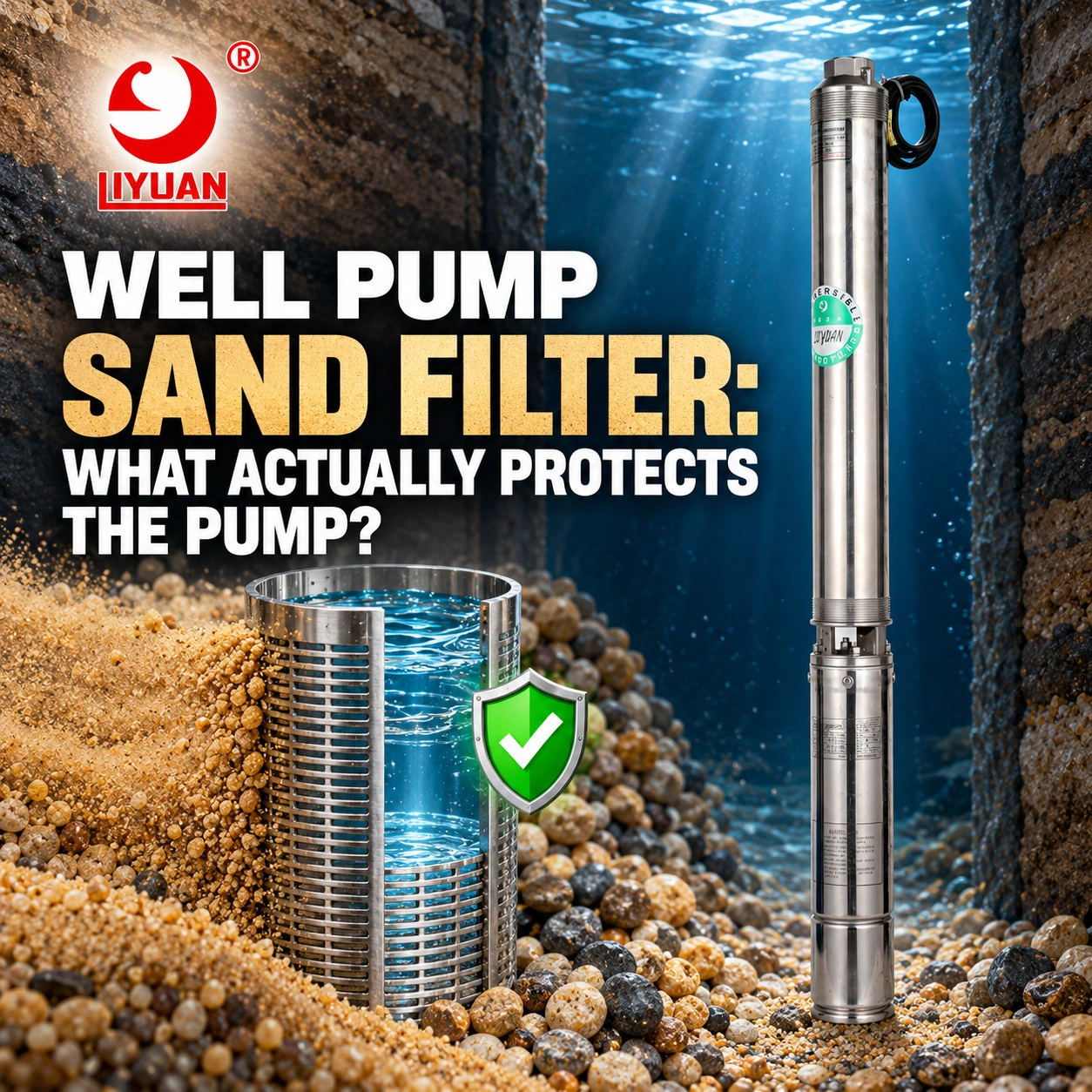
A submersible motor is a hermetically sealed electric motor engineered to operate fully immersed in liquids, most commonly water. Unlike conventional motors that must remain dry, submersible motors are specifically designed to withstand continuous exposure to fluid pressure, moisture, and temperature variations without compromising performance.
How a Submersible Motor Works
A submersible motor is typically integrated directly with a pump, forming a compact and efficient drive system. Because the motor operates below the liquid level, it eliminates suction limitations and allows the pump to push fluid upward rather than pull it from the surface. This design significantly reduces energy losses and improves hydraulic efficiency.
To ensure safe and reliable operation, manufacturers seal all electrical components using:
Precision mechanical seals
Multi-layer insulation systems
Oil-filled or water-filled pressure balancing designs
These features shield motor windings and bearings from water, enabling continuous operation under high loads.
Key Design Features of Submersible Motors
Modern submersible motors are engineered for durability and efficiency in demanding environments. Key characteristics include:
Fully sealed housing to prevent liquid penetration
Efficient cooling using surrounding fluid as a heat dissipation medium
Corrosion-resistant materials for extended service life
Compact axial design suitable for narrow boreholes and deep wells
Submerged motors run at stable temperatures, extending insulation life and reducing overheating risk.
Common Applications of Submersible Motors
Submersible motors serve as the driving force behind a wide range of pumping systems across residential, agricultural, industrial, and energy sectors.
Water Well and Deep Well Pumps
Submersible motors are the preferred solution for extracting groundwater from deep wells. Installed below the static water level, they deliver stable pressure and consistent flow even at significant depths.
Sump Pumps and Drainage Systems
In residential and commercial buildings, submersible motors power sump pumps that automatically remove accumulated groundwater, protecting basements and foundations from flooding.
Sewage and Wastewater Pumps
Submersible motor-driven pumps handle sewage, sludge, and wastewater efficiently, making them essential in municipal treatment plants and septic systems.
Oil and Gas Applications
Electric submersible motors lift crude oil from deep reservoirs in both onshore and offshore wells.
Industrial and Construction Dewatering
Construction sites rely on submersible motor pumps to remove water from excavations, tunnels, and flooded foundations, ensuring safe and efficient project execution.
Borehole and Agricultural Irrigation Pumps
In agriculture, submersible motors power borehole pumps that supply irrigation systems with reliable water flow, supporting long-term crop production.
Why Submersible Motors Are More Efficient
Compared with surface-mounted motors, submersible motors offer several performance advantages:
Reduced cavitation risk
Higher hydraulic efficiency
Lower noise and vibration
Minimal installation footprint
By operating directly within the pumped fluid, the motor-pump system achieves optimal energy transfer and improved reliability.
Choosing the Right Submersible Motor
Users should consider the following when selecting a submersible motor:
Required flow rate and head
Operating depth and water quality
Power supply and voltage compatibility
Continuous or intermittent duty requirements
Proper selection and professional installation ensure long service life and consistent performance.
A well-designed submersible motor is the foundation of any reliable submersible pump system, delivering efficient, long-lasting performance in deep wells, industrial drainage, and demanding fluid-handling applications.