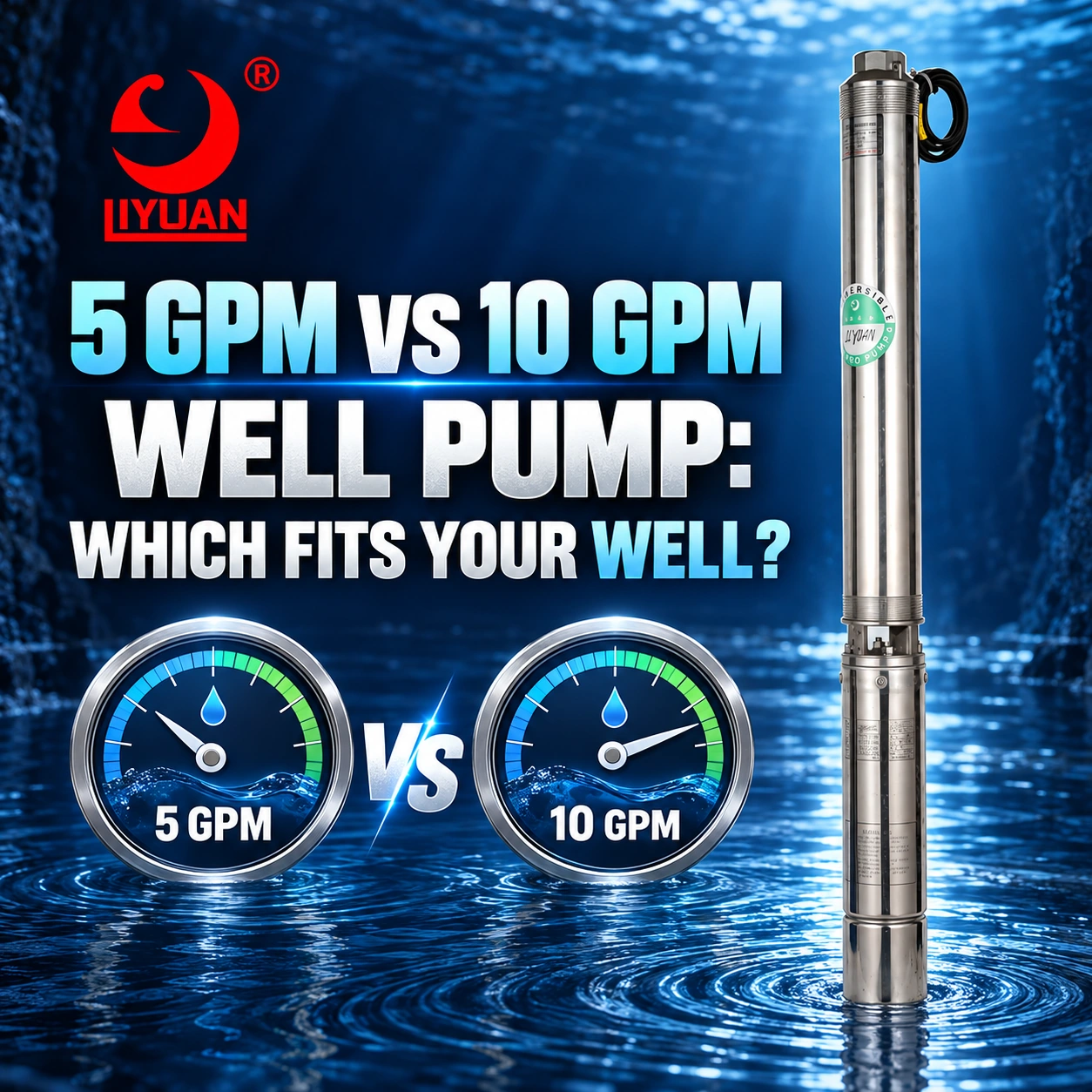
Why Submersible Pumps Matter in Modern Fluid Handling
Submersible pumps have become a core component of modern fluid handling systems across industrial, municipal, agricultural, and construction sectors. By operating fully submerged in liquid, these pumps eliminate suction limitations, reduce energy losses, and deliver stable, high-efficiency performance in demanding environments.
From deep-well water extraction and industrial sump drainage to slurry transport and wastewater treatment, submersible pumps provide reliable, space-saving, and cost-effective solutions where traditional surface pumps fall short.
This comprehensive guide explains what submersible pumps are, how they work, their key types, applications, benefits, selection criteria, and maintenance best practices
What Is a Submersible Pump?
A submersible pump is a sealed pumping unit designed to operate completely underwater. Unlike surface-mounted pumps that rely on suction, submersible pumps push liquid upward, using surrounding hydrostatic pressure to improve efficiency and eliminate cavitation risks.
Each unit integrates a hermetically sealed electric motor with a hydraulic pump section, ensuring reliable operation even in deep, high-pressure, or contaminated environments. This design removes the need for pump houses, priming systems, or complex piping configurations.
Submersible pumps are widely used in:
- Deep wells and boreholes
- Industrial sumps and pits
- Flood control and drainage systems
- Wastewater and sewage handling
- Mining, dredging, and slurry transport
Core Components of a Submersible Pump
1. Sealed Electric Motor
The motor is enclosed in a watertight housing that prevents liquid ingress while allowing continuous submerged operation. Surrounding fluid naturally cools the motor, extending service life and reducing overheating risks.
2. Impeller System
The impeller converts mechanical energy into kinetic energy, accelerating fluid through centrifugal force. Depending on application requirements, impellers may be open, semi-open, closed, or vortex-style to handle solids and abrasives.
3. Pump Casing
The casing directs fluid flow while withstanding pressure, abrasion, and corrosion. Industrial submersible pumps often use high-chrome alloys, stainless steel, or rubber-lined housings for durability.
4. Shaft Seals and Bearings
Mechanical seals protect internal components from water ingress, while heavy-duty bearings support continuous high-load operation in harsh environments.
How Submersible Pumps Work
Submersible pumps operate on centrifugal force principles:
- The sealed motor drives the impeller directly
- Rotating impeller blades accelerate fluid outward
- Fluid pressure increases inside the casing
- Pressurized liquid flows upward through the discharge pipe
Because the pump is submerged, inlet pressure remains positive, which:
- Eliminates suction loss
- Prevents cavitation
- Improves hydraulic efficiency
- Enables deep vertical lifting
This design makes submersible pumps especially effective in deep wells, flooded areas, and high-solid environments.
Types of Submersible Pumps
Submersible Water Pumps
Designed for clean or lightly contaminated water, these pumps are commonly used in drainage, utilities, water supply, and residential systems.
Submersible Slurry Pumps
Engineered to handle abrasive slurries with high solid content, slurry pumps are essential in mining, dredging, tunneling, and industrial waste handling.
Borehole and Deep Well Pumps
Built for narrow, deep installations, borehole pumps deliver high pressure and flow from significant depths, making them ideal for agriculture and municipal water supply.
Stainless Steel Submersible Pumps
Corrosion-resistant and hygienic, these pumps are suited for chemical processing, food applications, and aggressive fluid environments.
Oil-Filled Submersible Pumps
Oil-filled motors provide excellent cooling and insulation, enabling reliable operation in cold or variable-temperature environments.
Utility and Dewatering Pumps
Portable and compact, utility pumps are widely used for emergency flood control, construction site drainage, and temporary water transfer.
Booster Submersible Pumps
These pumps increase system pressure and flow, supporting stable water supply in residential, commercial, and industrial networks.
Key Applications of Submersible Electric Pump
Wastewater and Sewage Management
Submersible pumps handle solids, sludge, and effluent efficiently, ensuring continuous operation in municipal and industrial treatment facilities.
Mining and Dredging Operations
Submersible slurry pumps transport abrasive materials such as sand, tailings, and sediments with minimal clogging and downtime.
Oil and Gas Industry
Used in offshore platforms and drilling sites, submersible pumps manage drilling mud, by-products, and fluid transfer under extreme conditions.
Construction and Infrastructure
Submersible Water pumps support large-scale dewatering projects, foundation excavation, and groundwater control.
Agriculture and Irrigation
Deep well submersible pumps deliver consistent water supply for irrigation systems, improving crop yield and operational efficiency.
Environmental Remediation
These pumps remove contaminated water, sludge, and hazardous fluids during cleanup and ecosystem restoration projects.
Advantages of Submerged Pump
- Higher Energy Efficiency: Pushing liquid instead of pulling reduces power consumption
- Reduced Cavitation Risk: Constant positive pressure prevents vapor bubble formation
- Compact Installation: No pump house or priming system required
- Enhanced Cooling: Submerged operation naturally regulates motor temperature
- Wide Media Compatibility: Handles clean water, wastewater, oil, and abrasive slurries
- Lower Maintenance Costs: Fewer moving parts and stable operating conditions
- Improved Safety: Sealed construction minimizes leakage and exposure risks
How to Choose the Right Submersible Pump
When selecting a submersible pump, consider:
- Required flow rate and total dynamic head
- Liquid composition (solids, abrasiveness, chemicals)
- Operating temperature and environment
- Installation depth and space constraints
- Energy efficiency and lifecycle cost
- Future capacity expansion needs
Proper sizing and material selection significantly improve pump lifespan and system performance.
Maintenance Best Practices
Regular maintenance ensures long-term reliability:
- Conduct routine inspections for wear and corrosion
- Clean pump components to prevent clogging
- Monitor impeller condition and alignment
- Replace seals before leakage occurs
- Perform insulation resistance and electrical testing
- Track performance metrics and service history
Preventive maintenance reduces downtime, energy loss, and unexpected repair costs.
Conclusion: A Long-Term Investment in Performance and Reliability
Submersible Water pump represent one of the most efficient and versatile solutions for fluid handling across industries. Their submerged design, durable construction, and superior hydraulic performance make them ideal for demanding applications involving depth, pressure, solids, and continuous operation.
By selecting the right submersible pump and following proper maintenance practices, businesses can achieve higher efficiency, lower operating costs, and long-term system reliability—making submersible pump a strategic investment for modern infrastructure and industrial growth.