
Submersible Electric Motor: Complete Guide to High-Efficiency Underwater Power Solutions
Learn about how submersible pumps are deployed along with the optimal pumping applications which utilize submersible water pumps.
Table of Contents
What Is Submersible Electric Motor?
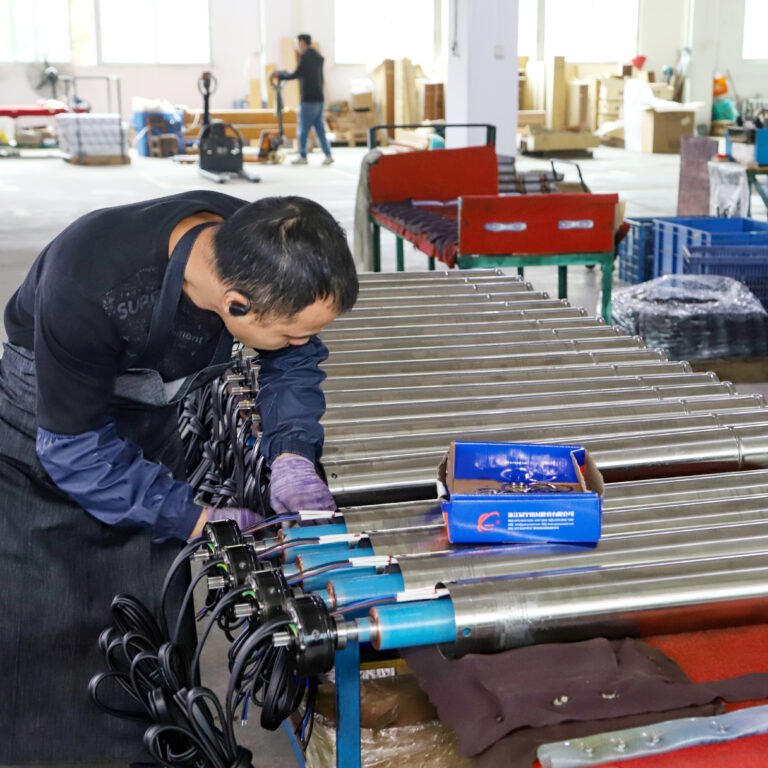
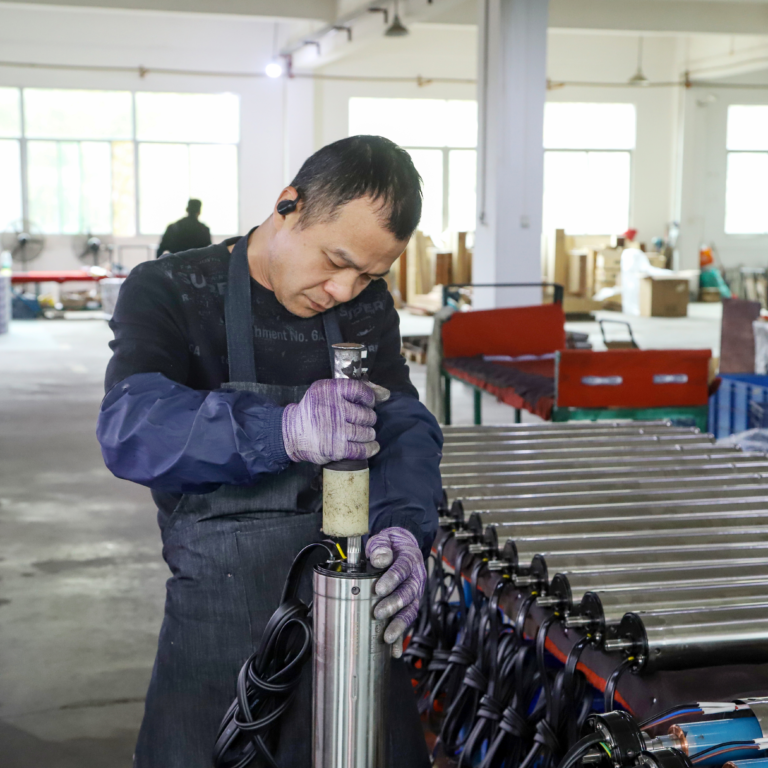
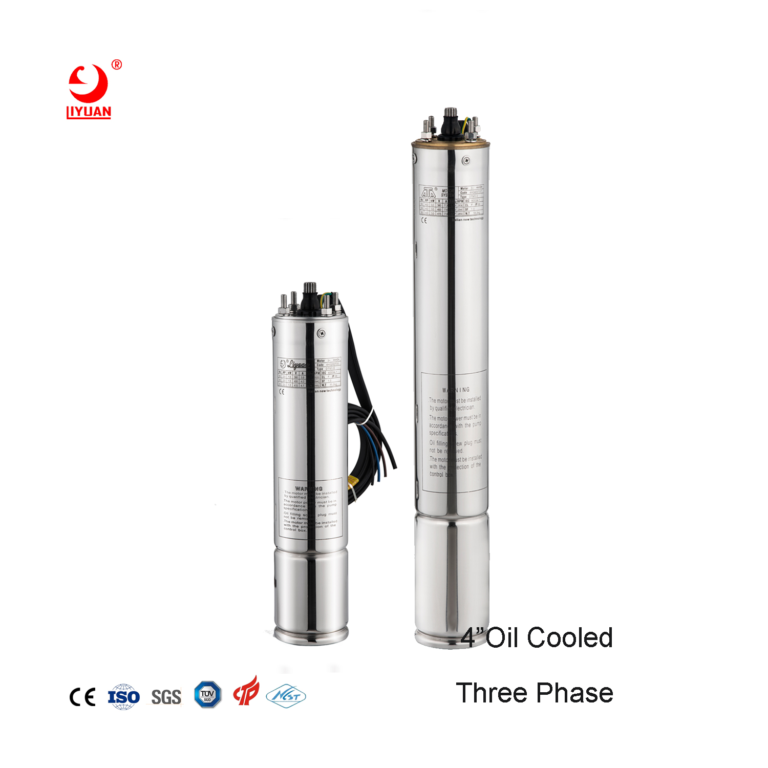
submersible electric motor is a specially engineered electric motor designed to operate fully submerged in water or other liquids without performance loss or electrical failure. Unlike conventional motors, submersible motors are hermetically sealed, preventing liquid ingress while delivering stable, long-term power in demanding environments.
Submersible motors are most commonly used to drive submersible pumps, including deep well pumps, wastewater pumps, industrial process pumps, and oilfield lifting systems. By operating directly within the fluid source, these motors eliminate suction limitations, improve efficiency, and reduce system complexity.
Thanks to their compact structure and robust sealing technology, submersible electric motors have become a preferred solution for agricultural, industrial, municipal, and energy applications worldwide.
Call for sales or Support
If you need assistance with pump selection, sales or engineering support, Whatsapp: +86 134 2250 1007 or call +86 181 2828 2767
The Liyuan Pump
Submersible Motor Specs
Model | |
3 Inch Submersible Pump | ; |
4 Inch Submersible Pump-100QJ | ; |
4 Inch Submersible Pump-MOTOR | ; |
4 Inch Submersible Pump-SG-SS impeller | ; |
5 & 6 Inch Submersible Pump | ; |
5 Inch Submersible Pump-SG-SS impeller | ; |
6 Inch Submersible Pump-SG-SS impeller | ; |
8 Inch Submersible Pump-SG-SS impeller | ; |
10 Inch Submersible Pump-SG-SS impeller | ; |
How Does Submersible Motor Work?
submersible pump motor operates on standard electromagnetic principles but incorporates advanced sealing and insulation systems to ensure safe underwater operation.
When electrical power is supplied:
The stator windings generate a rotating magnetic field
The rotor turns synchronously
Mechanical energy is transferred directly to the pump impeller
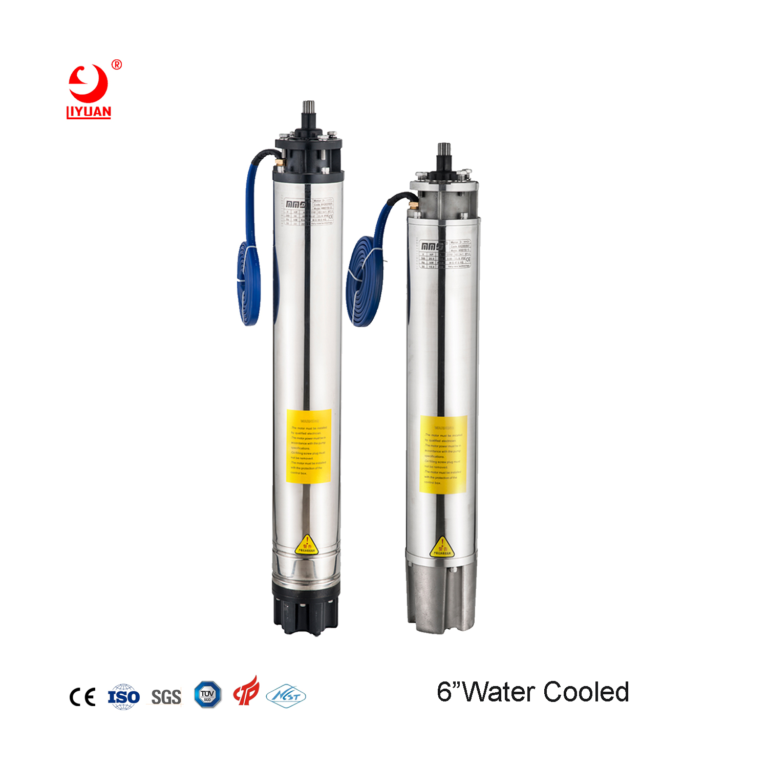
Unlike surface motors, a submersible motor uses the surrounding fluid for natural cooling, significantly improving heat dissipation and allowing continuous-duty operation without overheating. This design enhances efficiency, extends insulation life, and reduces thermal stress on internal components.
Key Advantages of Submersible Electric Motors
High Efficiency in Deep and Narrow Installations
Installed directly below the water level, submersible motors push fluid upward instead of pulling, eliminating suction loss and improving hydraulic efficiency—especially in deep wells and boreholes.
Reliable Sealed Construction
Hermetically sealed housings protect internal components from:
Water ingress
Corrosive chemicals
High external pressure
This results in lower failure rates and longer service life.
Quiet and Vibration-Free Operation
Operating underwater naturally reduces noise and vibration, making submersible motors ideal for:
Residential water systems
Agricultural irrigation
Urban municipal installations
Space-Saving Design
By eliminating surface-mounted motor assemblies, submersible motors require minimal external infrastructure—perfect for limited-space installations.
Common Applications of Submersible Motors
Agricultural Irrigation Systems
Submersible electric motors power deep well irrigation pumps, delivering stable water pressure for long-term, continuous agricultural use, even in water-scarce regions.
Municipal & Industrial Wastewater Treatment
Used in sewage lift stations and sludge handling, submersible motors withstand:
Abrasive solids
Corrosive fluids
Continuous heavy-duty cycles
Oil & Gas Industry
Electric Submersible Motors (ESM) are essential components of ESP systems, lifting crude oil from deep reservoirs under extreme pressure and temperature conditions.
Mining & Marine Applications
From mine dewatering to marine bilge pumping, submersible motors ensure dependable performance in harsh, submerged environments.
Submersible Motor vs. Surface (Dry) Motor
| Feature | Submersible Motor | Dry Motor |
|---|---|---|
| Installation | Underwater | Above ground |
| Cooling | Liquid-cooled | Air or fan-cooled |
| Noise Level | Very low | Higher |
| Efficiency | High in deep wells | Limited by suction |
| Maintenance Frequency | Lower | Higher |
In deep or underwater applications, submersible motors consistently outperform dry motors in efficiency, reliability, and lifespan.
Construction Materials & Design Features
High-quality submersible electric motors are manufactured using:
Stainless steel or cast iron housings for corrosion resistance
Epoxy-insulated windings for electrical protection
Double mechanical seals to prevent leakage
High-grade bearings designed for continuous operation
For aggressive environments, special coatings and alloys enhance chemical resistance and durability.
How to Choose the Right Submersible Electric Motor
When selecting a submersible motor, consider:
Voltage and frequency compatibility
Power rating (HP / kW)
Maximum immersion depth
Fluid temperature and chemical composition
Pump matching requirements
Choosing the correct motor ensures optimal efficiency, reduced energy consumption, and long-term system reliability.
Maintenance & Performance Optimization
Although designed for durability, proper maintenance improves service life:
Periodic insulation resistance testing
Seal integrity inspections
Temperature and load monitoring
Sediment buildup prevention
Predictive maintenance tools and condition monitoring systems help reduce unexpected downtime and repair costs.
Future Trends in Submersible Motor Technology
Modern submersible motors are evolving with:
IoT-enabled monitoring
Smart sensors
Variable Frequency Drive (VFD) compatibility
Energy-efficient motor designs
These innovations support sustainable water management, renewable energy systems, and smart agricultural infrastructure, positioning submersible motors as a critical component of future engineering solutions.
Types of Submersible Motors
There are different types of submersible Motors, each serving specific purposes. These are used in tanks, wells, and more. Here are the main classes of Submersible Motors.
How to Choose the Right Submersible Electric Motor for Your Application
Selecting the right submersible electric motor is a critical step in ensuring long-term system efficiency, stable performance, and reduced operating costs. An improperly matched motor can lead to energy waste, premature failure, and costly downtime—especially in deep well and industrial applications.
This guide outlines the key technical and environmental factors to consider when choosing a submersible pump motor for agricultural, industrial, and municipal systems.
1. Match Motor Power to Pump Requirements
The motor’s power rating (HP or kW) must align precisely with the pump’s hydraulic demand.
Key considerations include:
Required flow rate (m³/h or GPM)
Total dynamic head (TDH)
Pump efficiency curve
Oversized motors increase energy consumption, while undersized motors risk overheating and reduced service life. Always select a submersible motor that operates near its optimal efficiency range.
2. Voltage, Frequency, and Electrical Compatibility
Submersible electric motors are available in various configurations:
Single-phase or three-phase
50Hz or 60Hz
Low-voltage or high-voltage designs
Ensuring compatibility with the local power supply prevents electrical stress, voltage imbalance, and insulation degradation. For variable-demand systems, motors compatible with VFD control offer improved flexibility and energy savings.
3. Installation Depth and Cooling Conditions
Installation depth directly affects motor cooling and pressure resistance.
When evaluating depth:
Confirm maximum immersion rating
Consider water temperature and flow velocity
Verify pressure tolerance at operating depth
Deeper installations benefit significantly from submersible motors due to their liquid-cooled design, which maintains stable operating temperatures even during continuous operation.
4. Fluid Characteristics and Environmental Conditions
Different applications expose motors to different challenges:
Clean groundwater
Sand-laden water
Corrosive wastewater
High-temperature industrial fluids
Choose housing materials and seal designs accordingly:
Stainless steel for corrosion resistance
Cast iron for structural strength
Special coatings for chemical exposure
5. Service Life, Maintenance, and Manufacturer Support
A high-quality submersible motor should offer:
Long insulation life
Reliable sealing systems
Easy integration with pumps and controls
Selecting an experienced submersible motor manufacturer or OEM supplier ensures access to technical support, spare parts, and long-term reliability.
Final Selection Checklist
Before finalizing your submersible electric motor:
✅ Confirm pump compatibility
✅ Verify electrical specifications
✅ Evaluate installation depth
✅ Match materials to fluid type
✅ Consider lifecycle cost, not just price
A properly selected submersible motor delivers higher efficiency, lower maintenance costs, and dependable long-term performance.
Call for sales or Support
If you need assistance with pump selection, sales or engineering support, Whatsapp: +86 134 2250 1007 or call +86 181 2828 2767
Submersible Electric Motor Applications Across Key Industries
The versatility of the submersible electric motor makes it an essential component across a wide range of industries. Designed for continuous underwater operation, these motors provide reliable power in environments where traditional surface motors fail.
Below is a detailed look at how submersible motors support critical operations in agriculture, industry, energy, and infrastructure.
Agricultural Irrigation & Water Supply
In agriculture, deep well submersible motors drive irrigation pumps that supply consistent water pressure over long distances.
Key benefits include:
Stable flow for drip and sprinkler systems
Reliable operation in deep and narrow wells
Reduced energy loss compared to surface pumps
Their ability to operate continuously makes them ideal for large-scale farming and remote agricultural regions.
Municipal Water & Wastewater Management
Submersible motors play a vital role in:
Sewage lift stations
Stormwater drainage
Wastewater treatment plants
Engineered to handle solids, corrosive fluids, and heavy-duty cycles, industrial submersible motors ensure uninterrupted operation in critical public infrastructure.
Industrial Process & Manufacturing Systems
In manufacturing environments, submersible motors support:
Cooling water circulation
Chemical fluid transfer
Process water recycling
Their sealed construction protects internal components from contamination, improving system safety and operational stability.
Oil, Gas & Energy Applications
Electric submersible motors are integral to:
Oil well artificial lift systems
Offshore drilling platforms
Geothermal energy extraction
Designed for extreme pressure and temperature conditions, these motors deliver dependable performance in energy-intensive environments where reliability is non-negotiable.
Mining, Construction & Marine Use
From mine dewatering to marine bilge pumping, submersible motors provide:
High resistance to abrasive particles
Compact installation in confined spaces
Long service life under harsh conditions
Their rugged design minimizes downtime and supports demanding field operations.
Why Submersible Motors Excel Across Industries
Across all applications, submersible electric motors offer:
Superior cooling efficiency
Reduced noise and vibration
Lower installation complexity
Enhanced operational reliability
These advantages make them the preferred choice for deep well, underwater, and continuous-duty applications.
Call for sales or Support
If you need assistance with pump selection, sales or engineering support, Whatsapp: +86 134 2250 1007 or call +86 181 2828 2767
Submersible Electric Motor Maintenance and Efficiency Optimization Guide
Proper maintenance and efficiency management are essential to maximizing the service life, reliability, and energy efficiency of a submersible electric motor. While these motors are designed for long-term underwater operation, neglecting preventive care can lead to unexpected failures, increased energy consumption, and costly downtime.
This guide explains how to maintain submersible motors effectively, improve operational efficiency, and extend their working life in agricultural, industrial, and municipal applications.
Common Causes of Submersible Motor Performance Loss
Understanding the root causes of motor degradation helps prevent major failures. The most common issues include:
Inadequate cooling due to low water flow
Seal wear leading to moisture ingress
Voltage imbalance or unstable power supply
Excessive sand, solids, or abrasive particles
Continuous operation outside the optimal load range
Early identification of these factors significantly reduces repair and replacement costs.
Preventive Maintenance Best Practices
A structured maintenance program improves reliability and ensures stable motor operation.
Recommended maintenance actions include:
Insulation resistance testing before and after installation
Regular monitoring of operating current and voltage
Inspection of mechanical seals and cable integrity
Periodic vibration and temperature checks
Cleaning sediment buildup around the motor and pump inlet
Preventive maintenance helps detect hidden issues before they develop into critical failures.
How to Improve Submersible Motor Energy Efficiency
Energy efficiency directly impacts operating costs, especially in continuous-duty systems.
To optimize efficiency:
Match motor power precisely to pump demand
Use high-efficiency motor designs with low electrical losses
Integrate Variable Frequency Drives (VFDs) to regulate speed based on system demand
Avoid frequent start-stop cycles that increase electrical stress
Proper system matching and speed control can reduce energy consumption by 10–30% in many applications.
Extending the Service Life of a Submersible Electric Motor
Service life is influenced not only by motor quality but also by operating conditions.
Key longevity strategies include:
Maintaining stable voltage supply
Preventing dry-running conditions
Ensuring correct installation depth
Using corrosion-resistant materials in aggressive fluids
Scheduling routine performance audits
A well-maintained submersible motor can operate reliably for many years, even in harsh environments.
Troubleshooting Common Submersible Motor Problems
| Symptom | Possible Cause | Recommended Action |
|---|---|---|
| Motor overheating | Insufficient cooling flow | Check water level and flow |
| Reduced output | Pump wear or blockage | Inspect impeller and intake |
| High current draw | Overload or voltage imbalance | Verify electrical supply |
| Frequent shutdown | Seal failure or moisture ingress | Inspect sealing system |
Timely troubleshooting prevents minor issues from escalating into complete system failure.
Predictive Maintenance and Smart Monitoring
Modern submersible electric motors increasingly support condition monitoring technologies, including:
Temperature sensors
Load and current monitoring
Insulation resistance tracking
Remote diagnostics via control panels
Predictive maintenance reduces downtime, improves planning, and lowers lifecycle costs—especially in industrial and municipal systems.
Maintenance Best Practices by Application
Agricultural irrigation: Focus on sand protection and seasonal inspections
Wastewater systems: Monitor seal wear and corrosion resistance
Industrial processes: Emphasize electrical stability and continuous cooling
Deep well installations: Ensure proper depth and water flow at all times
Tailoring maintenance strategies to application conditions ensures optimal performance.
Why Maintenance and Efficiency Matter for Long-Term ROI
Investing in proper maintenance and efficiency optimization delivers:
Lower operating and energy costs
Extended motor lifespan
Reduced emergency repairs
Improved system reliability
For long-term operations, a well-maintained submersible electric motor provides the highest return on investment.
Call for sales or Support
If you need assistance with pump selection, sales or engineering support, Whatsapp: +86 134 2250 1007 or call +86 181 2828 2767
Submersible Motors
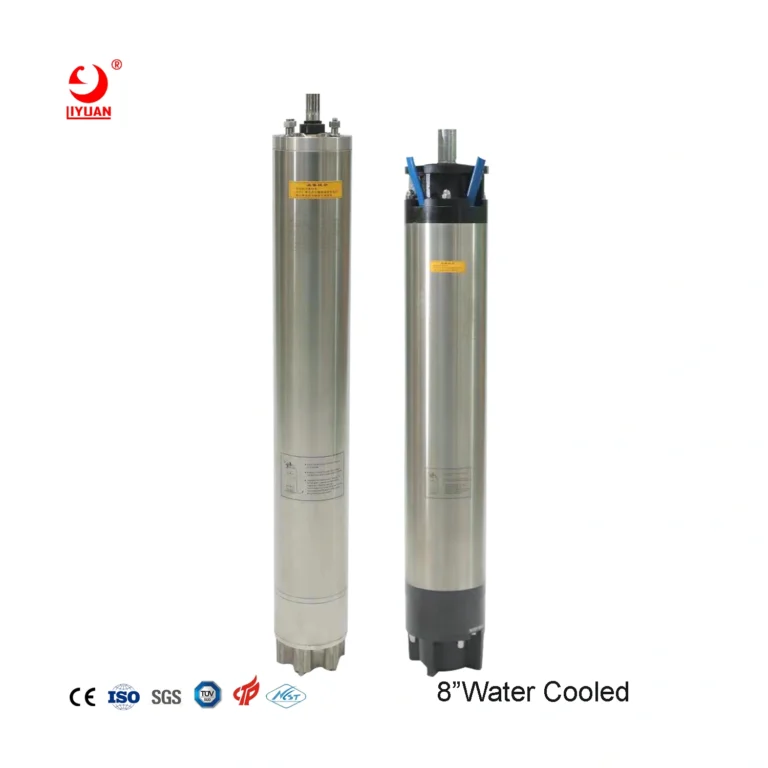
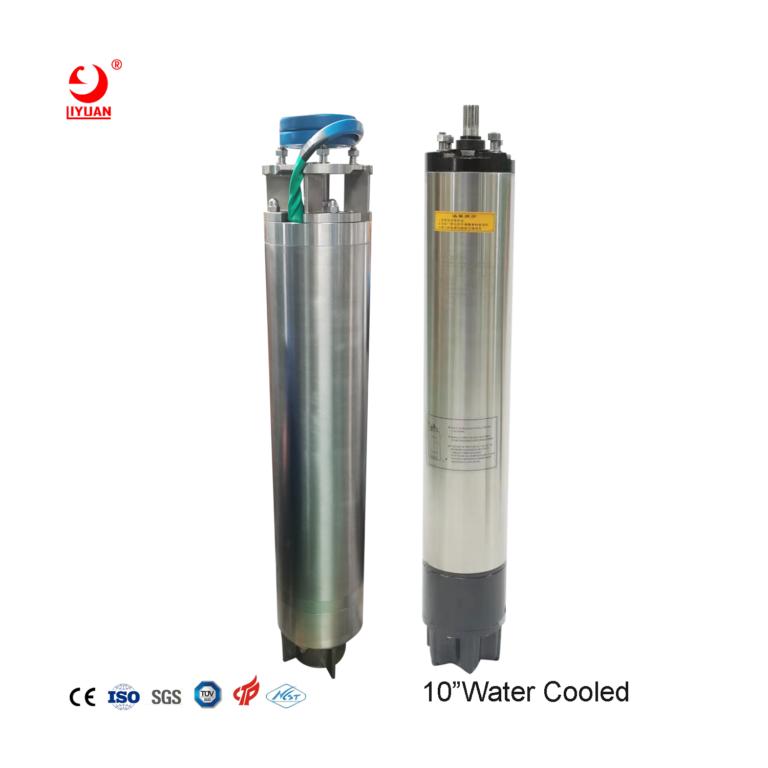
Why Liyuan Pumps Are Better – Highlights
Discover the story of China’s pioneering submersible pump manufacturer! Since 1992, Liyuan Pump has been leading the water pumping industry as the first factory in China to produce 4-inch submersible motors.
Submersible Pump FAQs
Why choose us
Lorem ipsum dolor sit amet, consectetur adipiscing elit. Ut elit tellus, luctus nec ullamcorper mattis, pulvinar dapibus leo.