Electric submersible pumps Introducton
Electric submersible pumps (ESPs) are widely used in industrial, agricultural, and municipal applications due to their ability to operate efficiently while fully submerged. From deep well water extraction to wastewater management and irrigation systems, ESPs play a critical role in ensuring reliable fluid transfer.
However, even the most robust electric submersible pump system can suffer from reduced efficiency, unexpected failures, or shortened service life if maintenance is overlooked. Proper upkeep is not just a recommendation—it is a necessity for maintaining stable performance and controlling long-term operating costs.
This guide explains how electric submersible pumps work, why maintenance is essential, and what practical steps you can take to keep your equipment running smoothly under various operating conditions.
Understanding Electric Submersible Pumps
What Is an Electric Submersible Pump?
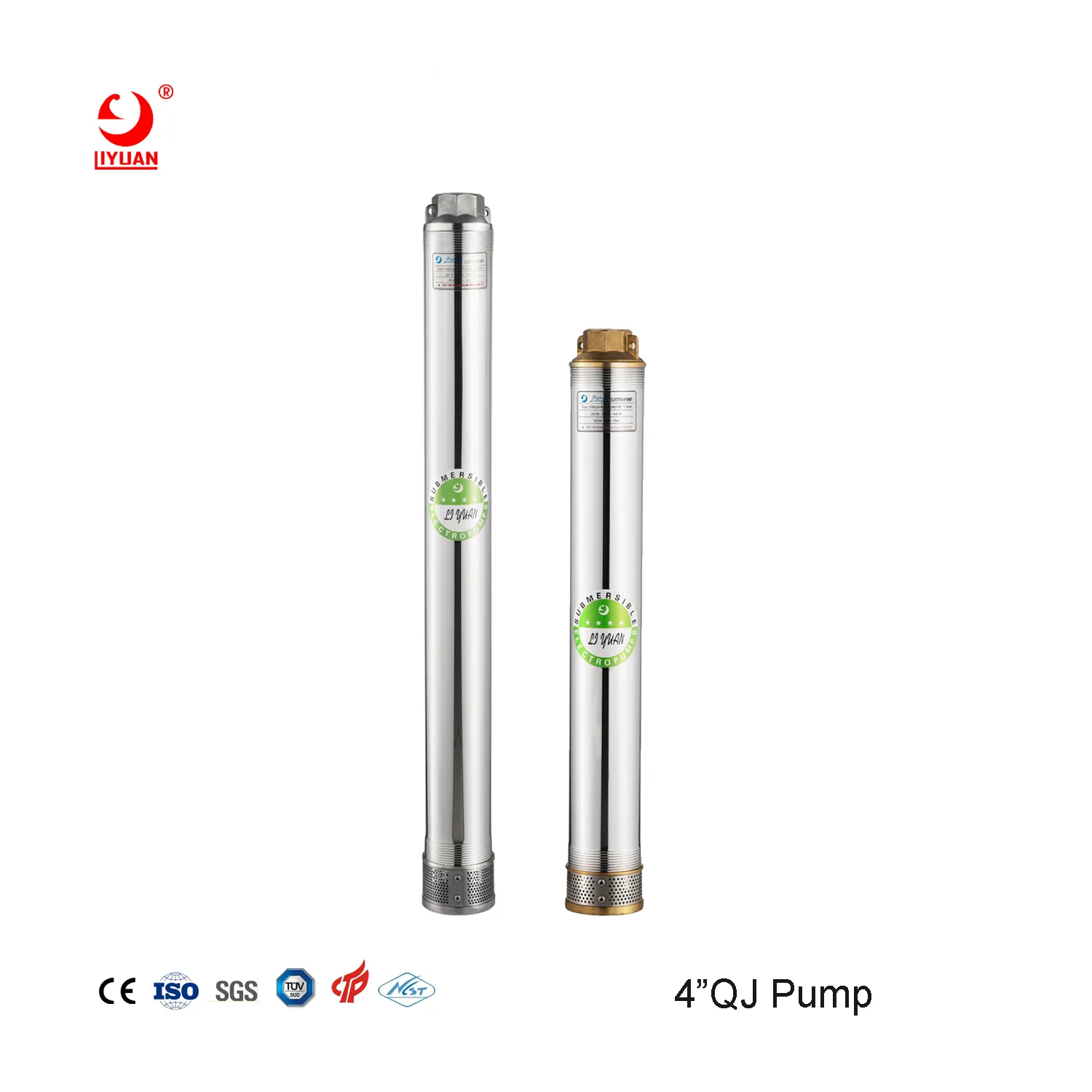
An electric submersible pump is a sealed pumping system designed to function entirely underwater. By placing the pump directly in the fluid source, ESPs eliminate suction limitations and improve hydraulic efficiency, making them ideal for deep or flooded environments.
Main Components of an ESP System
Submersible Motor – Provides continuous driving power
Pump Stages / Impellers – Generate flow and pressure
Mechanical Seals and Bearings – Protect internal components
Power Cable – Supplies electricity to the motor
Pump Housing – Shields the unit from external conditions
Typical Applications
Industrial dewatering and process water handling
Municipal wastewater and stormwater systems
Agricultural irrigation and drainage
Residential and commercial deep well water supply
Why Regular Maintenance Matters
Improved Efficiency
A well-maintained electric submersible pump operates closer to its design parameters, reducing energy consumption and maintaining consistent output.
Extended Equipment Life
Routine inspections and timely component replacement help prevent excessive wear, protecting critical parts such as impellers, seals, and motors.
Reduced Operating Costs
Preventive maintenance is significantly more cost-effective than emergency repairs or unplanned downtime, especially in continuous-duty applications.
Consequences of Poor Maintenance
Reduced flow due to clogging
Electrical failures and motor burnout
Seal damage leading to leakage
Unexpected system shutdowns
Daily and Weekly Maintenance Checks
Electrical Monitoring
Check voltage stability and current draw to detect early electrical issues.Operational Performance
Monitor flow rate, discharge pressure, and energy usage for abnormalities.Visual and Audible Inspection
Listen for unusual noise and observe vibration or overheating.Inlet Cleaning
Remove debris or sediment buildup that may restrict flow.
Monthly Maintenance Tasks
Inspect Electrical Connections
Clean terminals and ensure secure connections to prevent power loss.Seal and Gasket Inspection
Replace worn seals before leaks develop.Insulation Resistance Testing
Verify motor insulation integrity to avoid electrical failure.Protective Coating Check
Ensure corrosion-resistant coatings remain intact in aggressive environments.
Seasonal and Annual Maintenance
Comprehensive Cleaning
Remove scale, sediment, or biological growth from pump components.Component Replacement
Replace worn impellers, bearings, and seals as part of scheduled servicing.Motor Performance Testing
Conduct efficiency and load tests to identify hidden issues.System Calibration
Recalibrate sensors, controls, and protection devices for accurate operation.
Common ESP Problems and Solutions
Low Flow or Pressure Loss
Inspect impellers for wear
Check for blocked inlets or pipelines
Excessive Noise or Vibration
Examine alignment and mounting
Inspect bearings and rotating parts
Motor Overheating
Verify power supply conditions
Ensure adequate cooling and fluid flow
If problems persist, professional diagnosis is recommended to prevent further damage.
Advanced Maintenance for Demanding Conditions
High-Temperature or Corrosive Fluids
Use specialized materials and protective coatings to enhance durability.Additional Filtration
Install filtration systems to reduce abrasive particle damage.Condition Monitoring Systems
Implement real-time monitoring to track performance trends and detect faults early.
Improving Energy Efficiency
Variable Frequency Drives (VFDs)
Adjust pump speed according to demand to reduce energy consumption.Correct Pump Selection
Ensure the electric submersible water pump is properly sized for the application.Maintenance Records
Maintain detailed logs to support data-driven maintenance decisions.
When Replacement Becomes the Better Option
Even with proper care, electric submersible pumps will eventually reach the end of their service life. Consider replacement if you notice:
Frequent failures despite regular maintenance
Declining efficiency and rising energy costs
Severe damage to major components
Upgrading to a modern ESP system can significantly improve reliability and operating efficiency.
Conclusion
Electric submersible pumps are essential assets in many industries, but their long-term performance depends on consistent and structured maintenance. By implementing daily checks, scheduled inspections, and advanced monitoring strategies, you can maximize efficiency, reduce downtime, and extend the service life of your equipment.