Agricultural Applications of Deep Well Submersible Pumps
Efficient water management is the foundation of modern agriculture. In regions where surface water is limited or seasonal, deep well submersible pumps play a critical role in agricultural water supply systems. Designed to operate at significant depths, these pumps provide a reliable and energy-efficient solution for irrigation, livestock watering, and groundwater extraction.
What Is a Deep Well Submersible Pump?
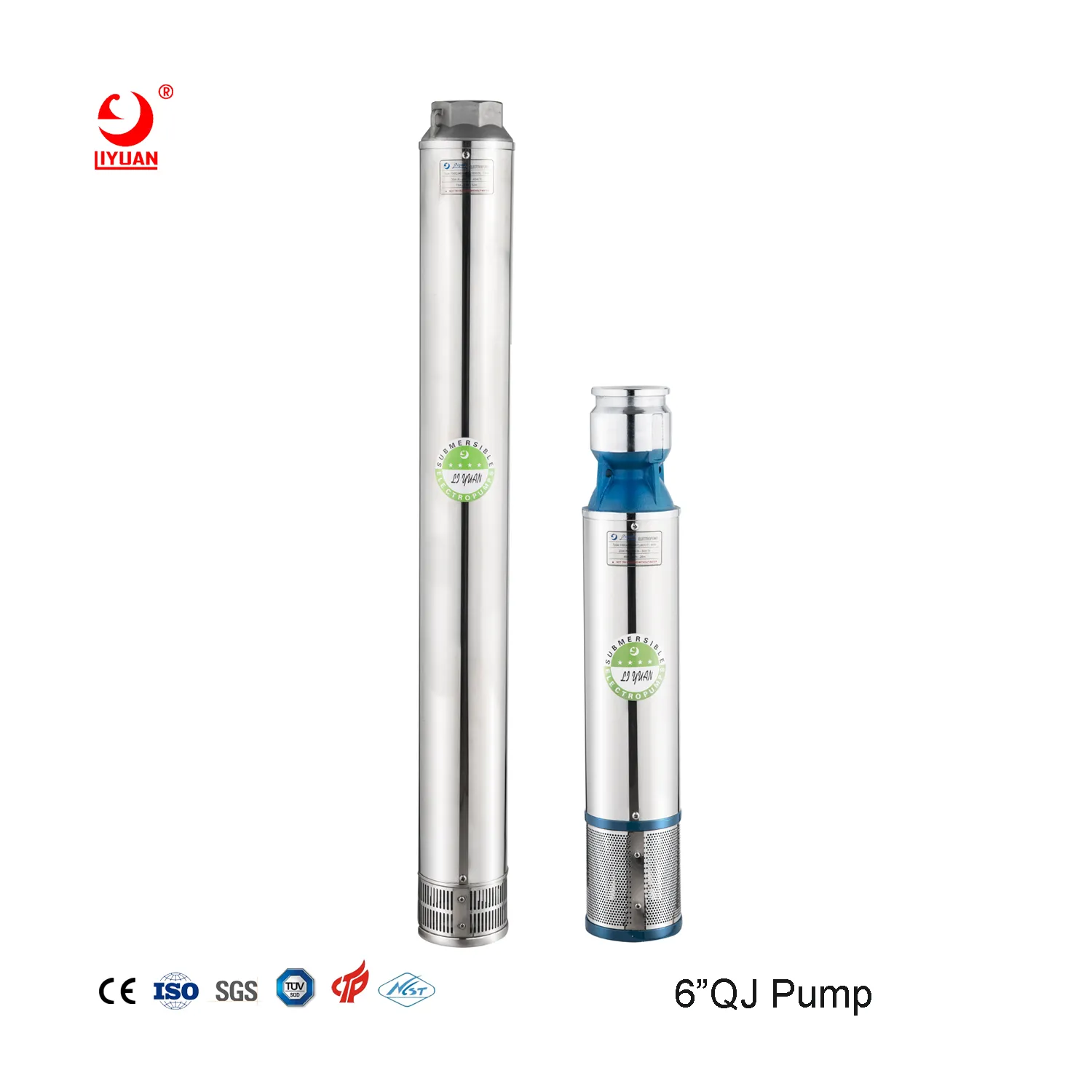
A deep well submersible pump is a type of submersible pump specifically engineered to lift water from deep underground sources such as boreholes and deep wells. The pump and motor are fully submerged below the water level, allowing the system to push water upward with high efficiency and stable pressure.
Compared with surface pumps, deep well pumps eliminate suction limitations and perform consistently even at depths exceeding 50 meters, making them ideal for agricultural applications.
Why Deep Well Submersible Pumps Are Essential for Agriculture
Agricultural operations often require large volumes of water delivered continuously and reliably. Deep well submersible pumps offer several advantages for farm use:
High lifting capacity for deep groundwater sources
Stable flow and pressure for irrigation systems
Energy-efficient operation with reduced power loss
Long service life under continuous working conditions
These features make deep well pumps a preferred choice for professional agricultural water management.
Major Agricultural Applications of Deep Well Submersible Pumps
1. Agricultural Irrigation from Deep Wells
Deep well submersible pumps are widely used in agricultural irrigation systems, especially in areas dependent on groundwater.
They supply water to:
Sprinkler irrigation systems
Drip irrigation networks
Large-scale field irrigation
By providing constant pressure and flow, deep well pumps help ensure uniform water distribution, improving crop growth and yield.
2. Groundwater Extraction for Farms and Plantations
For farms located in arid or semi-arid regions, groundwater is often the primary water source. Deep well pumps for agriculture are designed to handle long operating hours and variable water levels, ensuring reliable groundwater extraction throughout the growing season.
These pumps are commonly applied in:
Grain farms
Vegetable plantations
Orchards and vineyards
3. Livestock Water Supply Systems
A stable water supply is essential for livestock health and productivity. Deep well submersible pumps are used to deliver clean groundwater to cattle, poultry, and dairy farms. Their sealed motor design prevents contamination and ensures safe, hygienic water delivery.
4. Agricultural Drainage and Water Level Control
In addition to water supply, submersible pumps actively manage agricultural drainage by removing excess water from fields and farmlands. In low-lying farmland or areas prone to flooding, high-capacity submersible pumps help remove excess water, protect crops, and maintain optimal soil conditions.
5. Solar Deep Well Pump Solutions for Agriculture
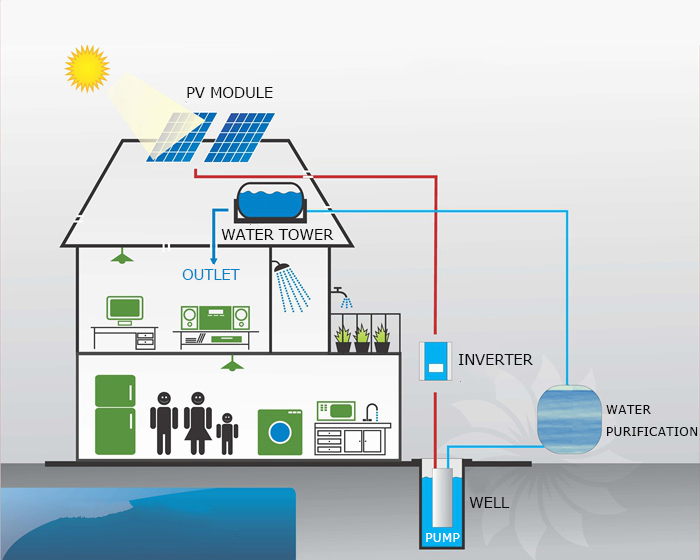
With increasing demand for sustainable farming, solar-powered deep well submersible pumps are gaining popularity. These systems are ideal for remote agricultural areas without stable electricity access.
Benefits include:
Lower operating costs
Reduced carbon emissions
Independent and off-grid water supply
Solar deep well pump systems are particularly suitable for irrigation and livestock watering in rural regions.
Key Benefits of Deep Well Submersible Pumps in Agricultural Use
Deep well submersible pumps offer clear advantages for agricultural applications:
High efficiency even at great depths
Reliable performance in continuous operation
Low maintenance requirements
Corrosion-resistant materials for long-term durability
Quiet operation, suitable for farm environments
These benefits help reduce downtime and overall operating costs for agricultural users.
How to Choose the Right Deep Well Pump for Agricultural Applications
When selecting a deep well submersible pump for agriculture, consider the following factors:
Well depth and static water level
Required flow rate and total head
Power supply (electric or solar)
Water quality and sand content
Daily irrigation or operating hours
Proper pump selection ensures optimal efficiency and extends the service life of the system.
Conclusion
The agricultural application of deep well submersible pumps is essential for modern, efficient, and sustainable farming. From irrigation and groundwater extraction to livestock watering and drainage, deep well pumps provide a dependable and cost-effective solution. As agricultural water demands continue to grow, deep well submersible pumps will remain a cornerstone of agricultural water supply systems.