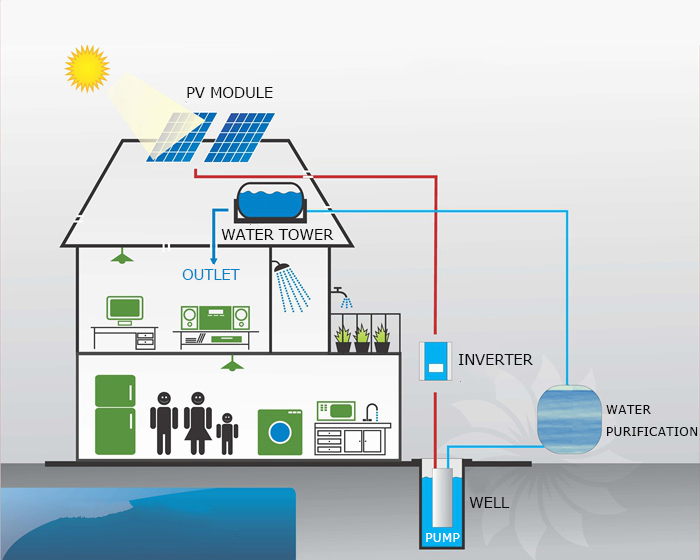
If your property relies on a private well, your entire water supply depends on the performance of a Submersible Well Water Pump. This essential piece of equipment lifts groundwater from deep underground and delivers it safely and efficiently into your home’s plumbing system.
Unlike surface pumps that pull water upward, a submersible groundwater pump operates beneath the water level and pushes water to the surface using internal pressure. This design makes it one of the most efficient and reliable deep well water pumping solutions available today.
What Is a Submersible Well Water Pump?
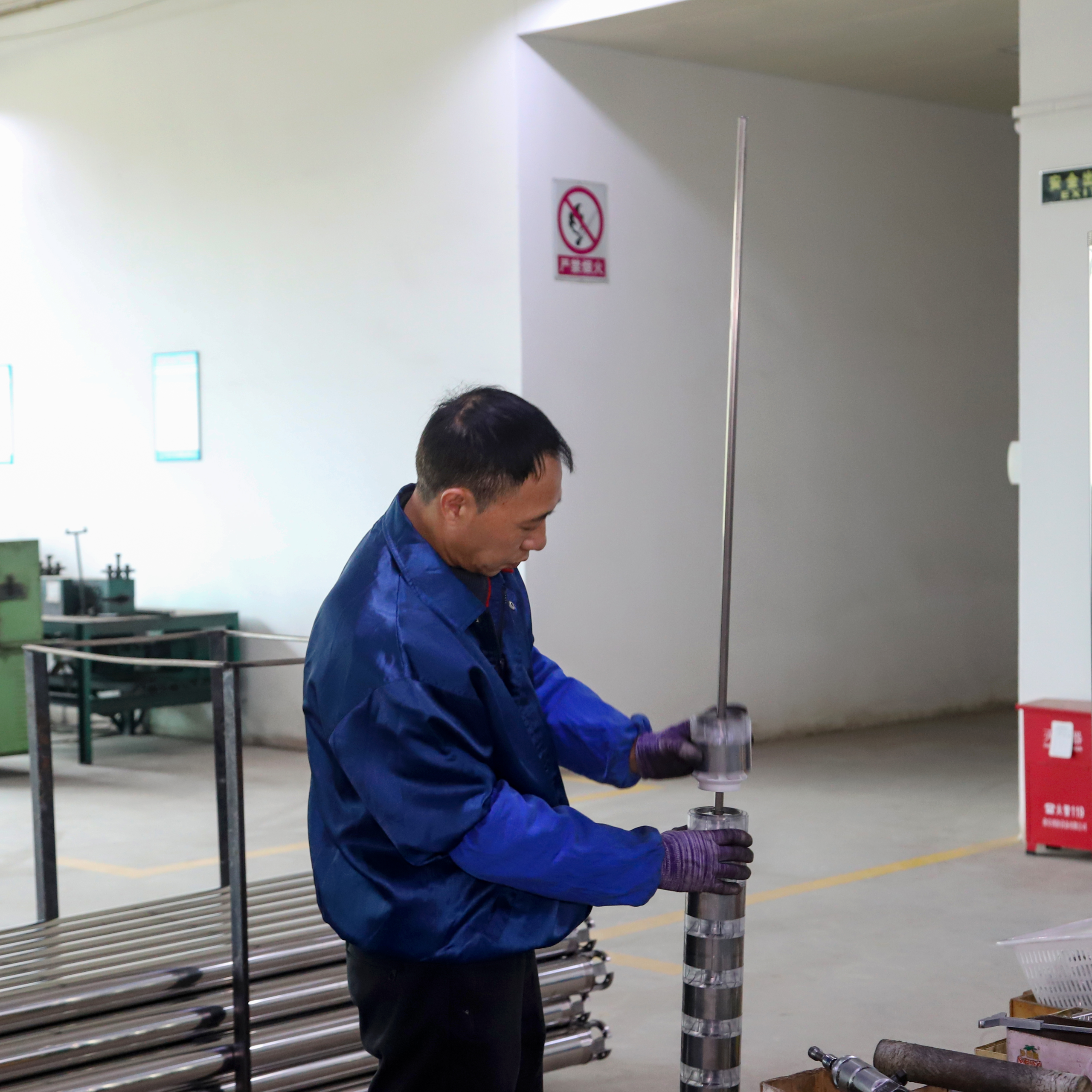
A Submersible well water pump is a sealed electric pumping unit installed below the water level inside a well casing. It combines a hermetically sealed motor and a multi-stage pump assembly in one compact cylindrical housing.
Because the motor operates underwater, it must be completely sealed to prevent electrical failure. These units are typically:
3–5 inches in diameter
2–4 feet long
Installed in wells ranging from 25 to over 400 feet deep
This type of electric well water pump is designed specifically for residential, agricultural, and light commercial groundwater extraction.
How a Deep Well Pump System Works
Understanding how a deep well pump works helps homeowners choose the right system.
Step 1: Pressure Switch Activation
When water pressure inside the pressure tank drops (for example, when you open a faucet), a pressure switch activates the electric motor.
Step 2: Multi-Stage Impeller Rotation
Inside the submersible borehole pump are multiple stacked impellers. As the motor spins, each impeller increases water pressure incrementally. This staged pressure buildup allows water to travel long vertical distances efficiently.
Step 3: Water Is Pushed Upward
Unlike jet pumps, which pull water, a submerged water pump pushes water upward through a drop pipe to the surface. This eliminates suction limitations.
Step 4: Pressure Tank Storage
Water enters a pressure tank where it is stored and pressurized. The tank reduces pump cycling and ensures consistent household water pressure.
Types of Submersible Well Water Pump
There are two primary categories:
1️⃣ Shallow Well Pumps
Designed for wells less than 25 feet deep. These are less common in modern residential systems.
2️⃣ Deep Well Pumps
Installed in wells deeper than 25 feet and often extending hundreds of feet underground. Most residential systems use deep well electric pumps.
Why Submersible Well Water Pump Are More Efficient Than Surface Pumps
Compared to above-ground jet pumps, submersible well water pumps offer significant advantages:
✔ No Priming Required
Surface pumps may lose prime. A submerged pump remains constantly primed.
✔ Higher Energy Efficiency
Pushing water upward is more energy-efficient than pulling.
✔ Reduced Cavitation
Cavitation — air bubble formation — damages surface pumps. A deep well pump operates below the water level, eliminating this risk.
✔ Longer Lifespan
A properly installed electric borehole pump can last 15–25 years with minimal maintenance.
✔ Quieter Operation
Because the unit is installed underground, operational noise is almost eliminated.
How to Size a Submerged Groundwater Pump
Proper sizing is critical. Installing an oversized pump can damage your well.
When selecting a residential Submerged water pump system, consider:
Well depth
Static water level
Recovery rate (well yield)
Household peak water demand
Total dynamic head (TDH)
Horsepower rating (HP)
⚠ Important rule: Never exceed your well’s sustainable yield unless using additional storage capacity.
Key Components of a Submersible Well Water Pump System
Electric well water pump
A complete system includes:
Submerged electric pump unit
Drop pipe
Check valve
Electrical cable
Pressure switch
Pressure tank
Control box (in some models)
Together, these components form a fully integrated deep well water delivery system.
Common Applications
A Submersible groundwater pump is commonly used in:
Residential homes
Ranch properties
Small commercial buildings
Remote properties without municipal water
In agricultural settings, deep well water pumps provide reliable irrigation under continuous-duty conditions.
Maintenance and Service Life
Although these pumps are designed for long-term operation, periodic system inspection is recommended.
Typical lifespan:
15–25 years under normal operating conditions
Longer with proper sizing and stable power supply
Signs of failure include:
Reduced water pressure
Air sputtering from faucets
Frequent cycling
Higher electricity bills
Why a Submersible Well Water Pump Is the Best Choice
Your well pump is the heart of your water supply system. A properly selected submersible well water pump offers:
Stable pressure
High efficiency
Minimal maintenance
Long service life
Superior deep-water performance