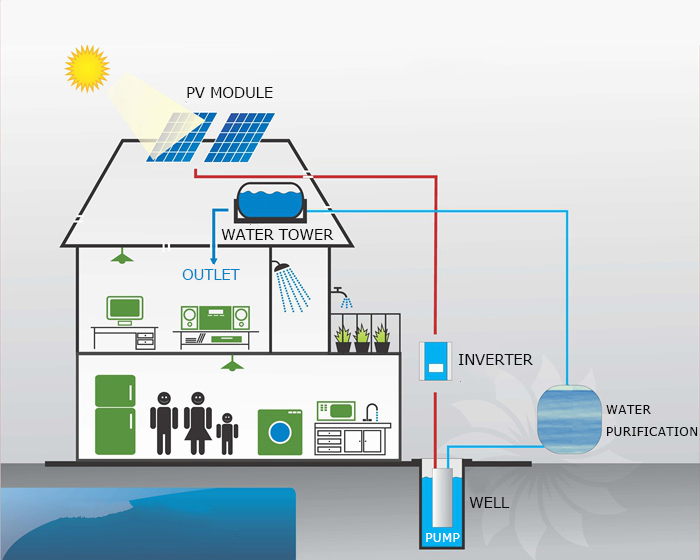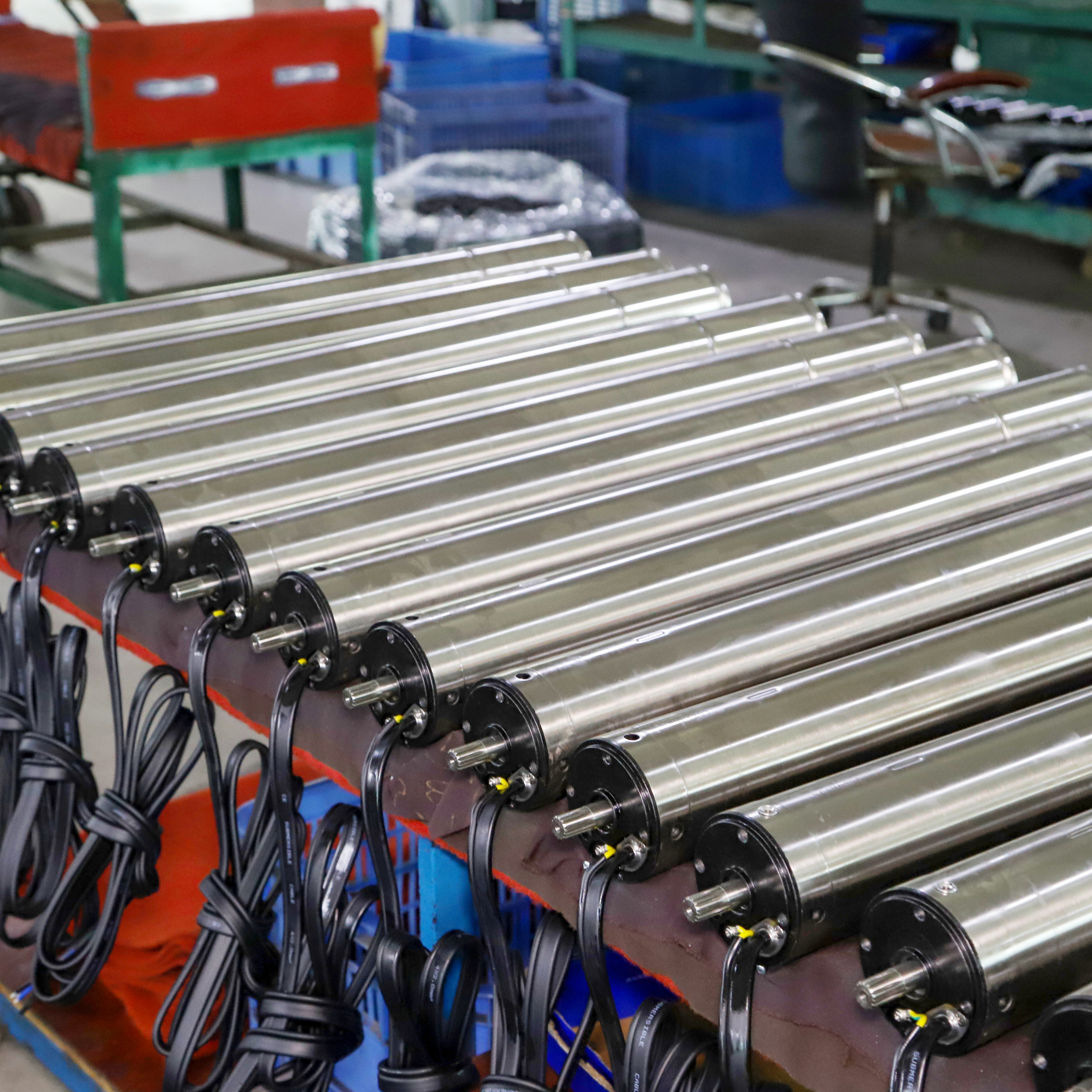
Submersible Motor Is The Core Driving Component Inside A Deep Well, Borehole, Or Underwater Pumping System. It Operates Fully Submerged In Water And Converts Electrical Energy Into Mechanical Power To Drive The Pump Stages. Because The Motor Works Below The Water Level, It Benefits From Efficient Cooling, Quiet Operation, And Reliable Long-Term Performance In Demanding Environments. This Makes The Electric Submersible Motor A Preferred Choice For Agricultural Irrigation, Residential Wells, Industrial Water Transfer, And Municipal Water Supply.
For Buyers, Engineers, And Distributors, Choosing The Right Submersible Motor Manufacturer Is Just As Important As Choosing The Right Motor Specification. A Well-Built Deep Well Submersible Motor Can Improve Pump Efficiency, Reduce Downtime, And Extend Service Life. A Poorly Matched Motor Can Lead To Overheating, Unstable Flow, Insulation Damage, And Costly Pull-Out Maintenance.
What Is A Submersible Motor?
A Submersible Motor Is A Hermetically Sealed Electric Motor Designed To Run While Fully Immersed In Liquid. It Is Commonly Used In Deep Well Pumps, Borehole Pump Systems, And Other Underwater Pumping Applications. Unlike Surface Motors, It Is Installed Directly Downhole, Where It Drives The Pump Impellers And Pushes Water Upward Through The Discharge Pipeline.
Common Related Terms Include:
- Electric Submersible Motor
- Underwater Motor
- Deep Well Motor
- Borehole Motor
- Submersible Pump Motor
- Water-Filled Submersible Motor
- Oil-Filled Submersible Motor
These Terms Often Overlap In Industrial And Export Markets, But They All Refer To Motor Systems Built For Submerged Pumping Duty.
How Does A Submersible Motor Work?
The Working Principle Of A Submersible Motor Is Straightforward. When Electrical Power Reaches The Stator Windings, The Motor Generates A Rotating Magnetic Field. This Field Drives The Rotor, Which Turns The Shaft Connected To The Pump Stages. As The Shaft Rotates, The Pump Impellers Lift Water From Underground To The Surface.
Because The Motor Is Surrounded By Water, Heat Dissipates Efficiently During Operation. This Liquid-Cooling Effect Helps The Motor Maintain Thermal Balance Under Continuous Duty. Compared With Many Surface-Mounted Systems, A Submerged Motor Setup Offers Lower Noise, Stable Torque, Reduced Suction Limitations, And Lower Cavitation Risk.
Why Submersible Motors Are Widely Used
A High-Quality Submersible Motor Is Widely Used Because It Combines Compact Design With Strong Hydraulic Performance. In Many Wells And Pumping Stations, There Is No Practical Alternative That Delivers The Same Vertical Lifting Efficiency And Space-Saving Installation.
Key Advantages Of A Submersible Motor
1. Efficient Cooling
A Submerged Motor Uses The Surrounding Liquid For Cooling, Which Improves Thermal Stability And Supports Long Operating Cycles.
2. High System Efficiency
Because The Motor Is Directly Coupled To The Pump, There Are Fewer Transmission Losses. This Helps Improve Overall Pumping Efficiency.
3. Quiet Operation
Since The Motor Runs Below Ground Or Below Water Level, Operating Noise Is Much Lower Than Many Above-Ground Pump Systems.
4. Better Performance In Deep Wells
A Deep Well Submersible Motor Eliminates Suction Lift Limitations, Which Is Critical In High-Head Groundwater Extraction.
5. Strong Durability
Many Modern Motors Use Stainless Steel Housings, Sealed Structures, Heavy-Duty Thrust Bearings, And Corrosion-Resistant Materials For Harsh Water Environments.
Common Types Of Submersible Motors
Choosing The Right Motor Starts With Understanding The Main Product Categories.
Water-Filled Submersible Motor
A Water-Filled Submersible Motor Is Often Selected For Clean Water Applications. It Offers Efficient Heat Transfer And Is Commonly Used In Standard Well Systems. Some Designs Are Built With Sealed Lubrication Structures And Non-Polluting Operation For Water Sources.
Oil-Filled Submersible Motor
An Oil-Filled Submersible Motor Is Often Preferred For Heavier-Duty Applications. It Can Provide Strong Lubrication, Stable Bearing Protection, And Reliable Performance In More Demanding Operating Conditions.
By Diameter
Motor Diameter Should Match The Well Casing And Leave Enough Annular Space For Cooling Flow.
- 4 Inch Submersible Motor – Common For Residential Wells
- 6 Inch Submersible Motor – Common For Farms And Light Industry
- 8 Inch Submersible Motor – Suitable For Municipal And High-Flow Systems
- 10 Inch Submersible Motor – Suitable For Heavy-Duty Pumping
- 12 Inch Submersible Motor – Suitable For Very Large-Capacity Water Systems
By Electrical Configuration
- Single Phase Submersible Motor
- Three Phase Submersible Motor
- 50Hz Or 60Hz Submersible Motor
- Customized Voltage Submersible Motor
Main Applications Of Submersible Motors
A Reliable Submersible Motor Manufacturer Should Support Multiple Industries Because Water Conditions, Duty Cycles, And Installation Requirements Vary Widely.
Residential Water Wells
For Domestic Water Supply, A 4 Inch Submersible Motor Is A Common Solution In Narrow Well Casings And Household Groundwater Systems.
Agricultural Irrigation
A Borehole Submersible Motor Is Widely Used In Farms, Irrigation Wells, And Rural Water Delivery Because It Can Support Stable Flow And Long Working Hours.
Industrial Water Transfer
Industrial Users Often Need Stainless Steel Submersible Motors That Can Handle Continuous Duty, Higher Loads, And More Aggressive Water Conditions.
Municipal Water Supply
Municipal Projects Rely On Larger Electric Submersible Motors For Waterworks, Booster Systems, And Long-Duty Infrastructure Use.
How To Choose The Right Submersible Motor
This Is The Part Many Buyers Care About Most. A Good Submersible Motor Supplier Should Not Only Sell Motors, But Also Help You Match The Correct Model.
Match Motor Diameter To Well Size
The Motor Must Fit The Borehole Diameter With Enough Clearance For Cooling Flow. Oversized Motors Can Cause Installation Problems And Poor Thermal Management.
Match Power To Pump Demand
Motor Power Should Match The Pump Curve, Total Dynamic Head, And Required Flow Rate. An Undersized Motor May Overload. An Oversized Motor May Waste Energy.
Confirm Voltage, Frequency, And Phase
The Motor Must Match The Local Power Supply, Including Voltage, Phase, And Frequency. Incorrect Power Conditions Are A Common Cause Of Early Motor Failure.
Consider Water Quality
Water Quality Affects Material Selection. Sandy Wells, Corrosive Water, Hot Water, And Aggressive Fluids May Require Stronger Materials, Special Seals, Or Customized Construction.
Check Duty Cycle
If The Motor Will Run For Long Periods, Choose A Model Designed For Continuous Duty. This Matters In Irrigation, Municipal Supply, And Industrial Pumping.
Evaluate Protection Features
A Better Underwater Motor Usually Includes Features Such As Thrust Bearing Support, Sealing Protection, Stable Cable Sealing, Moisture Resistance, And Dry-Running Protection.
Why Source From A China Submersible Motor Manufacturer?
China Remains One Of The Most Important Global Sourcing Bases For Submersible Motors Because Buyers Can Often Access Broader Product Ranges, Flexible Customization, Scalable Production, And Better Project Pricing.
For Importers And Distributors, A Capable China Submersible Motor Manufacturer Can Offer:
- Multiple Motor Sizes
- OEM And Private Label Support
- Voltage And Frequency Customization
- Material Customization
- Fast Sample Or Bulk Response
- Technical Selection Support
- Integrated Pump And Controller Solutions
For B2B Buyers, The Best Supplier Is Not Always The Cheapest One. The Better Choice Is Usually The Factory That Understands Pump Matching, Well Conditions, Insulation Reliability, Sealing Design, And After-Sales Engineering Support.
Why Liyuan Is Positioned Well In The Submersible Motor Market
Liyuan Is A Long-Established Chinese Manufacturer In The Submersible Pump And Motor Field. The Company Has Strong Experience In Submersible Water Pump Production And Offers Multiple Motor Sizes For Residential, Agricultural, Industrial, And Municipal Applications. Its Product Range Covers Common Market Demands Such As 4 Inch, 6 Inch, 8 Inch, 10 Inch, And 12 Inch Submersible Motor Solutions, Along With Customization Support For Different Voltage, Frequency, And Application Requirements.
Liyuan Also Highlights Quality Manufacturing, Product Customization, And Export-Oriented Service. For Global Buyers, These Are Important Trust Signals Because They Reflect Both Production Capability And Real Application Knowledge. A Manufacturer That Understands Well Diameter, Head, Flow Rate, Material Selection, And Continuous Duty Performance Can Provide Better Long-Term Value Than A Supplier Focused Only On Low Pricing.
What Buyers Should Ask Before Ordering
Before Placing An Order With Any Submersible Motor Manufacturer, Ask These Questions:
- What Well Diameter Is The Motor Designed For?
- What Flow And Head Will The Pump System Need?
- Is The Motor Single Phase Or Three Phase?
- Is It 50Hz Or 60Hz?
- Is The Motor Water-Filled Or Oil-Filled?
- What Is The Material Of The Housing And Shaft?
- Is It Suitable For Sand, Hot Water, Or Corrosive Liquid?
- What Protection Features Are Included?
- Can The Factory Support OEM Branding?
- What Certificates And Testing Process Are Available?
These Questions Help Avoid Mismatched Products And Reduce Project Risk.
FAQ About Submersible Motors
What Is The Difference Between A Submersible Motor And A Surface Motor?
A Submersible Motor Runs Underwater And Directly Drives The Pump In The Well. A Surface Motor Stays Above Ground And Depends On Suction Lift, Which Can Reduce Efficiency In Deep Well Applications.
Which Is Better, Water-Filled Or Oil-Filled Submersible Motor?
It Depends On The Application. Water-Filled Motors Are Often Chosen For Clean Water And Environmentally Sensitive Use. Oil-Filled Motors Are Often Selected For Stronger Lubrication And Heavy-Duty Load Conditions.
What Size Submersible Motor Do I Need?
That Depends On Your Well Casing, Required Flow, Total Head, And Pump Curve. Common Sizes Include 4 Inch, 6 Inch, 8 Inch, 10 Inch, And 12 Inch.
Can A Submersible Motor Be Customized?
Yes. Many Factories Offer Custom Voltage, Material, And Application-Based Options To Meet Different Market Needs.
Are Stainless Steel Submersible Motors Better?
For Many Applications, Stainless Steel Construction Improves Corrosion Resistance And Long-Term Durability, Especially In Challenging Water Environments.
How Long Does A Submersible Motor Last?
Service Life Depends On Motor Quality, Installation, Water Quality, Cooling Conditions, Electrical Stability, And Maintenance Practices. Proper Matching And Preventive Inspection Can Significantly Extend Operating Life.
Conclusion
A Submersible Motor Is More Than Just A Component Inside A Pump System. It Is The Power Source That Determines Efficiency, Reliability, And Long-Term Operating Cost. Whether You Need A 4 Inch Submersible Motor For Residential Wells, A 6 Inch Borehole Motor For Irrigation, Or A Larger Industrial Submersible Motor For Municipal Or Heavy-Duty Projects, The Key Is Choosing The Right Specification And The Right Manufacturer.
For Global Buyers, Distributors, And OEM Partners, Working With An Experienced China Submersible Motor Manufacturer Can Bring Better Product Matching, Stronger Customization Support, And More Stable Project Supply. A Factory That Understands Well Conditions, Power Requirements, Material Selection, And Continuous-Duty Performance Will Always Create More Long-Term Value Than A Supplier That Only Competes On Price.
If Your Goal Is To Source A Reliable Submersible Motor For Deep Wells, Boreholes, Irrigation Systems, Or Industrial Pumping, Then You Should Start With The Basics. First, Focus On The Key Technical Factors, Including Diameter, Power, Voltage, Water Conditions, And Duty Cycle. Next, Make Sure The Submersible Motor Matches The Specific Demands Of Your Water Pumping System And Operating Environment. In Addition, It Is Essential To Evaluate Motor Performance, Efficiency, And Long-Term Reliability Before Making A Final Decision. More Importantly, You Should Choose A Trusted Submersible Motor Manufacturer With Real Production Experience, Strong Technical Support, And A Proven Product Range. After All, The Right Manufacturer Can Help You Improve Pumping Efficiency, Reduce Maintenance Costs, And Ensure Stable Performance In Deep Well, Borehole, Agricultural, And Industrial Applications.