Water Pump With Solar Power Is A Smart And Cost-Effective Solution For Moving Water In Places Where Grid Electricity Is Expensive, Unstable, Or Unavailable. Whether You Need Water For Irrigation, Livestock, Household Supply, Deep Wells, Ponds, Or Remote Agricultural Land, A Solar Powered Water Pump Can Deliver Reliable Performance With Low Operating Costs.
As More Farms, Homes, And Commercial Projects Look For Energy-Efficient Equipment, Solar Water Pumping Systems Have Become A Popular Choice. They Combine Clean Energy, Long-Term Savings, And Flexible Installation. From Small DC Solar Pumps To High-Capacity Solar Well Pumps, These Systems Help Users Access Water Without Relying On Fuel Or Traditional Power Sources.
This Guide Explains How A Solar Water Pump Works, Where It Is Used, Its Main Benefits, The Different Types Available, And How To Choose The Right System For Your Needs.
What Is A Water Pump With Solar Power?
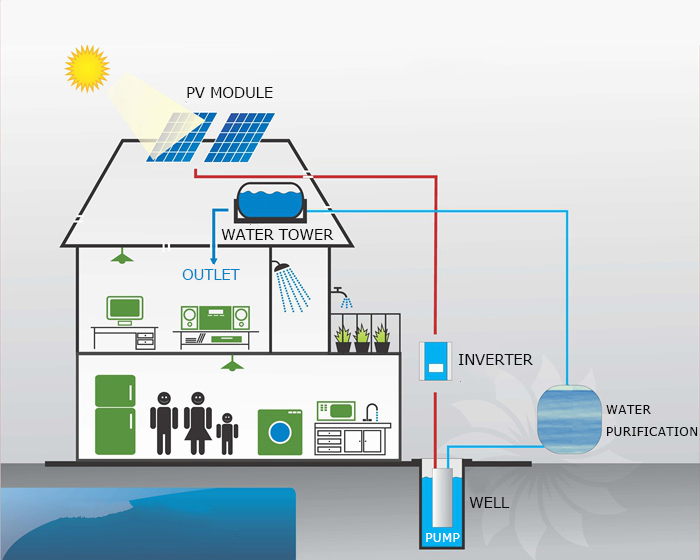
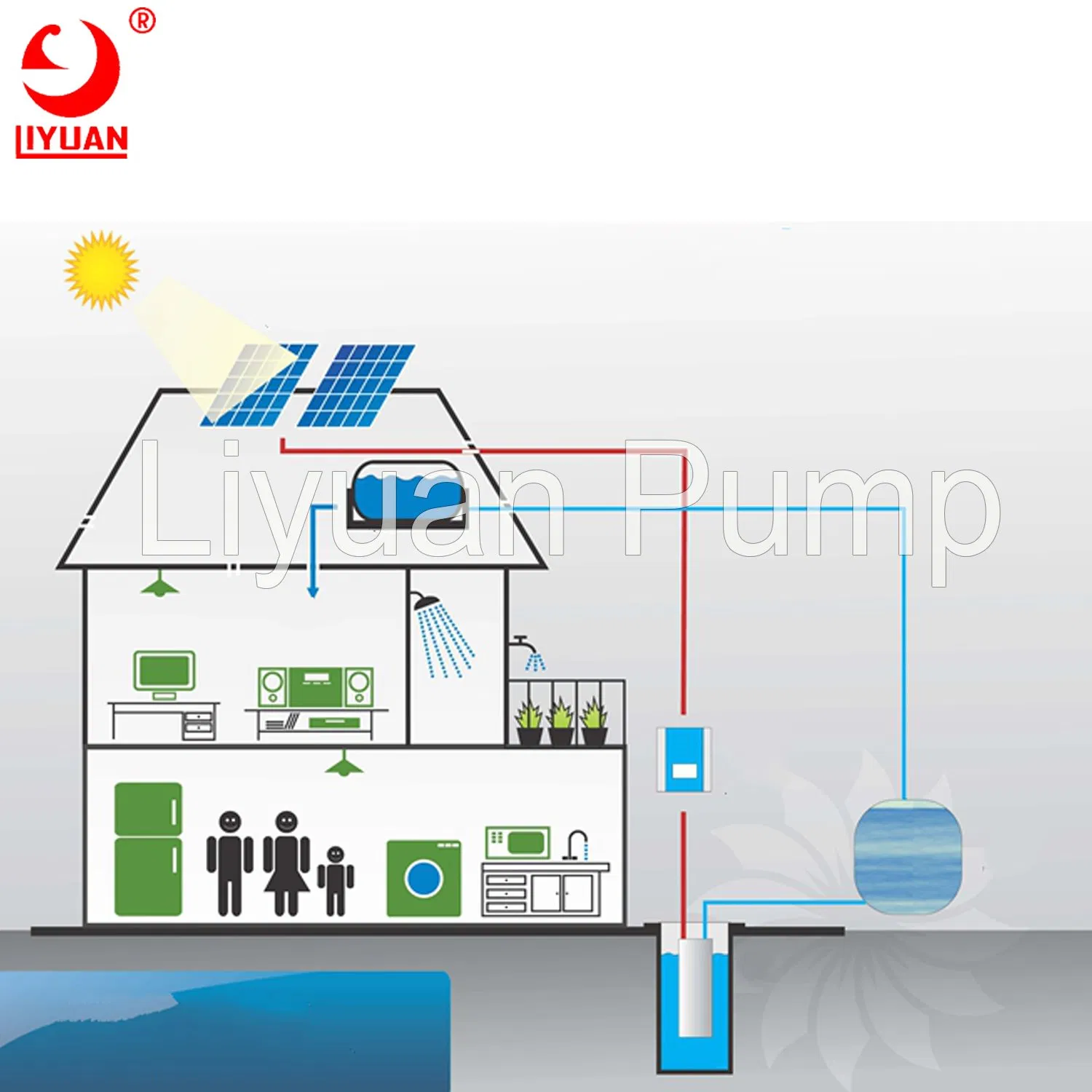
A Water Pump With Solar Power Is A Pumping System That Uses Energy From Sunlight To Move Water. It Usually Includes Solar Panels, A Controller Or Inverter, And A Pump Motor. Instead Of Running On Diesel Or Standard Utility Power, The System Converts Solar Energy Into Electricity To Drive The Pump.
You May Also See Similar Terms Such As Solar Powered Water Pump, Solar Water Pump System, Photovoltaic Water Pump, Solar Well Pump, Solar Irrigation Pump, Off-Grid Water Pump, Solar Borehole Pump, Solar Submersible Pump, And Solar Surface Pump. These Terms Often Overlap, But They Can Also Refer To Specific Designs Or Applications.
In Simple Terms, The Solar Array Collects Sunlight, The Controller Regulates The Power, And The Pump Lifts, Transfers, Or Circulates Water. This Makes Solar Pumping An Excellent Option For Rural Areas, Farms, Gardens, Ranches, Construction Sites, And Remote Water Supply Projects.
How A Solar Powered Water Pump Works
A Solar Powered Pumping System Starts With Photovoltaic Panels. These Panels Absorb Sunlight And Generate Direct Current Electricity. The Power Then Flows To A Controller, Which Optimizes Pump Operation And Protects The Motor From Voltage Fluctuations, Dry Running, Or Overload.
Depending On The Design, The System May Use:
DC Solar Water Pump
A DC Solar Water Pump Runs Directly On The Power Produced By Solar Panels. It Is Common In Small To Medium Systems Because It Is Efficient, Simple, And Easy To Install.
AC Solar Water Pump
An AC Solar Water Pump Uses An Inverter To Convert Solar DC Power Into AC Power. This Setup Is Often Used For Larger Water Pumping Equipment Or In Projects That Already Use AC Motors.
Solar Submersible Pump
A Solar Submersible Pump Works Underwater, Usually Inside A Well, Borehole, Or Water Tank. It Pushes Water Upward And Is Often Chosen For Deep Water Sources.
Solar Surface Pump
A Solar Surface Pump Stays Above Ground And Pulls Water From A Shallow Source Such As A Pond, River, Lake, Canal, Or Storage Tank. It Works Well For Water Transfer, Boosting, And Irrigation.
When Sunlight Increases, The System Produces More Power And Pump Performance Improves. Some Advanced Systems Also Include Batteries Or Hybrid Power Support, But Many Solar Pumping Installations Run Effectively Without Battery Storage By Pumping Water Into A Tank For Later Use.
Key Benefits Of Solar Water Pumping Systems
A Solar Water Pumping System Offers More Than Just Energy Savings. It Can Also Improve Water Access, Reduce Maintenance, And Support Sustainable Operations.
Lower Operating Costs
Once Installed, A Solar Pump System Uses Free Energy From The Sun. This Greatly Reduces Electricity Bills And Eliminates Fuel Costs Associated With Diesel Pumps.
Reliable Off-Grid Water Supply
In Remote Locations, A Solar Driven Water Pump Can Provide A Dependable Water Source Without The Need For Grid Extension Or Frequent Fuel Delivery.
Clean And Sustainable Energy
A Solar Powered Water Pump Uses Renewable Energy And Produces No Direct Emissions During Operation. This Makes It A Better Choice For Eco-Friendly Projects And Green Infrastructure.
Low Maintenance
Most Solar Pumping Units Have Fewer Moving Parts Than Fuel-Based Systems. With Proper Installation And Routine Inspection, They Can Operate For Many Years With Minimal Maintenance.
Wide Range Of Applications
From Agricultural Irrigation To Livestock Watering And Residential Water Supply, Solar Pump Technology Works In Many Environments.
Long-Term Return On Investment
Although The Initial Purchase Cost May Be Higher Than Some Conventional Pumps, The Long-Term Savings Often Make Solar Water Pump Solutions More Economical Over Time.
Common Applications Of Solar Powered Water Pumps
A Water Pump Powered By Solar Energy Is Used In Many Industries And Daily Water Supply Scenarios.
Agricultural Irrigation
Farmers Use Solar Irrigation Pumps To Move Water From Wells, Boreholes, Rivers, Or Reservoirs To Crops. This Helps Reduce Energy Costs And Supports Irrigation In Off-Grid Areas.
Livestock Watering
Ranches And Remote Grazing Areas Often Use Solar Livestock Water Pumps To Supply Clean Water For Cattle, Sheep, Horses, And Other Animals.
Residential Water Supply
A Solar Well Water Pump Can Deliver Water For Homes, Cabins, Vacation Properties, And Rural Households Where Grid Power Is Limited Or Unstable.
Borehole And Deep Well Pumping
A Solar Borehole Pump Or Solar Deep Well Pump Is Ideal For Extracting Groundwater From Narrow Or Deep Water Sources.
Garden And Landscape Irrigation
A Small Solar Water Pump Can Be Used For Drip Irrigation, Garden Watering, Greenhouses, And Landscape Maintenance.
Pond, Tank, And Water Transfer
Solar Transfer Pumps Help Move Water Between Tanks, Ponds, Storage Systems, And Treatment Units.
Community And Commercial Water Projects
Larger Solar Pump Installations Support Schools, Clinics, Villages, Construction Sites, And Small Industrial Facilities That Need Steady Water Delivery.
Types Of Solar Water Pumps
Choosing The Right Type Of Solar Pump Matters Because Different Water Sources And Flow Requirements Need Different Pump Designs.
Submersible Solar Pumps
Submersible Models Work Underwater And Are Often Used In Deep Wells And Boreholes. They Are Efficient For High Head Applications And Help Push Water Upward Over Long Vertical Distances.
Best For:
Deep Wells
Boreholes
Underground Water Extraction
Long-Distance Vertical Pumping
Surface Solar Pumps
Surface Models Stay Above Ground And Draw Water From Shallow Sources. They Are Easy To Access For Maintenance And Work Well For Water Transfer Or Pressure Boosting.
Best For:
Shallow Wells
Ponds
Lakes
Rivers
Storage Tanks
Canal Irrigation
DC Brushless Solar Pumps
Brushless DC Pumps Offer High Efficiency, Quiet Operation, And Longer Service Life. They Are Popular In Modern Solar Pumping Equipment.
Best For:
Efficient Daily Operation
Low Maintenance Systems
Residential And Agricultural Use
Hybrid Solar Pump Systems
Hybrid Solar Water Pumps Can Work With Solar Power And Grid Electricity Or Generators. This Improves Reliability In Areas With Changing Weather Or Higher Water Demand.
Best For:
Commercial Projects
High Water Demand
Backup Power Needs
How To Choose The Right Solar Powered Water Pump
Selecting The Best Water Pump With Solar Power Depends On More Than Just Pump Size. You Need To Match The System To Your Real Water Demand And Site Conditions.
Understand Your Water Source
Start By Identifying Whether The Water Comes From A Deep Well, Borehole, Shallow Well, River, Pond, Or Tank. This Determines Whether You Need A Solar Submersible Pump Or A Solar Surface Pump.
Calculate Flow Rate
Flow Rate Refers To How Much Water You Need Per Hour Or Per Day. A Farm Irrigation Project Needs A Very Different Pump Capacity Than A Small Garden Or Household Water System.
Check Total Head
Total Head Includes The Vertical Lift, Friction Loss In Pipes, And Any Additional Pressure Requirement. A High Head Solar Pump Is Needed When Water Must Travel Long Distances Or Rise From Deep Underground.
Match Solar Panel Capacity
The Solar Array Must Provide Enough Power For The Pump Motor. Undersized Panels Can Reduce Water Output, While Proper Sizing Helps The System Run Efficiently.
Consider Weather And Sunlight
Local Solar Conditions Affect Performance. Areas With Strong Sunlight Usually Get Better Daily Water Yield. In Less Sunny Regions, You May Need More Panels Or A Hybrid Configuration.
Choose Durable Materials
For Long Service Life, Look For Stainless Steel Components, Corrosion-Resistant Parts, High-Quality Seals, And Reliable Motor Protection.
Look For Smart Protection Features
Modern Solar Pump Controllers Often Include Dry Run Protection, Overvoltage Protection, Low Water Detection, Overload Protection, And Automatic Start-Stop Functions.
Solar Water Pump Vs Traditional Electric Or Diesel Pump
A Solar Powered Water Pump Offers Several Advantages Over Conventional Systems, But The Best Choice Depends On The Application.
Solar Pump Advantages
Lower Energy Costs
No Fuel Dependence
Ideal For Off-Grid Use
Cleaner Operation
Lower Daily Maintenance
Traditional Pump Advantages
Stable Output At Any Time Of Day
May Have Lower Upfront Cost In Some Cases
Can Be Better For Very High Continuous Demand Without Storage Design
In Many Cases, Solar Water Pump Systems Win On Long-Term Value, Especially In Agriculture, Remote Homes, Rural Water Supply, And Places With Expensive Electricity Or Limited Infrastructure.
Installation Tips For Better Performance
Proper Installation Can Improve Efficiency, Reliability, And Pump Life.
Place Solar Panels Where They Receive Maximum Sunlight Throughout The Day. Avoid Shade From Trees, Buildings, Or Structures. Use The Correct Mounting Angle Based On Local Solar Conditions. Keep Wiring Safe, Dry, And Properly Sized To Minimize Power Loss.
Install The Pump According To The Water Source And Manufacturer Recommendations. For Deep Wells, Make Sure The Submersible Pump Is Placed At The Right Depth. For Surface Pumps, Keep Suction Conditions Within The Recommended Range.
It Is Also Important To Use The Right Pipe Size, Storage Tank Capacity, And Pump Controller Settings. A Well-Matched System Delivers Better Water Output And Reduces Stress On The Motor.
Maintenance Of A Solar Powered Water Pump
Solar Water Pump Maintenance Is Usually Simple, But Regular Care Helps Protect Performance.
Clean The Solar Panels So Dust, Dirt, Or Debris Does Not Block Sunlight. Check Electrical Connections For Loose Wires Or Corrosion. Inspect Pipes, Valves, And Fittings For Leaks. Make Sure The Pump Does Not Run Dry And Confirm That The Controller Is Working Correctly.
For Well Systems, Periodically Check Water Level Changes, Sand Content, And Pump Efficiency. For Surface Pumps, Keep The Intake Clear And Protect The Unit From Flooding Or Debris Buildup.
Routine Inspection Helps Extend Service Life And Supports Stable Water Delivery.
Why Solar Water Pumps Are Growing In Popularity
The Demand For Solar Pump Technology Continues To Rise Because Users Want Lower Costs, Energy Independence, And Sustainable Water Management. Agriculture, Rural Development, Livestock Farming, Landscaping, And Residential Water Projects All Benefit From Clean, Reliable Pumping Solutions.
As Solar Panels Become More Affordable And Pump Controllers Become Smarter, Water Pump Systems With Solar Power Are Becoming More Efficient And Easier To Install. Businesses And Property Owners Now Have More Choices In Pump Capacity, Head Range, Flow Performance, And Control Features.
This Shift Makes Solar Water Pumping Not Only An Eco-Friendly Option But Also A Practical Investment For Long-Term Water Supply.
Frequently Asked Questions
Is A Solar Powered Water Pump Good For Deep Wells?
Yes. A Solar Deep Well Pump Or Solar Borehole Pump Is Designed To Lift Water From Significant Depths. The Right Model Depends On Total Head, Required Flow, And Available Sunlight.
Can A Solar Water Pump Work Without Batteries?
Yes. Many Systems Work Without Batteries By Pumping Water During The Day And Storing It In A Tank For Use Later. This Is Often More Efficient And More Affordable Than Battery Storage.
What Is The Difference Between A Solar Submersible Pump And A Solar Surface Pump?
A Solar Submersible Pump Operates Underwater And Pushes Water Up. A Solar Surface Pump Stays Above Ground And Pulls Water From A Shallow Source.
Is A Solar Irrigation Pump Worth It?
For Many Farms And Remote Irrigation Projects, Yes. A Solar Irrigation Water Pump Can Lower Long-Term Energy Costs And Deliver Reliable Water In Off-Grid Locations.
How Long Does A Solar Water Pump Last?
A High-Quality Solar Pumping System Can Last Many Years When It Is Properly Sized, Correctly Installed, And Regularly Maintained.
Final Thoughts
A Water Pump With Solar Power Is One Of The Most Practical Ways To Move Water Efficiently While Reducing Energy Costs And Dependence On Traditional Power Sources. Whether You Need A Solar Well Pump, A Photovoltaic Water Pump, A Solar Irrigation System, Or An Off-Grid Water Supply Solution, The Right Setup Can Deliver Reliable Performance For Years.
By Choosing The Correct Pump Type, Matching Flow And Head Requirements, And Using High-Quality Components, You Can Build A Solar Water Pump System That Supports Agriculture, Home Water Supply, Livestock Watering, Landscape Irrigation, And Commercial Water Transfer With Excellent Long-Term Value.