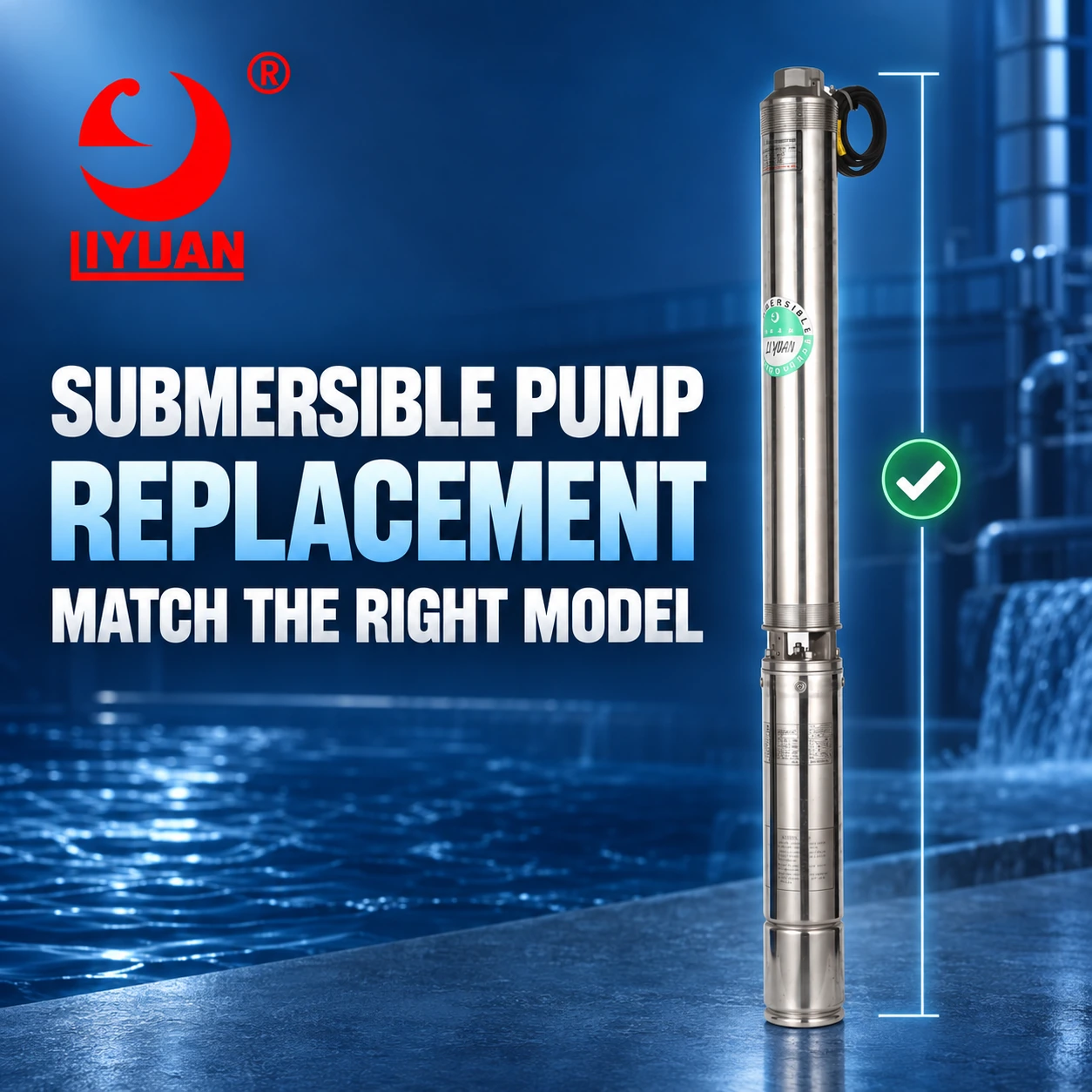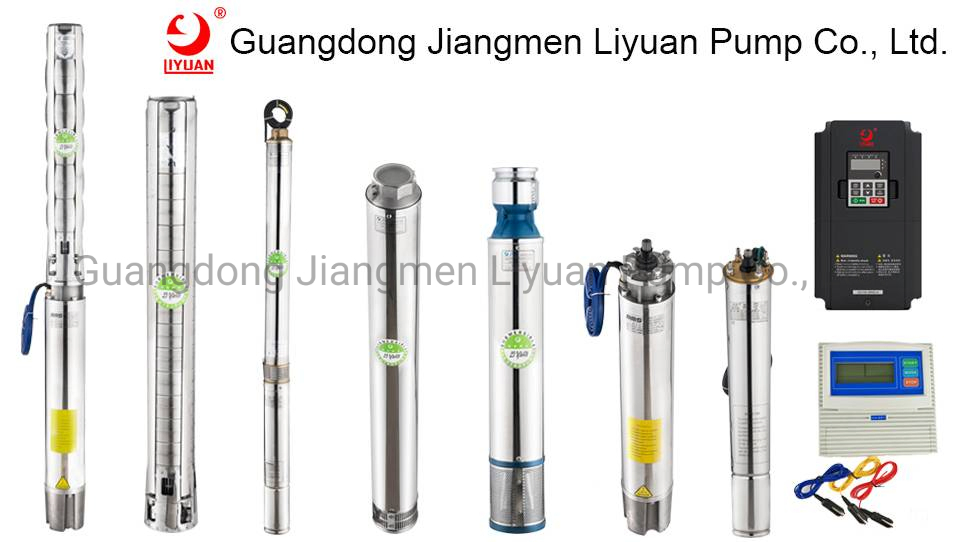
Pump Motor is one of the most important parts of any pumping system because it provides the power needed to move water or other liquids efficiently. Whether used in residential water supply, agricultural irrigation, industrial processing, or deep well pumping, the motor directly affects pump performance, energy efficiency, and long-term reliability.
In the pump industry, a Pump Motor may also be described as an Electric Pump Motor, Water Pump Motor, Motor For Pump, Pump Drive Motor, Or Pumping Motor, depending on the application. For buyers, engineers, and equipment manufacturers, understanding how a pump motor works helps improve system selection, maintenance planning, and overall operating efficiency.
What Is A Pump Motor
A Pump Motor is the power unit that drives a pump and converts electrical energy or mechanical energy into rotational motion. This motion turns the pump shaft and impeller, allowing the pump to move water, chemicals, wastewater, oil, or other fluids.
A pump motor is commonly used in:
Water Pump Systems
Submersible Pump Systems
Booster Pumps
Centrifugal Pumps
Sewage Pumps
Industrial Transfer Pumps
Deep Well Pump Systems
Without a reliable Motor For Pump operation, even a high-quality pump cannot perform correctly.
How A Pump Motor Works
A Pump Motor works by producing rotational force that drives the internal moving parts of the pump. In most electric pump systems, the motor receives electrical power and converts that power into mechanical energy. The motor shaft then transfers torque to the pump impeller, which creates the pressure and flow needed to move liquid.
In a typical Electric Pump Motor system, the operating process includes:
Electrical Power Input
Motor Rotation
Shaft Transmission
Impeller Movement
Liquid Transfer
Because the motor is directly tied to pump output, the correct motor size and speed are critical for proper system performance.
Main Types Of Pump Motors
There are several common types of Pump Motors, and each type is designed for specific operating conditions and system requirements.
Electric Pump Motor
An Electric Pump Motor is the most common type used in residential, commercial, agricultural, and industrial pumping systems. It is powered by electricity and is widely used because of its efficiency, stable operation, and broad availability.
Submersible Pump Motor
A Submersible Pump Motor is designed to operate underwater as part of a submersible pump system. It is commonly used in:
Deep Well Pumps
Borehole Pumps
Sewage Pumps
Drainage Pumps
A Submersible Water Pump Motors is sealed to prevent water ingress and is built for long-term underwater operation.
Surface Pump Motors
A Surface Pump Motors is installed above ground and is commonly used in centrifugal pumps, jet pumps, booster pumps, and irrigation pump systems.
AC Pump Motors
An AC Pump Motors operates on alternating current and is widely used in standard industrial and residential pumping systems.
DC Pump Motors
A DC Pump Motors operates on direct current and is commonly used in small pumps, battery-powered pumps, and solar water pumping systems.
Pump Motor Types By Application
Different pumping environments require different Pump Motors designs. Choosing the right motor depends on the liquid type, installation method, power supply, and working conditions.
Water Pump Motors
Engineers Use Water Pump Motors In Domestic, Agricultural, And Commercial Water Systems To Transfer Clean Water.
Irrigation Pump Motors
Engineers Select Irrigation Pumps Motors For Agricultural Water Pumping Systems Because These Motors Deliver Durability, Efficiency, And Long Operating Hours.
Deep Well Pump Motors
Deep Well Pump Motors is designed for underground water extraction and is usually paired with a submersible pump.
Booster Pump Motors
Booster Pump Motors is used to increase water pressure in homes, commercial buildings, and pressure systems.
Industrial Pump Motors
An Industrial Pump Motors is built for more demanding environments such as chemical transfer, processing plants, manufacturing systems, and heavy-duty water movement.
Key Components Of A Pump Motor
A typical Pumps Motors includes several important internal and external components that affect performance and reliability.
Stator
The stator creates the magnetic field needed for motor operation.
Rotor
The rotor rotates inside the motor and transfers torque to the shaft.
Shaft
The shaft connects the motors to the pump and transmits rotational motion.
Bearings
Bearings support the rotating shaft and reduce friction during operation.
Winding System
The electrical winding system is essential for generating motor power and ensuring proper performance.
Motor Housing
The housing protects internal components from dust, moisture, and mechanical damage.
In submersible applications, the Pump Motors Housing must also provide reliable sealing and corrosion resistance.
Common Power Options For Pump Motors
A Pump Drive Motors can operate using different power systems depending on the application.
Common motor power options include:
Single Phase Pump Motors
Three Phase Pump Motors
DC Pump Motors
Solar Pump Motors
Generator Powered Pump Motors
Homeowners And Small Commercial Facilities Use Single Phase Water Pump Motors, While Industrial And Agricultural Operations Prefer Three Phase Pumps Motors.
How To Choose The Right Pump Motor
Selecting the correct Pumps Drive Motor is one of the most important steps in building a reliable pumping system. The wrong motor can cause poor efficiency, overheating, unstable pressure, or premature failure.
Important selection factors include:
Motor Power Rating
The motors must match the pumps load and system duty requirements.
Voltage And Frequency
The motor must be compatible with the available power supply.
Speed And RPM
The motor speed affects the pump’s flow and pressure performance.
Installation Environment
The application may require a waterproof, submersible, dustproof, or explosion-resistant design.
Duty Cycle
Some systems require intermittent use, while others require continuous operation.
Liquid Type
The Type Of Liquid Being Pumped Influences Motor Protection Needs, Especially In Corrosive Or Contaminated Environments.
A properly matched Motor For Pumps improves both performance and service life.
Pump Motor Efficiency And Performance
The efficiency of a Pumps Drive Motor has a direct effect on power consumption and operating cost. A more efficient motor can reduce energy waste and improve total system performance.
Factors that affect Pumps Motor Efficiency include:
Motor Design Quality
Material Selection
Power Supply Stability
Bearing Condition
Cooling Performance
Proper Motor And Pumps Matching
In high-use applications, choosing an energy-efficient Water Pumps Motor can significantly reduce long-term operating expenses.
Common Pump Motor Problems
Like any mechanical and electrical component, a Pumps Motor can develop problems over time. Common issues include:
Motor Overheating
Bearing Failure
Winding Damage
Low Insulation Resistance
Shaft Misalignment
Voltage Imbalance
Water Ingress In Submersible Motors
Excessive Noise Or Vibration
Starting Failure
Regular maintenance and correct system design can help reduce these risks.
Pump Motor Maintenance Tips
Proper maintenance helps extend the life of a Pumps Motor and improves system reliability.
Recommended maintenance practices include:
Check Electrical Connections
Monitor Voltage And Current
Inspect Bearings
Watch For Overheating
Keep The Motor Clean
Check Insulation Resistance
Inspect Seals In Submersible Motors
Monitor Vibration And Noise
Confirm Proper Cooling Conditions
Routine maintenance is especially important for Industrial Pump Motors, Irrigation Pump Motors, And Deep Well Pump Motors that operate for long periods.
Applications Of Pump Motors
Industries Use Pumps Water Motors In Many Water Systems Because Pumps Play An Essential Role In Fluid Movement Across Modern Infrastructure.
Common applications include:
Residential Water Supply
Agricultural Irrigation
Deep Well Water Systems
Borehole Pumping
Industrial Liquid Transfer
Wastewater Systems
Sewage Treatment
Booster Pressure Systems
Fire Protection Pumps
Solar Water Pump Systems
Because of this wide application range, the Pumps Water Motors remains one of the most important components in water and fluid handling systems.
Why Pump Motor Quality Matters
The quality of a Pump Water Motors directly affects system stability, energy use, and service life. A poor-quality motor may cause:
Frequent Failure
High Energy Consumption
Unstable Performance
Pump Damage
Expensive Downtime
Increased Maintenance Cost
A high-quality Electric Pump Water Motors helps ensure smoother operation, better thermal performance, and stronger long-term reliability.
Conclusion
A Pump For Motors is the driving force behind every effective pumping system. Whether used as a Water Pump For Motors, Submersible Pump For Motors, Irrigation Pump For Motors, Deep Well Pump For Motors, Or Industrial Pump For Motors, it plays a central role in moving liquids safely and efficiently.
Understanding Pump Motors types, components, applications, and selection factors helps buyers and engineers choose better systems and achieve stronger long-term performance. With the right motors design, correct power matching, and proper maintenance, a pumps system can deliver reliable service across residential, agricultural, commercial, and industrial applications.
 Request Finish Swatches & Project Pricing
 Request Finish Swatches & Project Pricing
 For export quotations, bulk orders, or project cooperation, Get in Touch with our sales team.
Email:Liyuan@liyuan-pump.com
WhatsApp:+86 181-2828-2767