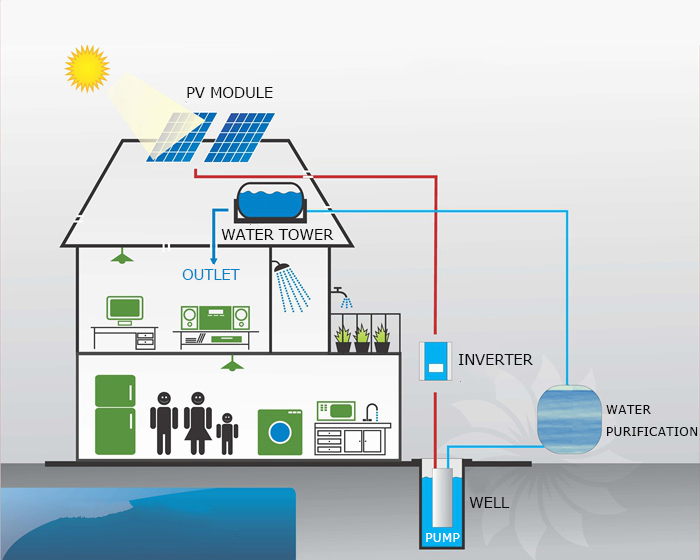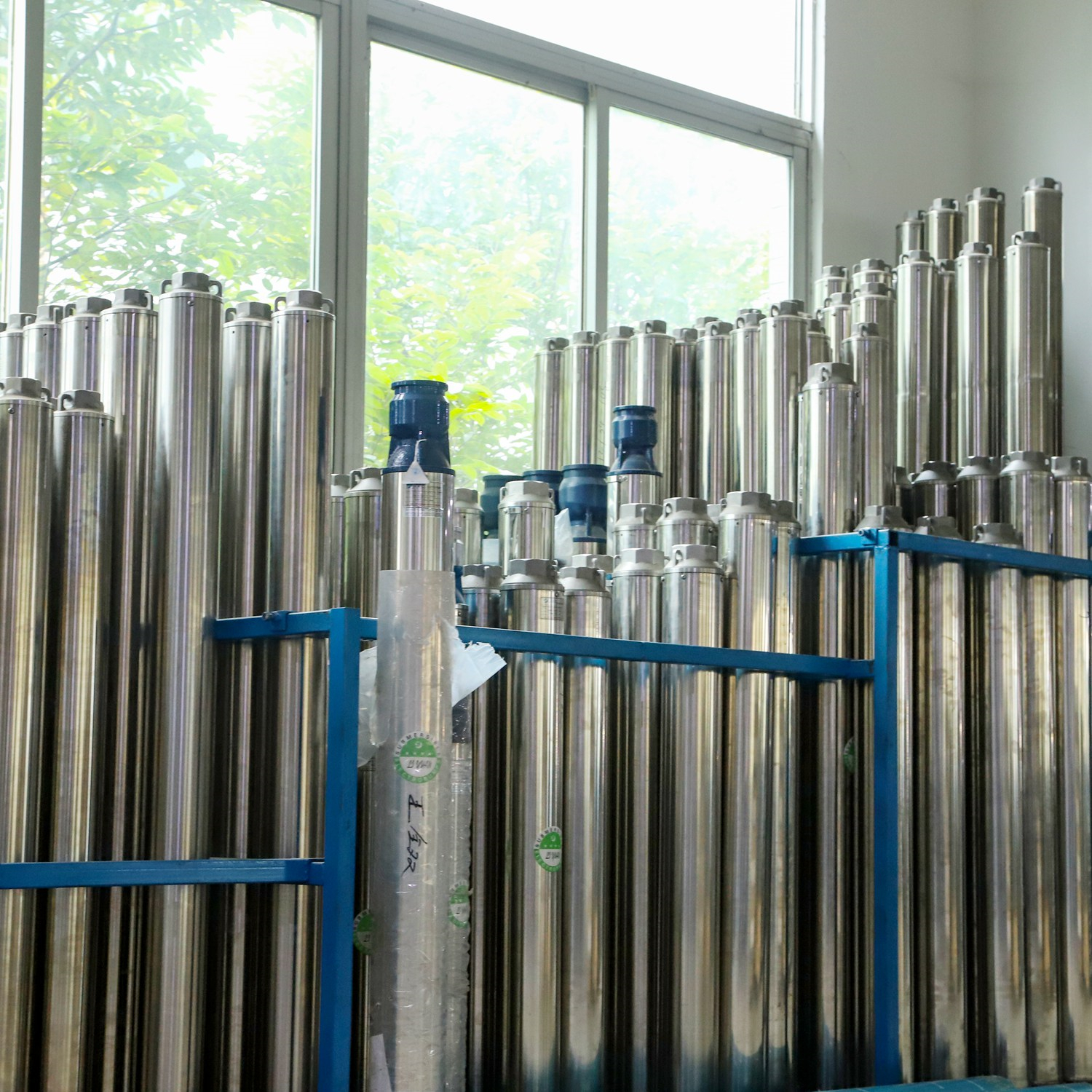
How To Install Submersible Pump (Step-By-Step Guide)
Installing Submersible Pump Correctly Ensures Reliable Water Removal, Efficient Drainage, And Long Service Life. Whether You Are Installing A Submersible Water Pump, Deep Well Pump, Or Sump Pump System, Following Proper Installation Procedures Prevents Common Failures And Costly Downtime.
This Guide Explains How To Install A Submersible Pump Safely And Efficiently, Even If You Are New To Pump Installation.
Why Submersible Water Pumps Are Easy To Install And Deploy
Submersible Water Pump Is Designed To Operate Fully Underwater Using A Hermetically Sealed Motor That Drives Internal Impellers. Because The Pump Pushes Water Upward Instead Of Pulling It, Installation Is Typically Faster And More Reliable Than Surface Pump Setups.
As Noted In The Source Material, Submersible Pumps Feature A Compact, Self-Contained Design That Eliminates Priming And Reduces Air-Locking, Making Them Highly Efficient For Emergency And Fast Deployment Scenarios.
Key Advantages Of Modern Submersible Pump Systems
No Priming Required
Reduced Risk Of Cavitation
Quiet Underwater Operation
Faster Setup In Pits And Basins
High Efficiency Water Transfer
Tools And Materials Needed For Submersible Pump Installation
Before Installing Your Submersible Sump Pump Or Deep Well Pump, Prepare The Following:
Heavy-Duty Outdoor Extension Cord
Discharge Hose Or PVC Pipe (2-Inch Recommended)
GFCI-Protected Power Outlet
Hose Clamps Or Threaded Fittings
Safety Gloves And Protective Gear
Rope Or Lifting Cable (Recommended)
Pre-Installation Checklist For Electric Submersible Pumps
✔ Inspect Pump Housing
✔ Verify Float Switch Movement
✔ Clear Debris From Sump Or Pit
✔ Confirm Correct Voltage Supply
✔ Check Discharge Route
Proper Preparation Ensures Your Submersible Pump Installation Goes Smoothly The First Time.
Step-By-Step Guide: How To Install A Submersible Well Pump
Follow This Proven Installation Process Used By Professionals.
Step 1: Position And Lower The Pump
Carefully Lower The Submersible Water Pump Into The Sump Basin, Pit, Trench, Or Well.
Best Practices:
Use The Pump Handle Or Lifting Rope
Never Drop The Pump
Keep The Pump Upright
Ensure Stable Bottom Placement
⚠️ Avoid Suspending The Pump By The Power Cable.
Step 2: Connect The Discharge Line
Attach The Discharge Hose Or PVC Pipe To The Pump Outlet.
Installation Tips:
Use A Properly Sized Hose (Commonly 2″)
Tighten Hose Clamps Securely
Route Water To A Safe Drainage Area
Avoid Sharp Bends In The Pipe
A Properly Installed Discharge Line Ensures Maximum Flow Efficiency.
Step 3: Check The Float Switch Operation
Most Modern Automatic Submersible Pumps Include A Float Switch For Water-Level Control.
According To The Source, Pumps Equipped With Built-In Float Switches Allow Automatic Water-Level Monitoring And Unsupervised Operation, Which Is Especially Useful In Sump Basins.
Verify:
Float Moves Freely
No Obstructions
Proper On/Off Travel
Cable Not Tangled
Step 4: Connect Power Safely
Plug The Pump Into A GFCI-Protected Outlet.
Electrical Safety Rules:
Match Voltage And Frequency
Use Outdoor-Rated Cords
Keep Connections Dry
Avoid Overloaded Circuits
Once Powered, The Electric Submersible Pump Should Start Automatically When Water Reaches The Activation Level.
Step 5: Test Initial Pump Performance
Run The Pump For Several Minutes And Monitor Operation.
Check For:
Smooth Startup
Strong Water Discharge
No Unusual Vibration
Proper Automatic Cycling
Leak-Free Connections
Early Testing Prevents Future System Failures.
Common Installation Mistakes To Avoid
Even Experienced Installers Sometimes Overlook These Issues.
❌ Frequent Errors
Installing On Uneven Surfaces
Using Undersized Discharge Pipe
Ignoring Float Switch Clearance
Poor Electrical Protection
Allowing Dry Running
Improper Pump Sizing
Avoiding These Mistakes Will Significantly Extend Submersible Pump Lifespan.
Applications Of Submersible Pump Systems
A Properly Installed Underwater Pump Supports Many Industries.
Residential Uses
Flooded Basement Drainage
Sump Pit Water Removal
Well Water Supply
Pond And Fountain Circulation
Commercial & Industrial Uses
Construction Site Dewatering
Stormwater Management
Utility Vault Drainage
Agricultural Irrigation
Mining And Trench Pumping
Because They Can Operate Continuously With Proper Cooling, Submersible Pumps Are Ideal For Stormwater Removal, Irrigation Drainage, And Emergency Water Control.
Maintenance Tips After Installation
To Maximize The Life Of Your Deep Well Submersible Pump, Follow These Best Practices:
✔ Inspect Power Cable Regularly
✔ Clean Intake Screen
✔ Test Float Switch Monthly
✔ Monitor Operating Current
✔ Check Discharge Flow
✔ Prevent Dry Running
✔ Schedule Periodic Performance Checks
Proper Maintenance Ensures Long-Term Reliability And Efficiency.
Final Thoughts: Install Once, Pump Reliably
Learning How To Install A Submersible Pump Correctly Saves Time, Prevents Failures, And Ensures Dependable Water Removal When It Matters Most. With Proper Setup, A High-Quality Submersible Water Pump Delivers:
Fast Deployment
Continuous Operation
Energy-Efficient Performance
Long Service Life
Whether You Are Managing A Flooded Basement, Deep Well System, Or Construction Site, Correct Installation Is The Foundation Of Reliable Pumping Performance.
 Request Finish Swatches & Project Pricing
 Request Finish Swatches & Project Pricing
 For export quotations, bulk orders, or project cooperation, Get in Touch with our sales team.
Email:Liyuan@liyuan-pump.com
WhatsApp:+86 181-2828-2767