Well Pumps are essential for moving water from underground sources to homes, farms, irrigation systems, and commercial properties. Whether the water comes from a shallow well, deep well, or borehole, the pump system plays a critical role in delivering reliable water pressure and stable water supply.
For homeowners, contractors, agricultural users, and project buyers, understanding Well Pumps is important when selecting a system for domestic water use, farm irrigation, livestock supply, or industrial water transfer. In the water pumping industry, well pumps are also commonly described as water well pumps, deep well pumps, submersible well pumps, borehole pumps, or well water pump systems, depending on the application and installation method.
What Are Well Pumps
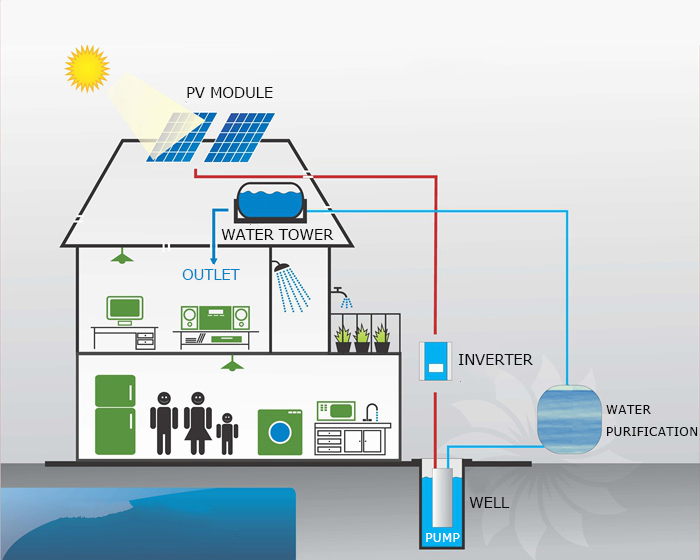
Well Pumps are mechanical pumping systems designed to draw or push water from a well to a storage tank, pressure tank, irrigation line, or water distribution system. These pumps are widely used wherever groundwater is the primary water source.
A typical well water pump system may include:
Water Pump
Electric Motor
Pressure Switch
Pressure Tank
Piping And Valves
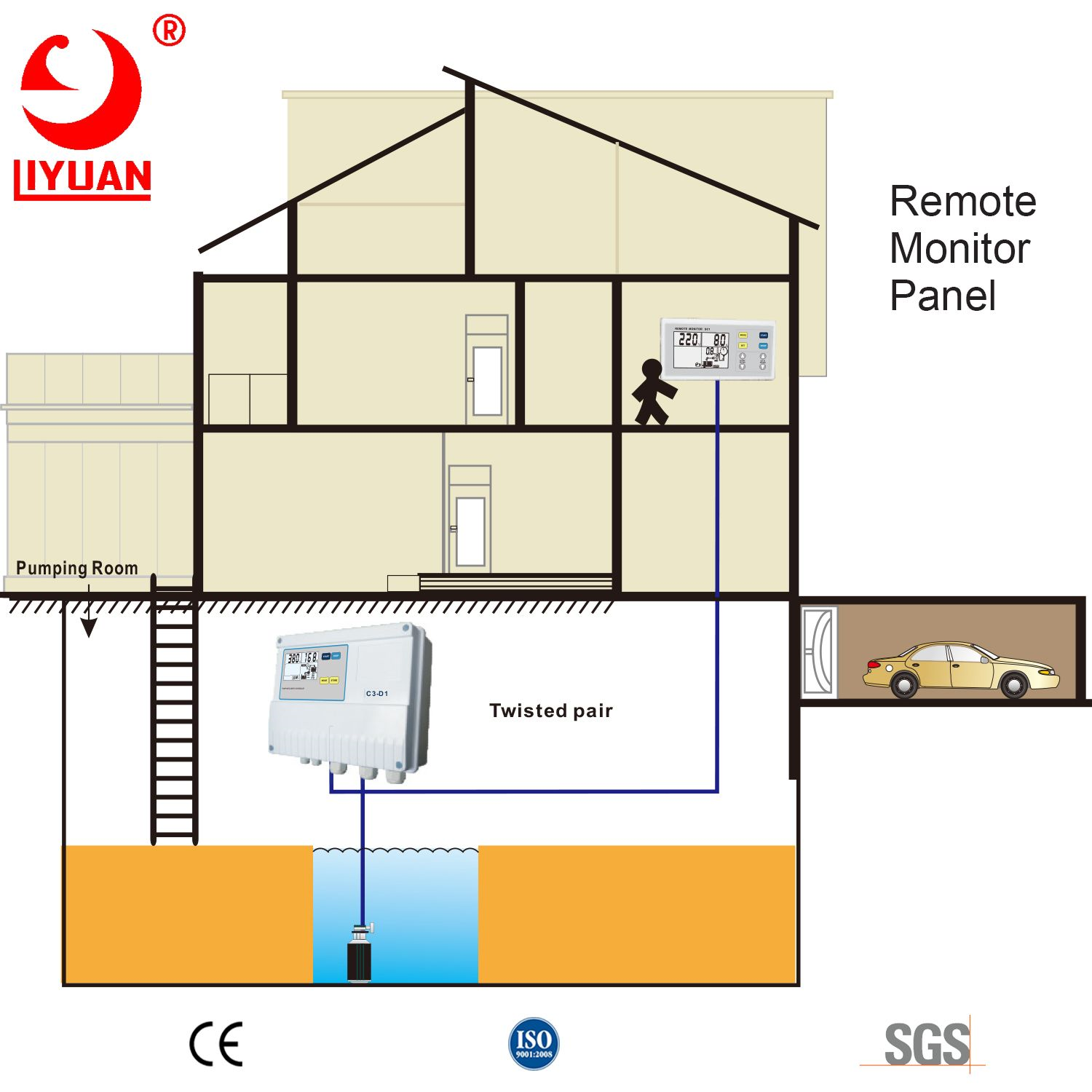
Control Box Or Pump Controller
The exact system design depends on well depth, flow requirements, and intended water use.
How Well Pumps Work
Well Pumps work by moving groundwater from below the surface to the point of use. The operating method depends on the pump type.
A submersible well pump is installed inside the well and pushes water upward. A jet pump is usually installed above ground and pulls water through suction. In deeper applications, a deep well submersible pump is often the preferred solution because it provides better efficiency and more reliable water delivery.
Once the pump is activated, water moves through the discharge pipe into a pressure tank or directly into the distribution system. In residential systems, a pressure switch helps maintain stable water pressure for daily use.
Main Types Of Well Pumps
There are several major types of Well Pumps, and each one is suitable for different water depths and operating conditions.
Submersible Well Pumps
Submersible Well Pumps are installed underwater inside the well casing. They are one of the most common choices for modern residential, agricultural, and commercial wells.
Advantages of submersible water well pumps include:
High Efficiency
Quiet Operation
Better Performance In Deep Wells
Reduced Risk Of Priming Issues
Reliable Long-Term Use
This type is often used for deep well water systems, borehole pumping, farm irrigation, and household water supply.
Jet Well Pumps
Jet Well Pumps are installed above ground and use suction to lift water from the well. They are usually used for shallow wells or specific residential applications.
There are two common types:
Shallow Well Jet Pump
Deep Well Jet Pumps
Jet pumps are easier to access for maintenance, but they are generally less efficient than submersible pumps in deep well conditions.
Shallow Well Pumps
Shallow Well Pump are designed for wells with relatively low water depth. These systems are often used where the water table is close to the surface.
They are common in:
Small Homes
Cabins
Light Irrigation Systems
Rural Water Supply Applications
Deep Well Pumps
Deep Well Pumps are designed for deeper underground water sources. In most cases, a deep well submersible pump is the best choice because it can operate efficiently at greater depths.
This category includes:
Deep Well Submersible Pump
Borehole Pump
Multistage Well Pump
High Head Water Well Pump
Well Pumps For Residential Water Supply
Many homeowners rely on Well Pump for daily water needs. A residential well pump system typically supplies water for:
Kitchen Use
Bathroom Fixtures
Laundry
Outdoor Watering
General Household Supply
For homes using private wells, the right well water pump helps maintain water pressure, improve reliability, and support consistent household performance.
In residential applications, common searches often include:
Best Well Pump For Home
Residential Well Pump System
Private Well Water Pump
House Well Pump
Home Water Well Pump
Well Pumps For Agriculture And Irrigation
Well Pumps are also widely used in agricultural and irrigation systems. Farms often depend on groundwater for crop irrigation, livestock watering, and remote water supply.
Agricultural water well pumps are commonly used for:
Field Irrigation
Drip Irrigation Systems
Livestock Water Supply
Greenhouse Watering
Farm Water Storage Tank Filling
In these applications, buyers often look for:
Well Pumps For Irrigation
Deep Well Pumps For Agriculture
Farm Well Water Pumps
Borehole Pumps For Irrigation
High Capacity Well Pumps
Well Pumps For Deep Wells And Boreholes
When the water source is far below ground, deep well pump or borehole pump are usually required. These pumps are designed to provide strong pressure and reliable water flow from narrow, deep well casings.
A deep well pump system is often chosen for:
Rural Water Supply
Agricultural Boreholes
Industrial Groundwater Use
Village Water Systems
High Head Pumping Applications
In many cases, a submersible borehole pump is the most practical and efficient option for these systems.
Key Components Of A Well Pump System
A full well pump system usually includes more than just the pump itself. Important supporting components include:
Pump Motor
The motor drives the pump and determines the overall performance of the system. Common options include electric motors and, in some systems, solar-compatible motor configurations.
Pressure Tank
A pressure tank helps regulate water flow and reduce frequent pump cycling in residential systems.
Pressure Switch
The pressure switch turns the pump on and off automatically based on system water pressure.
Control Box
Some well pump systems use an external control box to manage motor starting and electrical operation.
Piping And Check Valves
Proper piping and valve configuration are important for maintaining water flow and preventing backflow.
How To Choose The Right Well Pumps
Choosing the right Well Pump depends on several important factors.
Well Depth
The depth of the well is one of the most important considerations.
Shallow Wells → Shallow Well Pump Or Jet Pump
Deep Wells → Submersible Well Pump Or Deep Well Pump
Flow Rate Requirement
You need to determine how much water the system must deliver. Residential, agricultural, and commercial systems all have different flow rate needs.
Total Dynamic Head
The total pumping head includes vertical lift, pressure requirements, and pipe friction. This affects pump size and performance selection.
Power Supply
The pump must match the available power system, such as:
Single Phase Power
Three Phase Power
Solar Power System
Generator Power
Application Type
The right well water pump depends on whether the system is used for:
Household Water Supply
Irrigation
Livestock
Commercial Use
Industrial Transfer
Common Problems With Well Pumps
Like all pumping systems, Well Pump can develop performance problems over time. Common issues include:
Low Water Pressure
Pump Not Starting
Air In Water Lines
Pump Cycling Too Often
Dry Running
Motor Overheating
Worn Impellers
Damaged Pressure Switch
Check Valve Failure
Regular inspection and maintenance can help reduce these problems and extend pump lifespan.
Benefits Of High-Quality Well Pumps
A reliable Well Pump offers several important benefits.
Stable Water Supply
A quality pump provides steady water delivery for homes, farms, and businesses.
Better Energy Efficiency
A properly matched pump system reduces wasted power and improves long-term operating efficiency.
Longer Service Life
Well-built pump and motors last longer and reduce maintenance frequency.
Stronger Water Pressure
The right well water pump system improves daily usability and system performance.
Applications Of Well Pumps
Different Industries Use Well Pump In A Wide Range Of Water Supply Applications, Including:
Residential Homes
Private Wells
Farms And Irrigation Systems
Livestock Watering
Rural Communities
Industrial Water Supply
Commercial Buildings
Greenhouses
Remote Water Systems
Because groundwater remains an important water source in many regions, well pump systems continue to play a major role in modern water infrastructure.
Conclusion
Well Pump are essential systems for delivering groundwater from wells to homes, farms, and commercial applications. Whether the need involves a submersible well pump, jet pump, deep well pump, shallow well pump, or borehole pump, the right system helps ensure reliable water supply, strong pressure, and efficient long-term performance.
For homeowners, contractors, and agricultural buyers, understanding the different types of well pump, key system components, and selection factors makes it easier to choose a solution that matches well depth, flow requirements, and application goals. A properly selected well pump system can improve water reliability, reduce operating problems, and support long-term performance across many environments.
 Request Finish Swatches & Project Pricing
 Request Finish Swatches & Project Pricing
 For export quotations, bulk orders, or project cooperation, Get in Touch with our sales team.
Email:Liyuan@liyuan-pump.com
WhatsApp:+86 181-2828-2767