Selecting the right water pumping system plays a critical role in ensuring efficient water delivery for wells, irrigation systems, industrial processes, and residential water supply. Engineers, farmers, and contractors often compare Submersible Pumps and Surface Pumps when designing a pumping solution.
Although both pump types move water effectively, their installation methods, operating principles, efficiency levels, and application scenarios differ significantly. Understanding these differences helps buyers choose the most suitable water pump system, deep well pump, or irrigation pump solution for their specific needs.
What Is Submersible Pump (Underwater Pump / Deep Well Pump)
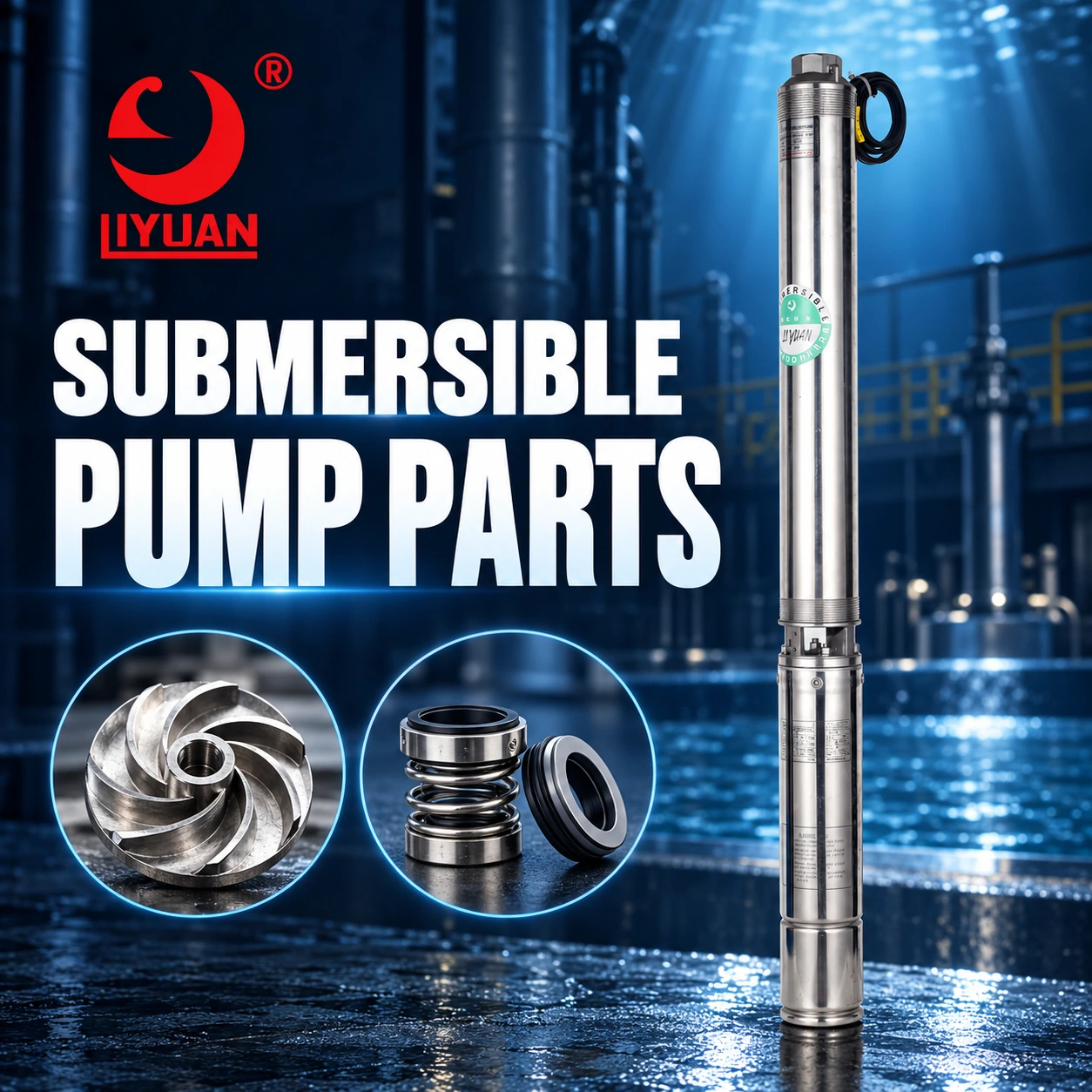
Submersible Pump, also known as an underwater pump, deep well pump, or borehole pump, is designed to operate while fully submerged in water or other liquids. The pump and Submersible Motor are sealed within a waterproof housing and installed directly inside a well, tank, or reservoir.
Instead of pulling water upward, the electric submersible pump system pushes water toward the surface through a discharge pipe.
Key Characteristics Of Submersible Pumps
Installed below the water level
Uses a sealed submersible motor
High hydraulic efficiency
Eliminates suction limitations
Suitable for deep wells and boreholes
Submersible pumps are widely used in deep well water supply, agricultural irrigation, groundwater extraction, municipal water systems, and industrial fluid transfer.
What Is Surface Pump (Above-Ground Water Pump)
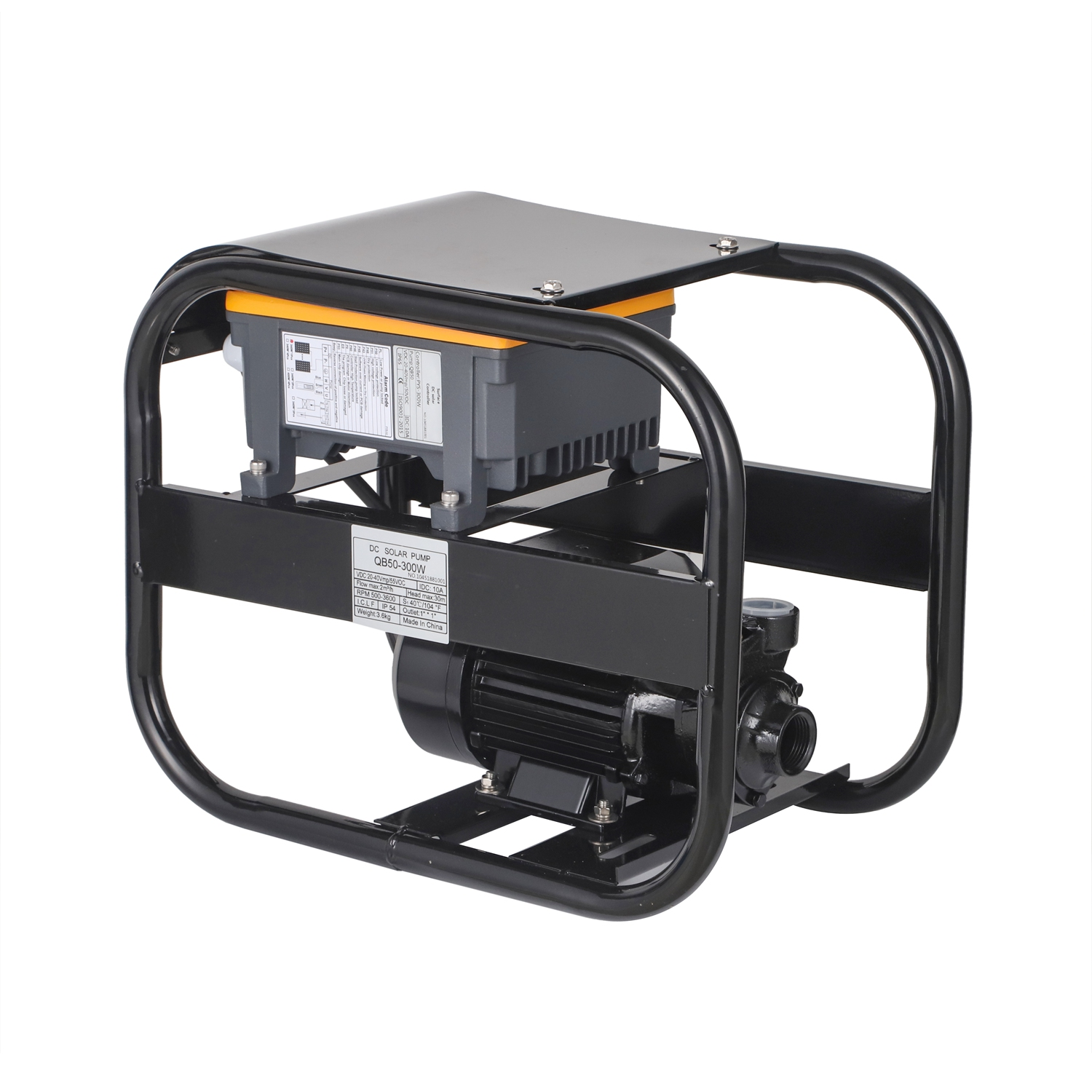
A Surface Pump, sometimes called a centrifugal pump, shallow well pump, or above-ground water pump, operates outside the water source. The pump remains on the surface and draws water through a suction pipe.
Surface pumps rely on suction pressure to lift water from a well, tank, or reservoir.
Key Characteristics Of Surface Pumps
Installed above the water source
Uses suction to lift water
Easier to access for maintenance
Lower installation cost
Suitable for shallow water sources
Surface pumps are commonly used for shallow wells, garden irrigation systems, water transfer applications, and domestic water supply systems.
Surface Pump Vs Submersible Pump: Key Differences
| Feature | Submersible Pump | Surface Pump |
|---|---|---|
| Installation Location | Installed underwater | Installed above ground |
| Operating Method | Pushes water upward | Pulls water through suction |
| Efficiency | Higher hydraulic efficiency | Lower efficiency in deep wells |
| Depth Capability | Ideal for deep wells and boreholes | Best for shallow water sources |
| Noise Level | Very quiet | Louder operation |
| Maintenance | Harder to access | Easier to repair |
| Cavitation Risk | Very low | Higher risk |
| Typical Applications | Deep wells, irrigation, municipal systems | Garden irrigation, shallow wells |
How Submersible Pumps Work In Deep Well Systems
In a Submersible Pump System, the submersible motor and pump assembly are placed directly inside the well. When electricity powers the motor, the impellers rotate and generate pressure that pushes water upward through the discharge pipe.
Because the pump operates underwater, it benefits from several advantages:
No suction limitations
Minimal cavitation risk
Natural cooling from surrounding water
Higher energy efficiency
For this reason, deep well submersible pumps and borehole pumps are widely used in agricultural irrigation, groundwater extraction, and municipal water supply systems.
How Surface Pumps Operate
Surface pumps rely on atmospheric pressure and suction to draw water upward through a pipe. The pump impeller creates negative pressure that lifts water from the source.
However, physics limits suction lift to approximately 7–8 meters (about 25 feet) under ideal conditions. This limitation makes surface pumps unsuitable for deep wells.
Surface pumps perform best in applications such as:
Shallow wells
Water tanks
River water transfer
Garden irrigation systems
Advantages Of Submersible Pumps
Submersible pumps offer several performance benefits in demanding pumping environments.
Higher Efficiency
Because submersible pumps push water instead of pulling it, they experience less energy loss, making them more efficient for deep water extraction.
Suitable For Deep Wells
Submersible pumps can operate at depths of tens or even hundreds of meters, making them ideal for borehole pumping systems.
Quiet Operation
Since the pump is submerged, the surrounding water absorbs most of the noise.
Reduced Cavitation Risk
The pump operates under positive pressure, which minimizes cavitation damage and improves service life.
Advantages Of Surface Pumps
Surface pumps still remain popular due to several practical advantages.
Easier Maintenance
Since the pump stays above ground, technicians can inspect or repair the system without removing equipment from a well.
Lower Installation Cost
Surface pumps usually require simpler installation procedures, making them cost-effective for shallow water sources.
Suitable For Portable Systems
Many surface pumps are portable and used for temporary irrigation or construction site water transfer.
When To Choose A Submersible Pump
A submersible pump system is the best option when:
The water source is deep underground
A borehole or deep well is used
Continuous operation is required
High pumping efficiency is important
Noise reduction is necessary
Typical applications include:
Deep well water supply
Agricultural irrigation
Solar water pump systems
Municipal groundwater extraction
Industrial water transfer
When To Choose A Surface Pump
A surface water pump is suitable when:
The water source is shallow
Easy maintenance is required
The pump must remain portable
The system is used for temporary irrigation
Typical uses include:
Garden irrigation
Shallow wells
Water storage tanks
Construction water pumping
Choosing The Right Pump For Your Application
Selecting the correct pumping system requires evaluating several engineering factors.
Water Source Depth
Shallow water (< 7 m) → Surface pump
Deep wells (> 7 m) → Submersible pump
Flow Rate Requirement
Determine the required water flow rate (GPM or m³/h) for irrigation or water supply.
Pump Head Requirement
Evaluate the total dynamic head needed to transport water from the source to the destination.
Power Supply
Ensure compatibility with available energy sources, including:
Electric grid power
Solar water pump systems
Generator power
Conclusion
Both submersible pumps and surface pumps play essential roles in modern water pumping systems. Surface pumps provide a simple and economical solution for shallow water sources, while submersible pumps deliver superior efficiency and reliability for deep wells and demanding pumping environments.
For applications such as deep borehole pumping, agricultural irrigation, and groundwater extraction, a submersible pump system combined with a high-performance submersible motor usually offers the best long-term performance and energy efficiency.
Understanding the operational differences between submersible pumps, deep well pumps, borehole pumps, and surface centrifugal pumps ensures that engineers and buyers select the most reliable pumping solution for their specific project requirements.
 Request Finish Swatches & Project Pricing
 Request Finish Swatches & Project Pricing
 For export quotations, bulk orders, or project cooperation, Get in Touch with our sales team.
Email:Liyuan@liyuan-pump.com
WhatsApp:+86 181-2828-2767