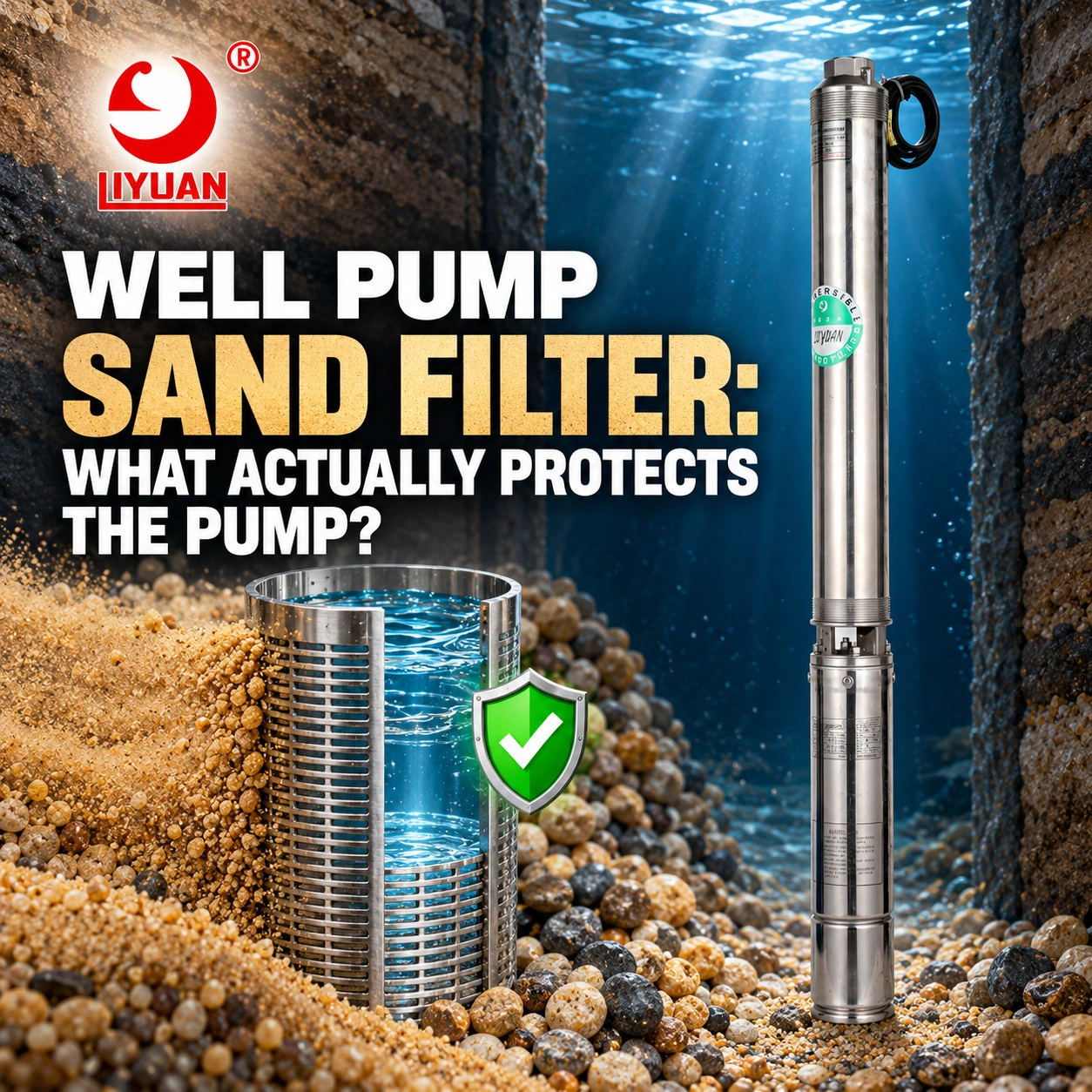
Submersible Pump Works By Operating Completely Under The Water Surface And Pushing Water Upward Through A Pipe Instead Of Pulling It From Above Ground. This Underwater Design Makes It One Of The Most Efficient Pumping Solutions For Deep Wells, Boreholes, Irrigation Systems, Sump Drainage, And Many Other Water Transfer Applications. When Buyers Ask What Is Submersible Pump, What Is A Submersible, Or How Does A Submersible Work, They Usually Want To Understand Why This Pump Type Performs So Well In Deep And Demanding Conditions. The Simple Answer Is That A Submersible Pump Combines A Sealed Motor And A Pump End In One Compact Unit That Runs Below The Water Level, Which Helps Improve Efficiency, Reduce Priming Problems, And Deliver More Reliable Flow In Many Submersible Water Systems.
What Is A Submersible Pump?
A Submersible Pump Is A Sealed Electric Pump Designed To Work While Fully Immersed In Liquid. In Most Water Supply Applications, The Pump Sits Below The Water Level Inside A Well, Tank, Sump, Or Reservoir. Because The Motor And Pump Are Both Underwater, The Unit Pushes Water Toward The Surface Rather Than Relying On Suction Lift Like A Surface Pump.
This Design Is Why Searches Such As What Is Submersible Pump, What Is A Submersible, Submersible Water Pump, Underwater Pump, Electric Submersible Pump, Deep Well Pump, And Borehole Pump Are So Common. Although The Names May Vary, The Main Idea Stays The Same: A Pump That Operates In The Liquid It Moves.
How Does A Submersible Pump Work?
To Understand How Does A Submersible Pump Work, It Helps To Look At The Basic Process. First, The Sealed Electric Motor Starts Running Underwater. That Motor Turns A Shaft Connected To Impellers Or Pump Stages Inside The Pump End. As The Impellers Spin, They Create Pressure That Forces Water Into The Pump Inlet And Then Pushes It Up Through The Discharge Pipe.
This Means A Submersible Pump Does Not Need To Pull Water Up From A Distance. Instead, It Pushes Water From Below, Which Makes The Pump More Effective In Deep Well And High Head Applications. This Is Also The Best Way To Answer The Question How Does A Submersible Work In Simple Terms: The Motor Spins The Pump, The Pump Builds Pressure, And The Water Moves Upward To Where It Is Needed.
Why A Submersible Pump Is Different From A Surface Pump
A Surface Pump Usually Stays Above Ground And Uses Suction To Draw Water Up Through A Pipe. That Method Works In Some Shallow Water Applications, But It Has Lifting Limits And Often Requires Priming Before Operation. A Submersible Pump, By Contrast, Works Directly In The Water And Pushes The Water Out With Pressure.
Because Of This, A Submersible Pump Often Delivers Better Efficiency, More Stable Operation, And Fewer Priming Issues. It Also Runs More Quietly Because The Motor Is Underwater. For Deep Well Water Systems, Borehole Water Supply, And Many Drainage Installations, This Makes The Submersible Design A More Practical Choice.
Main Parts Of A Submersible Pump
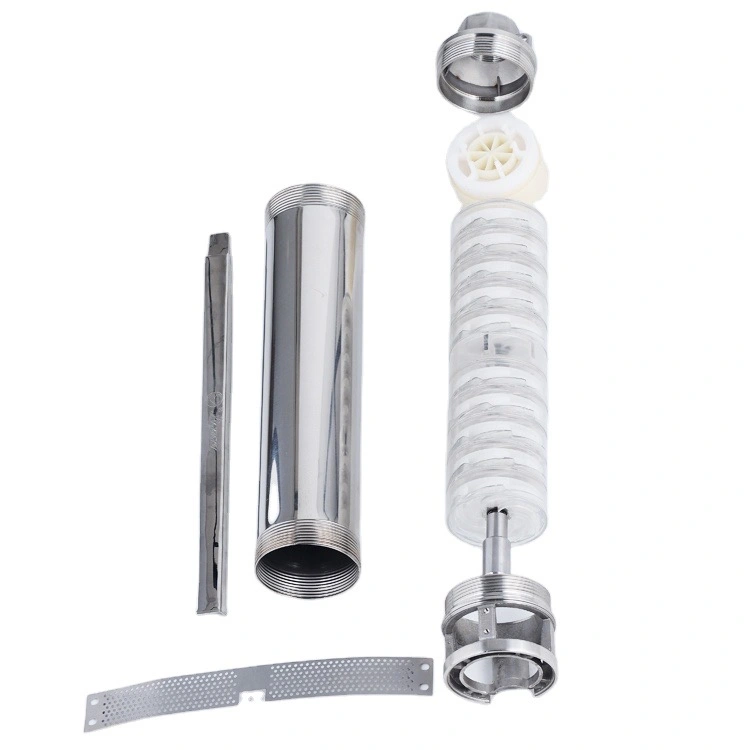
A Typical Submersible Pump Includes Several Important Components. The Sealed Motor Provides The Power. The Pump End Contains Impellers Or Pump Stages That Move The Water. The Inlet Allows Water To Enter The Pump. The Outlet Or Discharge Connection Sends Water Into The Delivery Pipe. The Cable Supplies Electricity To The Motor, While Seals Protect The Internal Parts From Water Damage.
In Deep Well Applications, The Pump May Also Work With Check Valves, Control Boxes, Motor Protection Devices, And Pressure Control Systems. Each Part Helps The Submersible Pump Deliver Reliable Performance In Residential, Agricultural, Commercial, And Industrial Water Systems.
Why Submersible Pumps Are So Efficient
One Reason A Submersible Pump Performs Well Is That It Pushes Water Instead Of Pulling It. Pushing Water From Below Reduces Many Of The Energy Losses Associated With Suction Lift. Another Benefit Is That The Pump Usually Stays Close To The Water Source, Which Supports Better Hydraulic Efficiency.
The Surrounding Liquid Also Helps Cool The Motor In Many Designs. This Cooling Effect Supports Stable Performance During Continuous Use. That Is Why A Submersible Pump Is Commonly Used In Deep Water Extraction, Clean Water Transfer, Irrigation, Groundwater Pumping, And Other High-Demand Applications Where Reliable Performance Matters.
Common Applications Of A Submersible Pump
A Submersible Pump Is Used In Many Types Of Water Systems. Residential Wells, It Supplies Water For Drinking, Washing, Bathing, And Irrigation. In Agriculture, It Supports Farm Irrigation, Sprinkler Systems, And Livestock Water Supply. In Industrial And Commercial Projects, It Helps With Groundwater Extraction, Water Transfer, Cooling Water Supply, And Pressure Support.
Other Applications Include Sump Drainage, Dewatering, Sewage Handling, Stormwater Removal, Fountain Systems, And Water Tank Transfer. Because Different Designs Exist For Different Liquids, The Term Submersible Pump Can Cover Clean Water Pumps, Deep Well Pumps, Drainage Pumps, Sewage Pumps, And Electric Submersible Pumps Used In Specialized Industries.
How A Deep Well Submersible Pump Works
In A Water Well System, A Submersible Pump Is Installed Deep Inside The Well Below The Dynamic Water Level. When The Motor Starts, The Pump Stages Build Pressure And Lift Water Through The Rising Main Or Delivery Pipe To The Surface. From There, The Water May Enter A Pressure Tank, Irrigation Line, Storage Tank, Or Distribution System.
This Setup Explains Why Long-Tail Searches Like How Does A Deep Well Submersible Pump Work, How Does A Water Well Pump Work, And How Does A Borehole Pump Work Are So Popular. In Each Case, The Principle Is The Same: The Pump Stays Underwater And Pushes Water Upward With Pressure Created By Rotating Impellers.
Key Benefits Of A Submersible Pump
A Submersible Pump Offers Several Important Advantages. Usually Delivers Better Efficiency In Deep Water Applications. Reduces Priming Problems Because The Pump Stays In The Water. It Often Runs More Quietly Than A Surface Pump. It Also Helps Save Space Above Ground Because The Pump Is Installed Downhole, In A Sump, Or In A Tank.
In Addition, A Well-Designed Submersible Pump Can Provide Stable Water Flow, Reliable Pressure, And Good Long-Term Performance. For Many Users, These Benefits Make It A Strong Choice For Well Water Systems, Irrigation Pumps, Drainage Pumps, And Compact Water Transfer Solutions.
Things That Affect Submersible Pump Performance
Several Factors Influence How Well A Submersible Pump Works. These Include Pump Size, Motor Power, Flow Rate, Head Requirement, Water Depth, Pipe Diameter, Voltage Stability, And Water Quality. If The Pump Is Too Small, It May Not Deliver Enough Pressure Or Flow. If It Is Too Large, It May Waste Energy Or Create Unnecessary Wear.
Proper Installation Also Matters. The Pump Should Match The Well Or Tank Conditions, The Power Supply Should Be Stable, And The Control System Should Protect The Motor From Dry Running, Overload, Or Voltage Problems. When These Factors Are Correct, A Submersible Pump Can Deliver Excellent Performance For Many Years.
Common Questions About Submersible Pumps
People Often Search For Related Questions Such As What Is Submersible Pump, What Is A Submersible, How Does A Submersible Work, How Does A Submersible Pump Push Water To The Surface, What Is A Submersible Water Pump Used For, And How Does An Underwater Pump Operate. These Questions All Focus On The Same Basic Idea: A Sealed Pumping Unit That Works Underwater To Move Water Efficiently From One Place To Another.
Understanding These Basics Helps Buyers Choose The Right Pump For A Water Well, Borehole, Sump Pit, Irrigation Project, Or Water Transfer System.
Conclusion
If You Want A Clear Answer To How Does A Submersible Pump Work, The Best Explanation Is This: A Submersible Pump Uses A Sealed Motor And Rotating Impellers To Push Water Upward While Operating Fully Underwater. This Design Makes It Highly Effective For Deep Wells, Boreholes, Irrigation Systems, Drainage Projects, And Many Other Submersible Water Applications. Whether You Search What Is Submersible Pump, What Is A Submersible, Or How Does A Submersible Work, The Core Principle Remains The Same. A Submersible Pump Works Below The Water Level, Builds Pressure Efficiently, And Delivers Reliable Water Movement In A Wide Range Of Modern Pumping Systems.
 Request Finish Swatches & Project Pricing
 Request Finish Swatches & Project Pricing
 For export quotations, bulk orders, or project cooperation, Get in Touch with our sales team.
Email:Liyuan@liyuan-pump.com
WhatsApp:+86 181-2828-2767