What Is a Submersible Pump? Definition, Working Principle, Applications, and Benefits
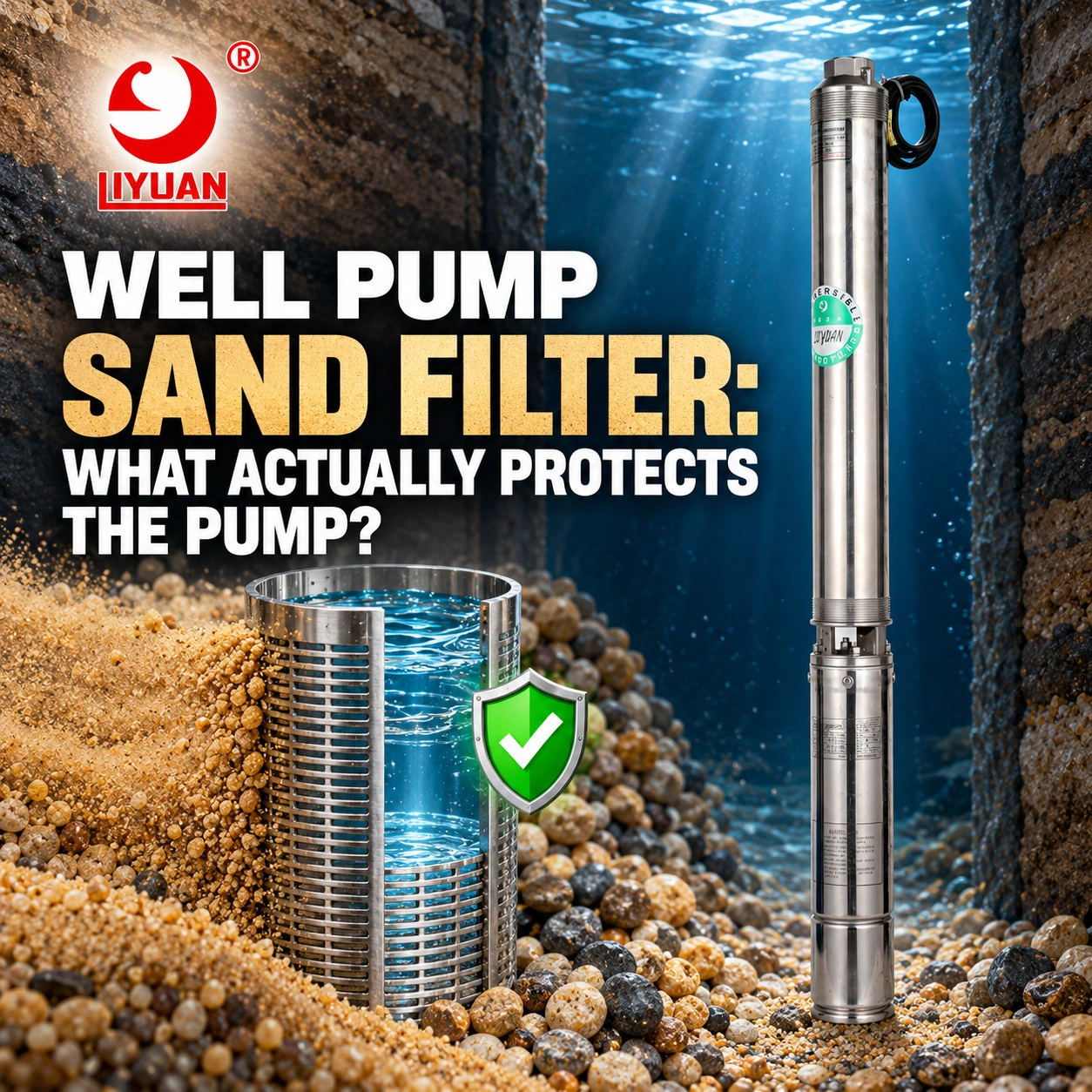
A submersible pump is a type of pump specifically engineered to operate while fully submerged in the fluid it is designed to transport. Unlike surface-mounted pumps that rely on suction, a submersible pump pushes fluid upward from below the liquid level, making it highly efficient and reliable in deep or flooded environments.
Submersible pumps are widely used to handle clean water, wastewater, slurry, sewage, and industrial fluids, and they play a critical role in residential, agricultural, municipal, and industrial systems.
How Does a Submersible Pump Work?
The working principle of a submersible pump is based on direct fluid displacement rather than suction.
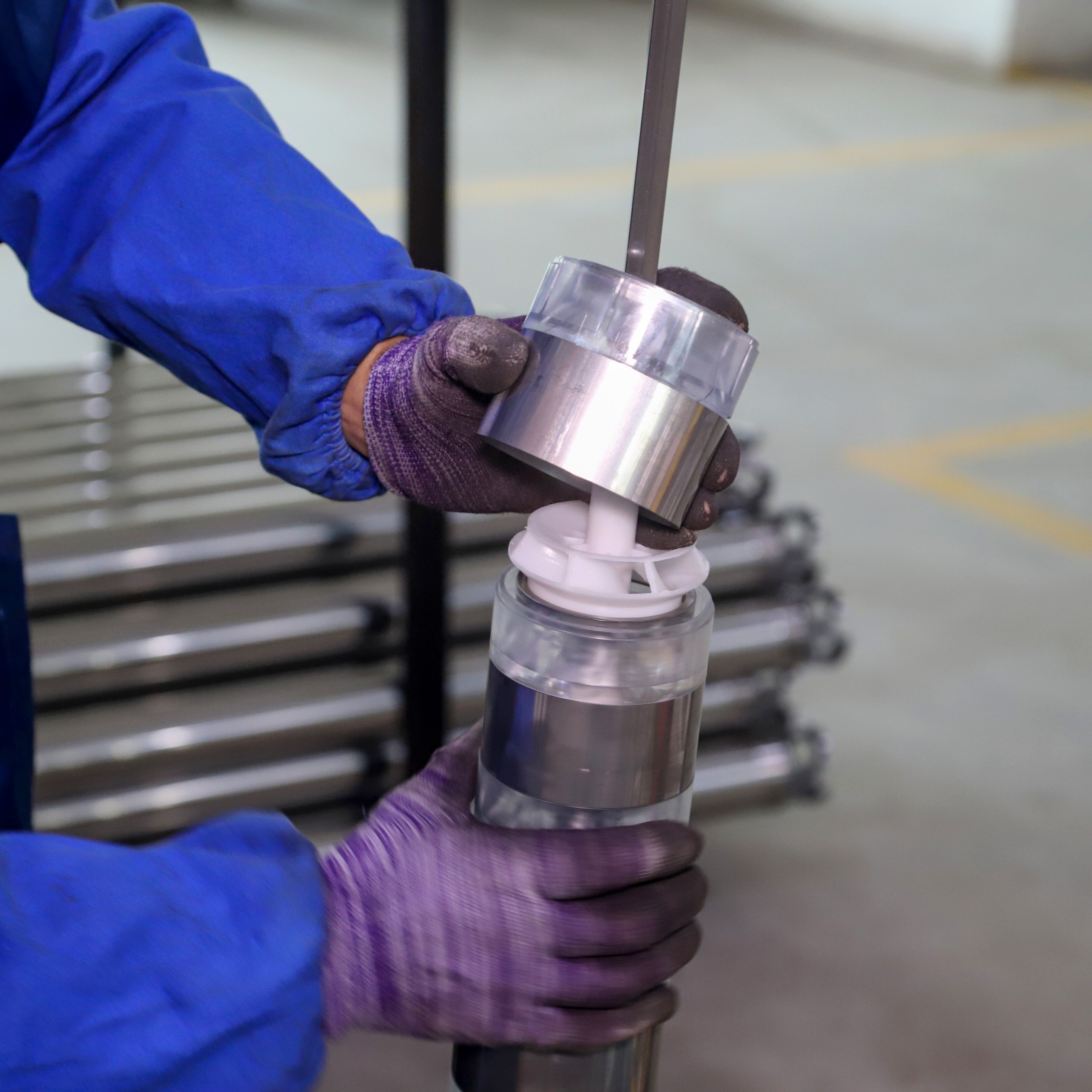
The pump and motor are combined into a single, sealed unit.
When powered on, the motor drives the impeller.
The impeller increases the fluid’s velocity and pressure.
Fluid is pushed upward through the discharge pipe to the surface.
Because the pump operates below the water level, priming is not required, and suction-related issues such as air locking or cavitation are effectively eliminated.
Key Characteristics of Submersible Pumps
Submersible pumps feature a fully submerged, hermetically sealed design that enables continuous underwater operation while preventing water ingress and protecting internal electrical components from short circuits and corrosion. Most submersible motors adopt oil-filled or water-filled structures, allowing the surrounding fluid to naturally dissipate heat, effectively reducing overheating and extending service life. To meet different application needs, these pumps utilize single-stage impellers for clean water transfer, multi-stage impellers for high-head deep well pumping, and vortex, channel, or grinder impellers for handling sewage and slurry with solids. Additionally, submersible pumps use durable materials—stainless steel for corrosion resistance, cast iron for heavy-duty wear, and thermoplastics for lightweight chemical protection.
Types of Submersible Pumps
Sewage submersible pumps
Submersible slurry pumps
Drainage and dewatering pumps
Industrial submersible pumps
Each type targets specific flow rates, head requirements, and fluid conditions.
Applications of Submersible Pumps
Water Supply and Wastewater Management
Submersible pumps are extensively used in:
Municipal water treatment plants
Sewage lifting stations
Stormwater and drainage systems
Agricultural Irrigation and Deep Well Pumping
Submersible pumps are widely used across multiple sectors due to their reliable underwater performance. In water supply and wastewater management, they support municipal water treatment plants, sewage lifting stations, and stormwater drainage systems. In agricultural irrigation and deep well pumping, deep well submersible pumps deliver stable pressure, continuous operation, and efficient irrigation even in deep or narrow boreholes. They are also essential for construction and mining dewatering, where accumulated groundwater must be removed from construction sites, tunnels, mines, and quarries. In industrial environments such as oil & gas, chemical processing, food and beverage, and power generation, submersible pumps ensure dependable fluid transfer under demanding conditions. Additionally, in residential settings, they are commonly used for well water supply, sump pumping, and fountain or pond circulation systems.
Advantages of Submersible Pumps
High Efficiency: Direct immersion eliminates suction losses
No Priming Required: Immediate startup and stable operation
Reduced Noise: Quiet operation due to underwater placement
Compact Installation: No need for a separate pump house
Minimal Cavitation Risk: Positive inlet pressure prevents vapor formation
Disadvantages and Considerations
Maintenance Access: Pumps require removal from the fluid for servicing
Seal Wear Over Time: Mechanical seals require periodic inspection
Higher Initial Cost: Often higher than surface pumps, but offset by energy savings and durability
Submersible Pump vs Surface Pump
| Feature | Submersible Pump | Surface Pump |
|---|---|---|
| Installation | Underwater | Above ground |
| Priming Required | No | Yes |
| Efficiency in Deep Wells | High | Low |
| Cavitation Risk | Minimal | Higher |
How to Choose the Right Submersible Pump
When selecting a submersible pump, consider:
Required flow rate and total dynamic head
Fluid type (clean water, slurry, sewage)
Solid content and particle size
Installation depth and borehole diameter
Power supply and energy efficiency requirements
Conclusion
Submersible pumps offer a highly efficient and reliable solution for fluid transfer in deep, submerged, or challenging environments. Their sealed design, superior efficiency, and wide range of applications make them indispensable across residential, agricultural, municipal, and industrial sectors.
When properly selected and consistently maintained, a submersible pump not only delivers reliable long-term performance, but also helps significantly reduce operational costs. As a result, it provides stable and dependable operation, particularly in applications where traditional surface pumps often fall short.