Motor Pump Is One Of The Most Important Pieces Of Equipment In Modern Water Transfer And Fluid Handling Systems. It Combines A Pump Motor And A Pump Body Into One Working Unit That Moves Water Or Other Liquids Efficiently From One Place To Another. In Homes, Farms, Commercial Buildings, And Industrial Sites, A Reliable Motor Driven Pump Helps Maintain Stable Flow, Consistent Pressure, And Long-Term System Performance.
Today, Buyers Often Search For A Wide Range Of Related Terms Such As Electric Water Pump, Electric Motor Pump, Water Pump Motor, Water Transfer Pump, Industrial Water Pump, Irrigation Water Pump, High Pressure Water Pump, And Pump And Motor Unit. Although These Terms May Vary By Application, They All Reflect The Same Core Need: A Dependable Pumping Solution That Matches Flow, Head, Installation Conditions, And Energy Requirements.
What Is A Motor Pump?
A Motor Pump Is A Pumping System Powered By An Electric Motor Or Other Motor Source. The Motor Generates Mechanical Energy, And The Pump Converts That Energy Into Fluid Movement. In Simple Terms, The Water Pump Motor Drives The Impeller Or Internal Pumping Mechanism, Allowing Water To Move Through Pipes, Tanks, Wells, Or Processing Lines.
Depending On The Design, A Motor Pump May Be Used As A Centrifugal Water Pump, Submersible Pump, Booster Pump, Deep Well Pump, Drainage Pump, Or Sewage Pump. Some Systems Are Installed Above Ground, While Others Operate Underwater Or In Enclosed Pipelines. This Flexibility Makes The Electric Pump A Core Product In Residential, Agricultural, And Industrial Applications.
How A Motor Pump Works
A Motor Pump Works By Converting Electrical Energy Into Mechanical Rotation And Then Into Hydraulic Force. Once Power Reaches The Motor, The Shaft Begins To Turn. That Rotation Drives The Impeller Or Pumping Component Inside The Pump Body. As The Liquid Enters The Pump, It Gains Velocity And Pressure, Then Moves Through The Outlet To The Target Location.
In A Centrifugal Pump, The Rotating Impeller Pushes Water Outward To Create Flow And Pressure. In A Positive Displacement Pump, The Liquid Is Moved In Fixed Volumes Through Internal Chambers. No Matter Which Design Is Used, The Goal Of A Motor Pump Is The Same: Reliable And Efficient Liquid Transfer.
Main Types Of Motor Pumps
Different Applications Require Different Types Of Motor Pump Products. Understanding These Categories Helps Buyers Choose A Pump That Fits The Real Working Environment.
Centrifugal Motor Pump
A Centrifugal Motor Pump Is One Of The Most Common Options For Clean Water Delivery. It Is Widely Used As A Water Circulation Pump, Pressure Pump, Transfer Pump, And Booster Water Pump In Homes, Buildings, Irrigation Networks, And General Utility Systems. It Offers A Simple Structure, Stable Operation, And Broad Flow Capacity.
Submersible Motor Pump
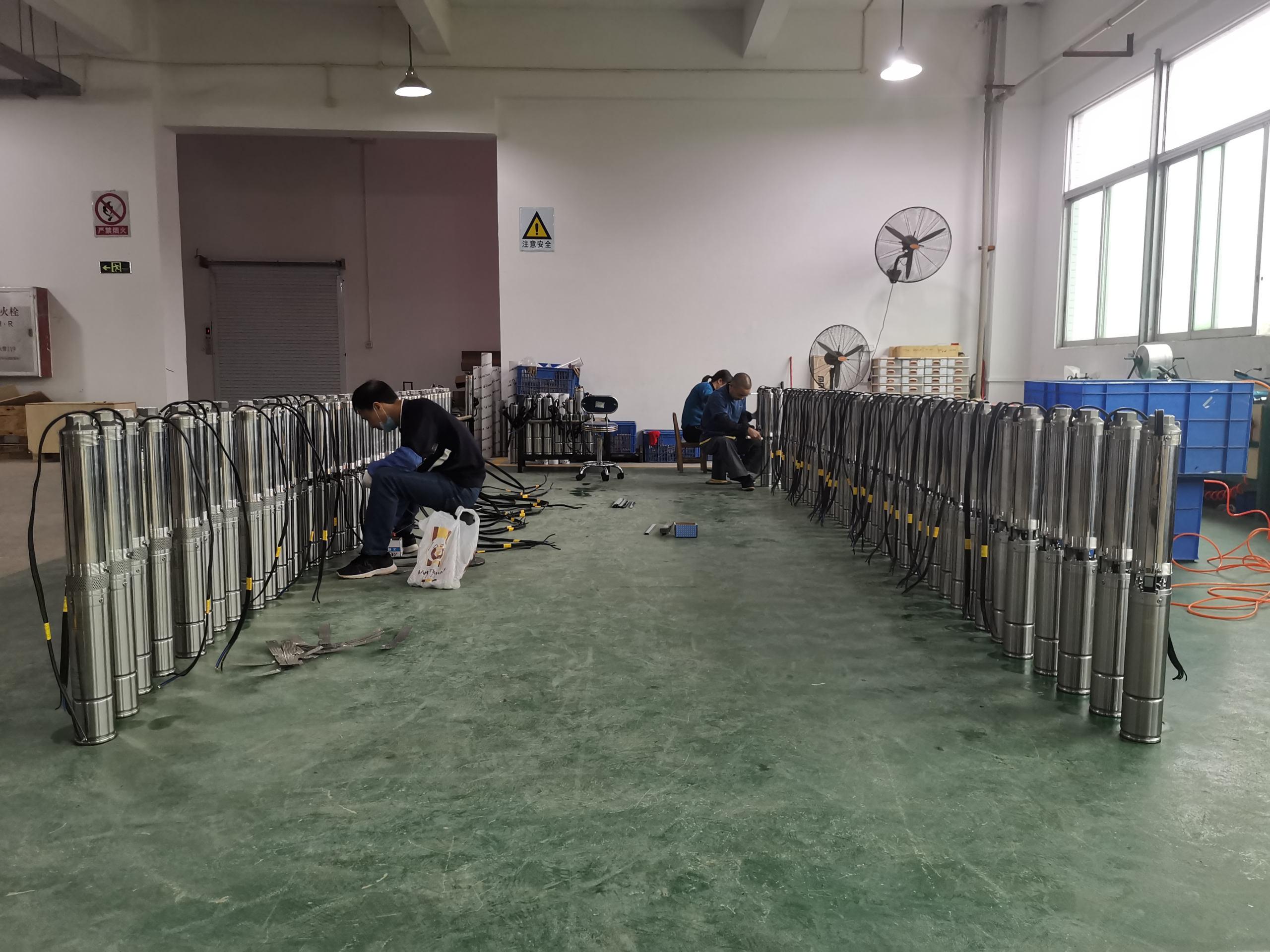
A Submersible Motor Pump Is Designed To Operate Underwater. This Type Of Submersible Water Pump Is Commonly Used In Wells, Boreholes, Sumps, Fountains, And Drainage Applications. Because The Pump And Motor Are Sealed Together, It Can Deliver Efficient Performance With Lower Noise And Better Deep-Water Capability.
Deep Well Motor Pump
A Deep Well Motor Pump Is Built For Underground Water Extraction. It Is Often Used As A Borehole Pump, Well Water Pump, Or Deep Well Submersible Pump In Residential Water Supply, Farm Irrigation, And Commercial Water Systems. This Type Is Best For Sites That Need Strong Vertical Lift And Steady Water Delivery.
Booster Motor Pump
A Booster Motor Pump Is Used To Increase Water Pressure In Pipelines, Buildings, Hotels, Bathrooms, And Commercial Facilities. A Pressure Booster Pump Is Especially Useful In Systems Where Water Supply Exists But Natural Pressure Is Too Low For Daily Use.
Sewage And Drainage Motor Pump
A Drainage Motor Pump Or Sewage Water Pump Handles Dirty Water, Wastewater, Floodwater, Or Liquid With Solids. These Pumps Are Common In Basements, Construction Sites, Municipal Systems, Septic Tanks, And Industrial Wastewater Applications.
Solar Motor Pump
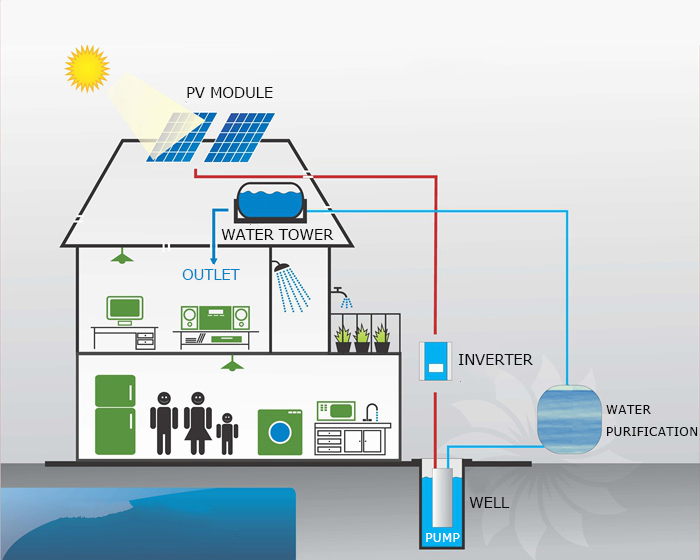
A Solar Motor Pump Uses Solar Energy To Operate. It Is Also Known In Some Markets As A Solar Water Pump, Solar Irrigation Pump, Or Solar Powered Pump System. This Type Is Popular In Farms, Rural Areas, And Off-Grid Projects Where Energy Efficiency And Independence Matter.
Common Applications Of Motor Pumps
A Motor Pump Is Used In Many Industries And Daily Water Systems Because Water Movement Is Essential In So Many Environments.
Residential Water Supply
In Homes, A Motor Pumps Can Serve As A Domestic Water Pump, Household Water Pump, Or Home Pressure Pump. It Delivers Water From Tanks, Wells, Or City Supply Lines To Kitchens, Bathrooms, Gardens, And Laundry Systems.
Agricultural Irrigation
In Farming, A Motor Pump Is A Key Part Of Irrigation Infrastructure. A Good Irrigation Water Pump Can Move Water From Wells, Rivers, Reservoirs, Or Canals To Crops, Orchards, Greenhouses, And Livestock Areas. In These Settings, Buyers Often Also Look For Terms Like Farm Pump, Agricultural Water Pump, And Irrigation Pump System.
Industrial Water Transfer
Factories And Processing Plants Use Industrial Motor Pump Solutions For Cooling Water, Production Lines, Cleaning Systems, Pressure Supply, And Utility Circulation. In Heavy-Duty Environments, A Durable Industrial Pump With Reliable Motor Protection Is Essential For Continuous Operation.
Commercial Pressure Systems
Hotels, Office Buildings, Hospitals, And Shopping Centers Often Depend On A Booster Pump System Or Commercial Water Pump To Maintain Stable Pressure Across Multiple Floors Or High-Demand Usage Periods.
Drainage And Wastewater Handling
For Flood Control, Site Dewatering, Basement Drainage, And Wastewater Removal, A Drainage Pump Or Dewatering Pump Can Protect Equipment, Buildings, And Ground Conditions. These Systems Need Strong Reliability In Wet Or Dirty Environments.
Fountain And Landscape Features
A Small Motors Pump Can Also Be Used As A Fountain Pump, Landscape Water Pump, Or Pond Circulation Pump. In Decorative Water Systems, Quiet Operation And Continuous Flow Are Often Important Buying Factors.
Key Benefits Of Using A Motor Pump
A Quality Motor Pumps Delivers More Than Basic Water Movement. It Improves Overall System Efficiency And Helps Users Maintain Stable Operation Over Time.
Efficient Fluid Transfer
A Properly Selected Motor Pumps Can Deliver Smooth And Efficient Liquid Movement With Better Flow Control And More Stable Pressure.
Wide Product Variety
From A Mini Water Pump To A Heavy-Duty Industrial Water Pump, The Market Offers Many Sizes, Materials, Power Options, And Design Types To Match Different Needs.
Reliable Performance
A Good Electric Motor Pump Can Work For Long Periods With Stable Output When It Is Correctly Matched To Head, Flow Rate, And Liquid Conditions.
Easy Integration
Many Motor Pumps Models Can Be Connected Easily To Tanks, Pipelines, Pressure Switches, Control Panels, Variable Frequency Drives, And Automation Systems.
Strong Application Flexibility
Whether The Job Requires A Clean Water Pumps, High Pressure Pumps, Submersible Well Pump, Booster Water Pump, Or Solar Pump, There Is Usually A Suitable Motors Pump Configuration Available.
How To Choose The Right Motor Pump
Choosing The Right Motor Pumps Requires A Clear Understanding Of The Real Application. A Good Match Improves Efficiency, While A Poor Match Can Lead To Pressure Loss, Excessive Energy Use, And Faster Wear.
Understand The Liquid Type
First, Confirm Whether The Pump Will Handle Clean Water, Dirty Water, Wastewater, Chemicals, Or Hot Liquid. Different Liquids Require Different Seals, Materials, And Pump Structures.
Check Flow Rate Requirements
Flow Rate Tells You How Much Water The Motor Pumps Must Move Within A Certain Time. A Small Residential System Usually Needs Less Capacity Than An Industrial Or Agricultural Setup.
Check Head And Pressure
Head Refers To The Vertical Distance Or Resistance The Pump Must Overcome. If Water Must Travel From A Deep Well Or Through A Long Pipe Network, The High Head Pump Or Pressure Pump Must Be Chosen Carefully.
Match The Power Supply
A Motor Pump May Run On Single-Phase Power, Three-Phase Power, DC Power, Or Solar Energy. The Available Power Source Should Match The Pump Design And Site Conditions.
Review Installation Conditions
A Submersible Pump For A Well Has Different Requirements Than A Surface-Mounted Centrifugal Water Pump In A Factory Or A Compact Booster Pump In A Building.
Consider Material Quality
Pump Body Material, Shaft Strength, Mechanical Seal Quality, And Motor Protection All Affect Service Life. Stainless Steel, Cast Iron, Bronze, And Engineering Plastics Are Common Material Choices In The Pump Industry.
Important Features To Look For In A Motor Pump
When Comparing A Motors Pump, Buyers Often Focus On Efficiency, Durability, And Protection Features. High Efficiency Helps Reduce Energy Costs. Corrosion Resistance Improves Long-Term Reliability. Thermal Protection Helps Prevent Overheating. Dry-Run Protection Reduces Damage When Water Supply Drops. Stable Pressure Output Supports Better System Performance.
For More Advanced Systems, Buyers May Also Look For Variable Speed Pump Compatibility, Automatic Pressure Control, Soft Start Functions, Low-Noise Design, And Integration With Smart Control Equipment.
Maintenance Tips For Longer Service Life
Proper Maintenance Helps A Motors Pumps Operate More Reliably Over Time. Regularly Check The Power Supply, Seals, Bearings, Pipe Connections, And Pump Chamber. Keep The Inlet Area Clean And Free From Heavy Debris. Watch For Signs Of Unusual Vibration, Pressure Drop, Overheating, Or Reduced Water Flow.
In Applications With Unstable Voltage, Poor Water Quality, Or Heavy Daily Use, Protection Devices And Routine Inspection Can Greatly Improve Pump Life. A Well-Maintained Motor Pumps Usually Performs Better And Requires Fewer Emergency Repairs.
Common Problems In Motor Pumps
Like Any Mechanical Equipment, A Motor Pumps Can Develop Performance Problems. Low Flow May Be Caused By Impeller Wear, Inlet Blockage, Air Leakage, Or Pipe Damage. Overheating May Result From Overload, Dry Running, Poor Ventilation, Or Incorrect Motor Matching. Pressure Loss May Point To Worn Components, System Leakage, Or Poor Pump Selection.
Most Of These Problems Can Be Reduced By Correct Sizing, Proper Installation, Good Material Choice, And Regular Maintenance.
Why Motor Pumps Matter In Modern Water Systems
A Motor Pumps Matters Because Modern Water Systems Depend On Reliable Fluid Movement. In homes, water pumps support daily water supply. On farms, they deliver water to crops and livestock. In residential and commercial buildings, they help maintain stable water pressure. In factories, they improve cooling, liquid transfer, and overall production efficiency. drainage systems, they help protect property from flooding and water damage.
As Demand Continues To Grow For Efficient, Durable, And Energy-Saving Equipment, The Motor Pumps Remains A Core Solution In Residential, Agricultural, Commercial, And Industrial Markets.
Conclusion
A Motor Pumps Is A Practical And Essential Solution For Water Supply, Irrigation, Drainage, Pressure Boosting, Industrial Transfer, And Many Other Fluid Handling Applications. By Combining A Motor And Pumps Into One Efficient Working Unit, It Provides Stable Performance, Flexible Installation, And Strong Long-Term Value.
Whether You Need A Submersible Water Pump, Deep Well Pump, Booster Water Pump, Industrial Water Pump, Agricultural Pump, Or Electric Water Pump For General Transfer, The Key Is To Match The Pump Type, Flow Rate, Pressure, Material, And Power Source To The Real Working Conditions. A Well-Chosen Motor Pumps Can Improve Efficiency, Reduce Maintenance, And Deliver More Reliable Results Across A Wide Range Of Applications.