Water Pump Plays An Essential Role In Moving Water From One Place To Another. It Is Used In Homes, Farms, Factories, Construction Sites, Wells, And Water Supply Systems. Among The Many Pump Types On The Market, The Submersible Pump Is One Of The Most Efficient And Reliable Options For Deep Water Lifting And Underwater Operation.
If You Work In The Submersible Pump Industry, Understanding The Relationship Between A Standard Water Pump And A Submersible Pump Can Help Customers Make Better Buying Decisions. It Can Also Help Distributors, Importers, And Project Buyers Choose The Right Pump For Different Applications.
What Is A Water Pump?
A Water Pump Is A Mechanical Device Designed To Transfer Water By Creating Flow And Pressure. It Can Be Used For Clean Water Supply, Irrigation, Drainage, Industrial Circulation, Groundwater Extraction, And Pressure Boosting.
Water Pumps Come In Many Forms, Including Centrifugal Pumps, Booster Pumps, Surface Pumps, Sewage Pumps, And Submersible Pumps. Each Type Is Designed For A Specific Working Environment And Performance Requirement.
What Is A Submersible Pump?
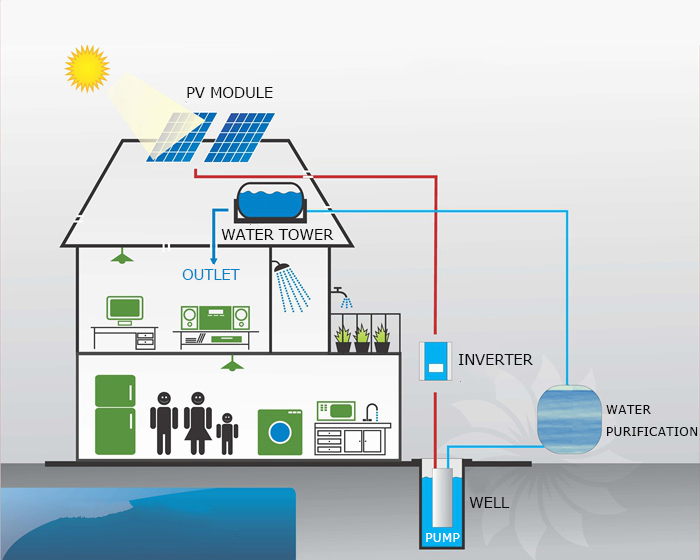
A Submersible Pump Is A Type Of Water Pump That Operates While Fully Submerged In Water. It Combines A Sealed Motor With A Pump Body, Allowing The Unit To Push Water Upward From Below The Surface. This Design Makes It Especially Suitable For Deep Wells, Boreholes, Reservoirs, Tanks, And Underground Water Systems.
A Submersible Water Pump Is Widely Used In Agricultural Irrigation, Residential Well Systems, Industrial Water Supply, Municipal Projects, And Groundwater Pumping. Because The Pump Works Underwater, It Usually Offers Stable Suction Conditions And Efficient Water Delivery.
Water Pump And Submersible Pump: What Is The Difference?
The Main Difference Between A General Water Pump And A Submersible Pump Is The Working Position.
A Traditional Surface Water Pump Is Installed Above Ground. It Pulls Water From The Source Through Suction. This Makes It Suitable For Shallow Wells, Tanks, And Short-Distance Water Transfer.
A Submersible Pump Is Installed Directly Inside The Water Source. It Pushes Water To The Surface Instead Of Pulling It. This Makes It A Better Choice For Deep Wells, Boreholes, And Applications Where Water Needs To Be Lifted From Significant Depth.
Another Key Difference Is Sealing And Motor Protection. A Submersible Pump Uses A Sealed Motor Structure Designed For Underwater Operation. This Helps Protect The Motor From Water Ingress And Supports Long-Term Submerged Use.
Advantages Of A Submersible Pump
For Many Buyers, A Submersible Pump Offers Several Important Benefits Over Other Water Pump Types.
Higher Efficiency In Deep Wells
A Deep Well Submersible Pump Works Closer To The Water Source, So It Can Push Water Upward More Effectively. This Makes It Ideal For Deep Groundwater Extraction And Borehole Installations.
Stable Operation
Because The Pump Is Underwater, It Usually Avoids Many Suction Problems Associated With Surface Pumps. This Helps Improve Operational Stability.
Space-Saving Design
A Submersible Pump Is Installed Inside The Well Or Tank, So It Does Not Require As Much Surface Installation Space. This Is Useful For Compact Projects And Underground Water Systems.
Lower Noise
Since The Pump Operates Underwater, Noise Levels Are Generally Lower Than With Many Above-Ground Pumps.
Wide Application Range
Submersible Pumps Can Be Used For Residential Water Supply, Agricultural Irrigation, Industrial Pumping, Drainage, And Commercial Water Systems.
Common Applications Of Water Pumps And Submersible Pumps
Water Pumps And Submersible Pumps Are Both Essential In Modern Water Management. However, The Right Choice Depends On The Working Environment.
Residential Water Supply
Homes That Rely On Well Water Often Use Submersible Well Pumps To Deliver Water From Underground Sources. Surface Pumps May Still Be Used For Shallow Sources Or Boosting Systems.
Agricultural Irrigation
Farmers Need Reliable Pumps For Crop Irrigation, Greenhouse Watering, Livestock Systems, And Field Water Transfer. In Deep Agricultural Wells, Submersible Irrigation Pumps Are Often The Preferred Solution.
Industrial Water Transfer
Factories And Commercial Facilities Use Water Pumps For Cooling Systems, Processing Lines, Water Circulation, And Groundwater Supply. Industrial Submersible Pumps Are Often Chosen For Underground Water Lifting And Continuous-Duty Operation.
Municipal And Commercial Projects
Water Supply Stations, Community Wells, Landscape Systems, And Construction Water Projects Often Use Submersible Pumps For Efficient And Stable Performance.
How To Choose The Right Pump
Choosing Between A Standard Water Pump And A Submersible Pump Depends On Several Important Factors.
First, Check The Water Source Depth. If The Water Comes From A Deep Well Or Borehole, A Deep Well Submersible Pump Is Usually The Better Option.
Second, Calculate The Required Flow Rate And Total Head. A Pump Must Match The Project’s Water Demand And Lifting Height.
Third, Consider Water Quality. Clean Water Pumps, Sewage Pumps, And Stainless Steel Submersible Pumps Are Designed For Different Liquid Conditions.
Fourth, Confirm The Power Supply, Voltage, And Frequency Requirements. This Is Especially Important For Export Projects And International Buyers.
Finally, Review The Installation Environment. For Underground, Submerged, Or Narrow-Well Use, A Borehole Submersible Pump Is Often More Practical Than A Surface-Mounted Pump.
Why Submersible Pumps Are A Strong Market Choice
For Companies Specializing In Submersible Pumps, The Market Opportunity Remains Strong Because These Pumps Solve Real Problems In Water Extraction And Delivery. Buyers Want Efficient Deep Well Pumping, Reliable Borehole Performance, Durable Materials, And Long Service Life.
Submersible Pumps Are Especially Valuable In Areas Where Deep Groundwater Is The Main Water Source. They Are Also Popular In Irrigation Projects, Rural Water Supply, Industrial Water Systems, And Commercial Installations That Require Stable And Efficient Water Movement.
Because Of Their Compact Structure, Reliable Performance, And Wide Application Range, Submersible Pumps Continue To Be A Preferred Choice For Many Global Buyers.
Why Buyers Choose A Professional Submersible Pump Manufacturer
When Customers Buy A Pump, They Do Not Only Compare Prices. They Also Compare Product Quality, Motor Reliability, Material Strength, Efficiency, And Supplier Support.
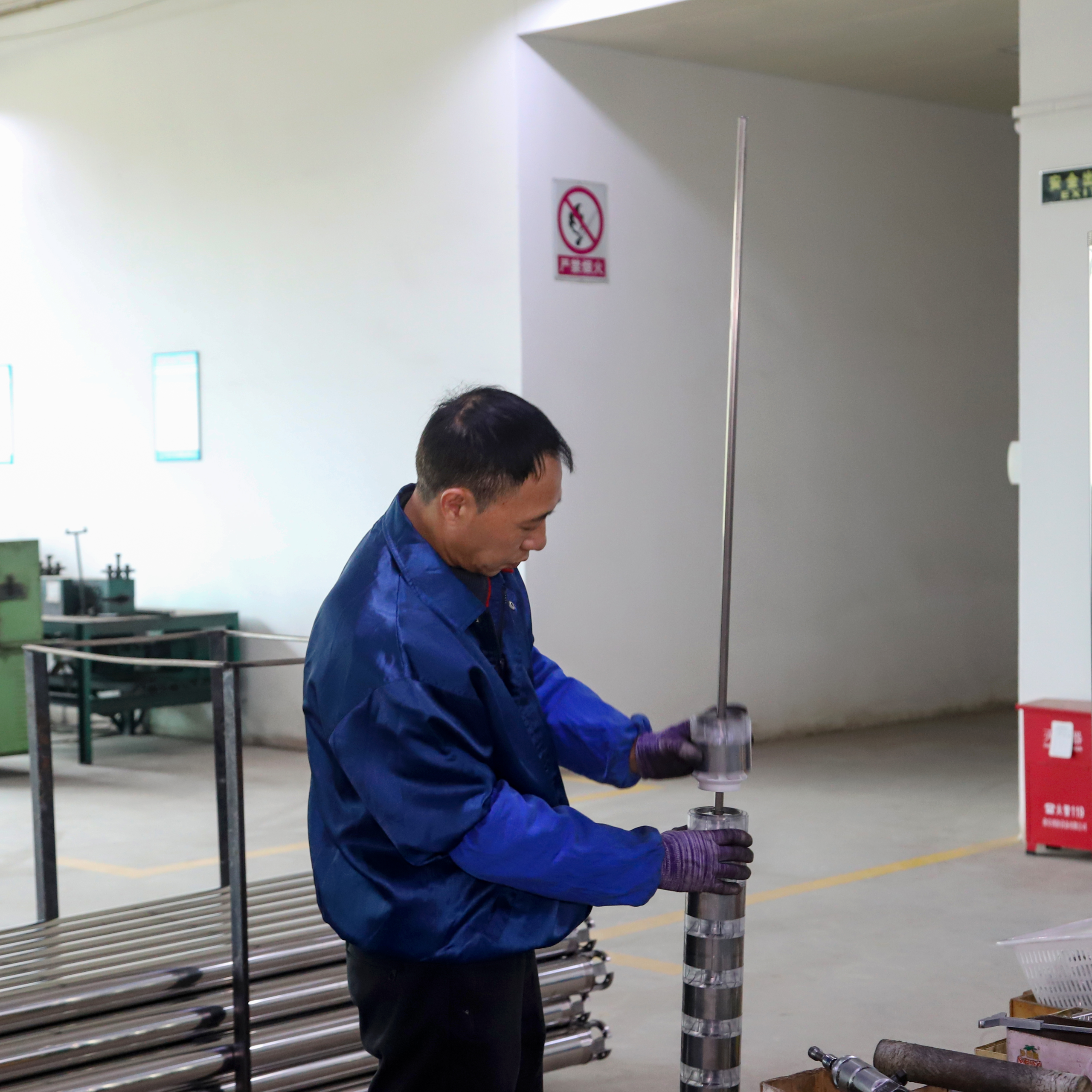
A Professional Submersible Pump Manufacturer Can Provide Deep Well Pump Solutions For Different Depths, Borehole Pump Options For Narrow Well Casings, Stainless Steel Submersible Pumps For Corrosion Resistance, And Irrigation Pump Systems For Agricultural Use.
For Global Buyers, Choosing A Trusted Submersible Pump Supplier Means Lower Risk, Better Product Consistency, And Stronger Long-Term Value.
Conclusion
A Water Pump Is A Broad Category That Includes Many Different Pump Types, While A Submersible Pump Is One Of The Most Important Solutions Within That Category. When Water Must Be Lifted From Deep Wells, Boreholes, Or Underwater Sources, A Submersible Pump Often Delivers Better Efficiency, Stable Performance, And A More Compact Installation.
For Companies Focused On Submersible Pumps, This Makes The Product Category Highly Attractive In Residential, Agricultural, Industrial, And Commercial Markets. A Clear And Professional Article About Water Pumps And Submersible Pumps Can Help Buyers Better Understand Product Value And Choose The Right Solution For Their Water Supply Needs.